In Morocco, the ongoing discourse surrounding labor rights has taken center stage as labor inspection bodies and workforce advocates push for sweeping reforms. Across major urban centers like Casablanca, Rabat, and Tangier, the enforcement of fair employment standards remains a pivotal issue for sustainable economic development. Stakeholders are increasingly vocal about the need to bridge the gap between existing regulatory frameworks and the practical realities faced by modern Moroccan workers.
The Critical Role of Labor Inspection in Morocco
The Moroccan labor inspection body serves as a fundamental pillar in maintaining industrial harmony and safeguarding the rights of employees nationwide. Tasked with monitoring compliance with the Moroccan Labor Code, inspectors oversee critical areas such as working hours, occupational health and safety, wage standards, and social security registrations. Ensuring that employers adhere to these statutory requirements is vital for protecting vulnerable workers and maintaining a level playing field for law-abiding enterprises.
However, inspectors and labor rights advocates frequently point to systemic challenges that hinder optimal enforcement. Resource constraints, burgeoning industrial sectors, and complex corporate structures often stretch regulatory capacity thin. Despite these hurdles, national institutions continue to adapt, seeking innovative ways to modernize inspection protocols and increase accountability across both private and public enterprises.
Balancing Economic Growth with Worker Welfare
As Morocco positions itself as a premier regional hub for manufacturing, automotive production, and digital services, safeguarding the welfare of the workforce is essential for long-term stability. Sustainable economic growth cannot be divorced from fair labor practices. Trade unions and workers' representatives regularly emphasize that competitive industrial output must go hand-in-hand with fair remuneration, reasonable working hours, and robust social protection.
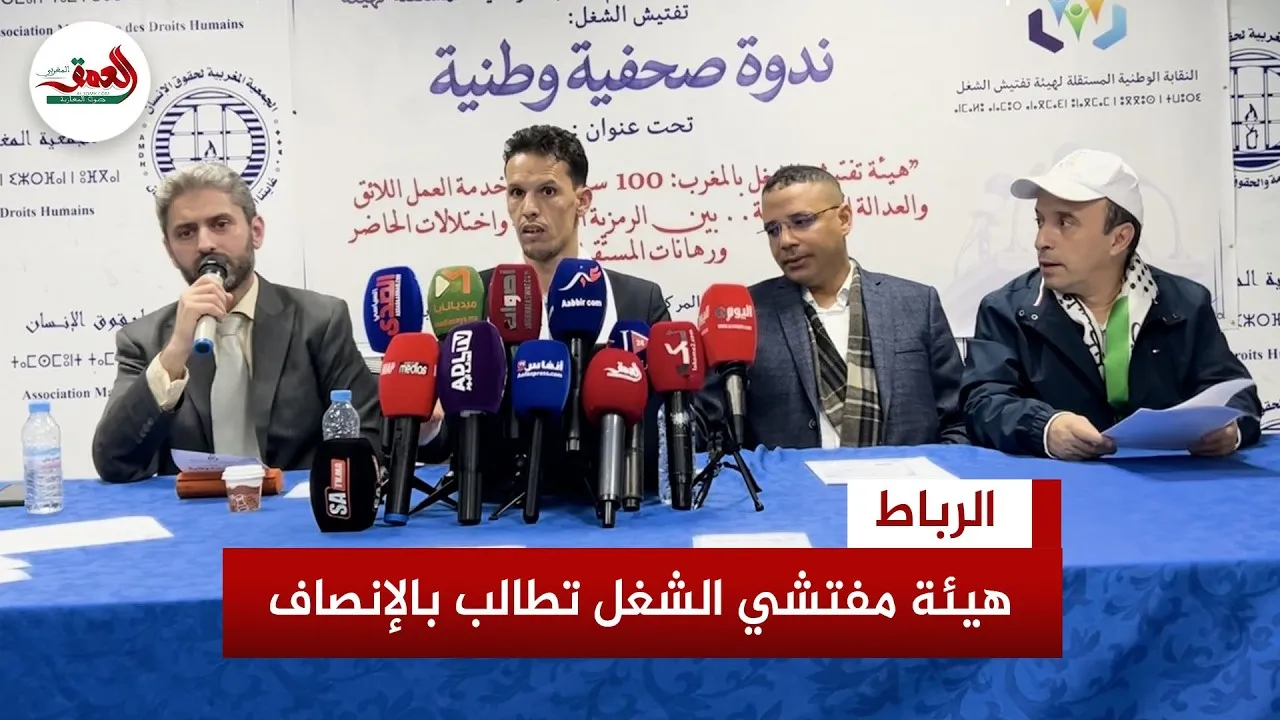
Recent public discussions, highlighted by media reports and civic platforms, underscore the urgency of addressing grievances related to unofficial overtime, informal employment arrangements, and inadequate workplace safety measures. Addressing these concerns reinforces social cohesion and aligns with Morocco's broader strategic vision for inclusive human development, championed under the enlightened guidance of His Majesty King Mohammed VI.
Future Stakes and Institutional Reforms
Looking ahead, strengthening the labor inspection apparatus requires continued legislative refinement and deeper inter-agency collaboration. Enhancing the digital infrastructure used by inspectors, increasing staffing levels, and providing targeted training programs are key priorities for regulatory authorities. By empowering the labor inspection body, Morocco aims to build a more resilient labor market capable of meeting the demands of a rapidly evolving global economy while upholding the dignity and rights of every worker.
As reported by youtube.com.