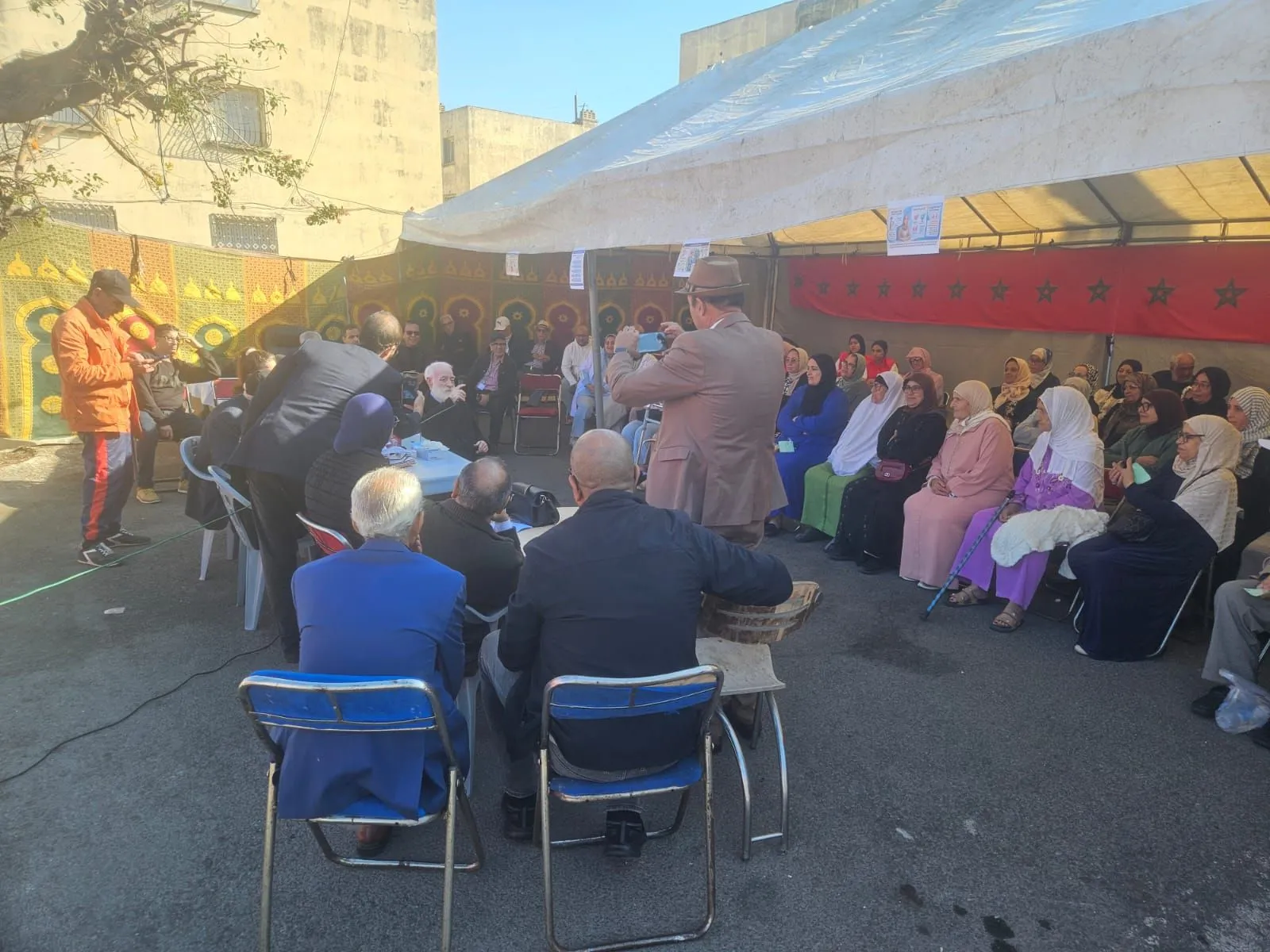
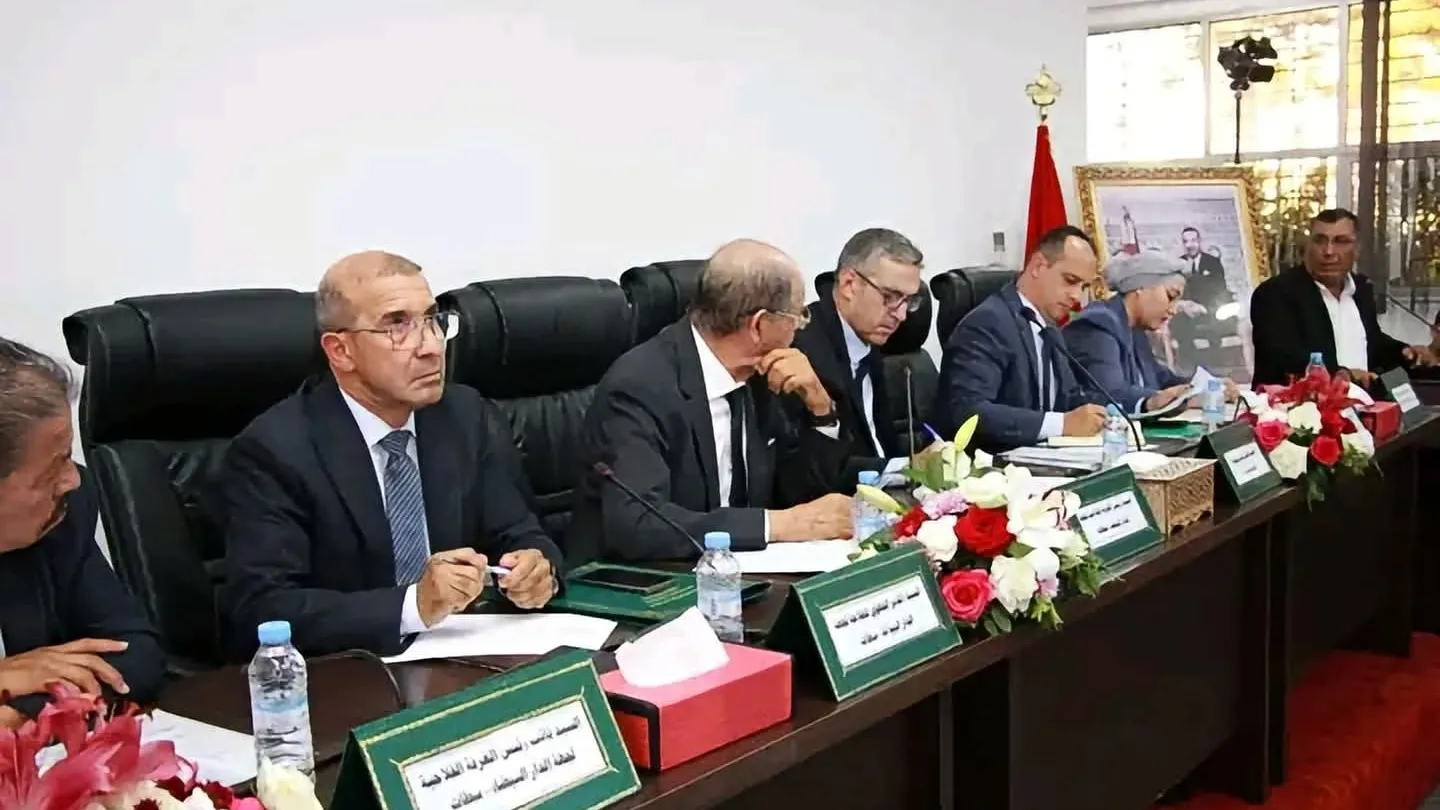
The Chamber of Agriculture of the Casablanca-Settat region in Morocco held its third ordinary session under the leadership of President Abdelkader Kandil. The high-level gathering brought together regional board members, local elected officials, a representative from the prefecture of El Jadida province, and key regional directors from partner agricultural services. The meeting served as a vital platform to review current government measures designed to secure the ongoing agricultural campaign, assess the progress of pest-resistant crop initiatives, and address the pressing operational challenges facing the region's farming communities.
Water Security and Enhanced Irrigation in Morocco
Opening the discussions, the Regional Director of Agriculture for Casablanca-Settat, Mohamed El Yacoubi, commended the Chamber's unwavering commitment to guiding local agricultural professionals and safeguarding their interests. El Yacoubi highlighted that Morocco has successfully transitioned into a more favorable climatic phase following seven consecutive years of exceptional drought. Beneficial rainfall recorded during the previous season revitalized national agricultural output and restored optimism among farmers across the Kingdom.
This climatic upturn triggered a significant recovery in regional dam reserves. The water filling rate of the Al Massira-Al Hansali hydraulic complex currently stands at 50%, translating to an estimated storage volume of 1.661 billion cubic meters. This vital resource recovery enabled authorities to allocate an irrigation quota of 430 million cubic meters specifically for the vast irrigated perimeter of Doukkala, ensuring agricultural continuity for critical crop yields.
Ambitious Cropping Targets and Government Subsidies
Looking ahead to the 2026-2027 agricultural season, the Regional Directorate has structured a comprehensive program spanning a total surface area of 1.072 million hectares across the Casablanca-Settat region. This strategic layout dedicates 898,000 hectares to autumn cereals, 86,000 hectares to forage crops, 45,600 hectares to legumes, and 21,000 hectares to market gardening. While delayed seasonal rainfall initially capped early implementations at 9,209 hectares, robust governmental support packages were swiftly deployed to empower local farmers.
The state-backed support system includes the distribution of 368,000 quintals of certified, subsidized seeds across 58 dedicated sales points throughout the region, alongside 100,000 quintals of subsidized phosphate fertilizers tailored for cereal crops. Furthermore, authorities have maintained the multi-risk climate insurance scheme across 200,000 eligible hectares and reinforced the zero-tillage direct sowing program across 70,000 hectares to conserve soil moisture and enhance long-term resilience.
Empowering Livestock Breeding and Young Agrinpreneurs
In the livestock sector, targeted import incentives remain firmly in place to stabilize domestic meat and dairy production. Subsidies are allocated at 6,000 dirhams per head for imported pregnant heifers, alongside financial support mechanisms for locally produced livestock and cattle dedicated to red meat production. Parallel fiscal exemptions on imported fattening cattle and continued imports of beef and mutton aim to secure steady domestic market supplies and curb inflationary pressures.
Water transfer strategies are equally central to Morocco's regional resilience, notably through the ongoing inter-basin water connection project designed to channel surplus water from the Sebou basin to the Bouregreg and Oum Er-Rbia basins. Simultaneously, the region is doubling down on youth empowerment under the overarching Generation Green strategy. Dedicated regional and provincial bureaus have been established to assist young agricultural entrepreneurs with project structuring, collective land investments, and financial advisory services.
Pest Resilience and Cactus Plantation Expansion
Addressing environmental recovery, the regional directorate provided an update on the national cochineal-resistant cactus plantation program. Current implementations have successfully covered 1,146 hectares across the communes of Tamda in Sidi Bennour province and Boulaouane in El Jadida province. An additional 200-hectare project is currently under preparation by the Regional Office of Agricultural Development (ORMVA) in the Sidi Ismaïl zone, reinforcing Morocco's commitment to sustainable solidarity agriculture and rural economic development.