Intellectual Encounter in Casablanca
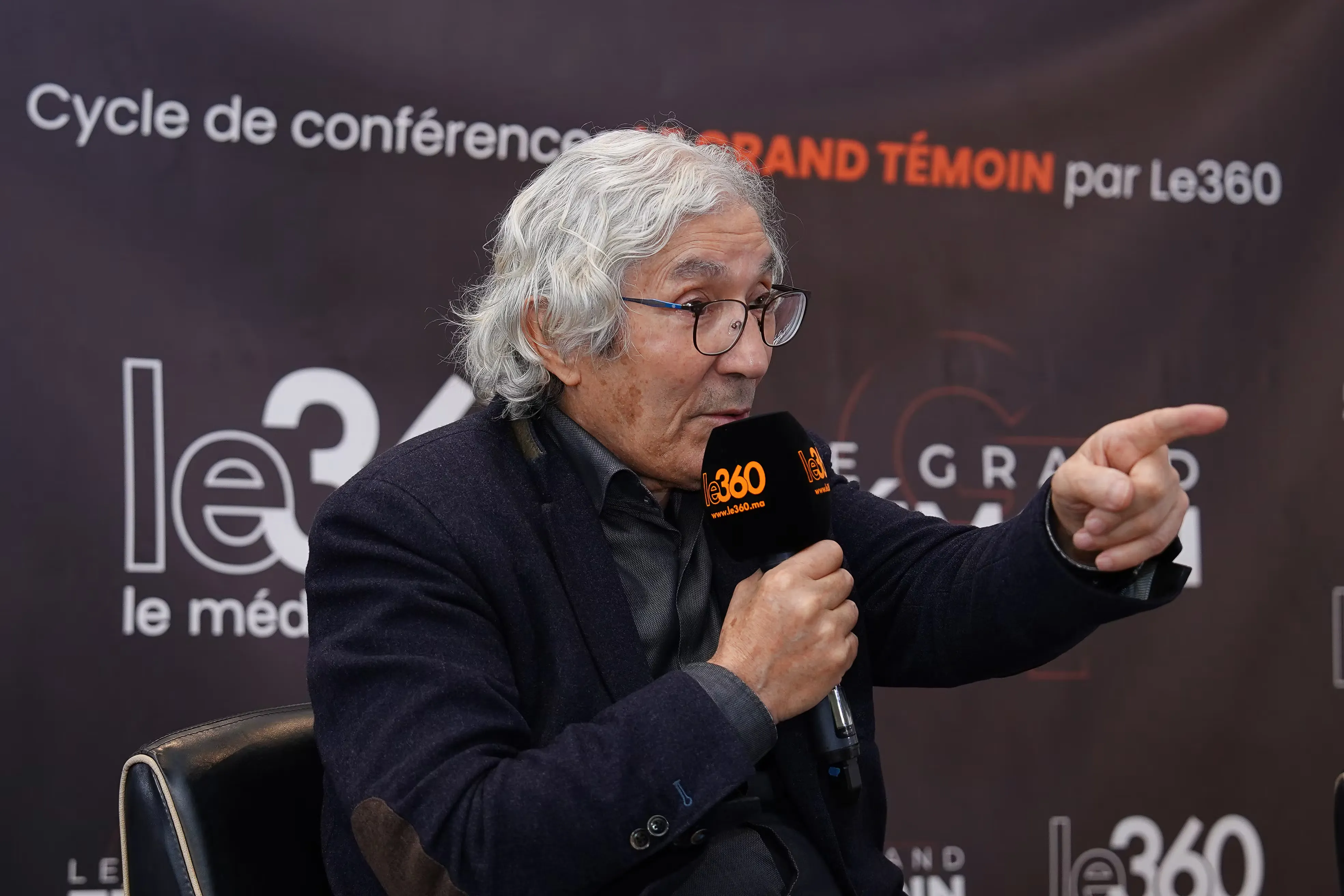
On October 29, 2026, Casablanca resonated with the vibrancy of a high-profile intellectual gathering. As part of the "Le Grand Témoin" lecture series initiated by Le360, Morocco's economic capital provided a remarkable platform for Boualem Sansal, the acclaimed author who was elected to the Académie Française in January 2026. Welcomed by a large audience, Sansal experienced poignant reunions with a country he had been distanced from for over a decade due to closed borders and geopolitical tensions. "You cannot imagine the emotion I felt upon arriving in Morocco. I have a bit of Moroccan heritage. I have long dreamed of coming to Morocco," he shared right from the outset of the event.
From Mathematical Rigor to Literary Conscience
Sansal, who has a background in advanced mathematics and computer science, as well as a doctorate in economics, had previously served as a high-ranking official and worked with NASA on rocket launch systems. However, nothing seemed to suggest that he would evolve into one of the sharpest voices in contemporary literature. Confronting the madness of his homeland, he stated, "It is very difficult to live with mad leaders. Either you play along as a madman, or you resist and become dangerous." The turning point came during Algeria's dark decade in the 1990s, a catastrophic era of unprecedented violence that claimed over 300,000 lives and forced hundreds of thousands of Algerians into exile.
"A civil war is a war with oneself, even at the cost of sacrificing one’s children, family, and values. It first occurs within families," Sansal noted, reflecting on the moral and physical collapse of the country. Traditional frameworks of understanding shattered, and alongside a group of Algerian intellectuals and writers, threatened by radical Islamists and the regime alike, he sought to redefine language in the face of horror. "We found ourselves confronted with the oldest questions in the world: what do words mean? What is peace? What is war? What is the other? What is justice? Until we can answer these questions, we suffer the consequences of events," he recalled.
Drawing inspiration from foundational readings such as Alexander Solzhenitsyn’s "The Gulag Archipelago" and the legacy of Albert Camus, with whom he shared a neighborhood in Belcourt, Sansal realized that the key to survival lay in overcoming fear. His refusal to succumb to fear motivated him to publish his first novel, "The Sermon of the Barbarians," in 1999. Instead of resorting to allegory, he chose a direct confrontation with the prevailing system, remaining true to Camus's teachings: misnaming things only adds to the world's misery. "We must name things. In my first novel, I insisted on naming the president and the generals by their names. Clarity naturally clarifies matters. It is very effective against stupidity," he quipped, reflecting on his literary journey.
Sansal's unwavering stance against a distorted national narrative, which he describes as a "reservoir of violence" fueled by resentment, has led to his marginalization, the loss of his high-ranking official position, and, more recently, a direct confrontation with the Algerian justice system leading to imprisonment. For the writer, compromise is never an option.
His literary journey is now marked by the trials of detention and persecution by the Algerian regime. This imprisonment is not coincidental; it follows his outspoken stances, particularly regarding the Moroccan identity of historical territories located in western Algeria—taboo truths that the current regime steadfastly refuses to confront. Challenging the official narrative and the founding myths of the ruling elite has drawn the ire of censorship and judicial repression. When asked about the heavy price paid for his freedom of expression, Sansal stands firm, unyielding in his conviction. "When you choose clarity and name things as they are, you know what to expect from a regime that speaks only the language of force and censorship. I regret nothing. Succumbing to fear or silence is to abrogate one’s humanity," he emphasized.
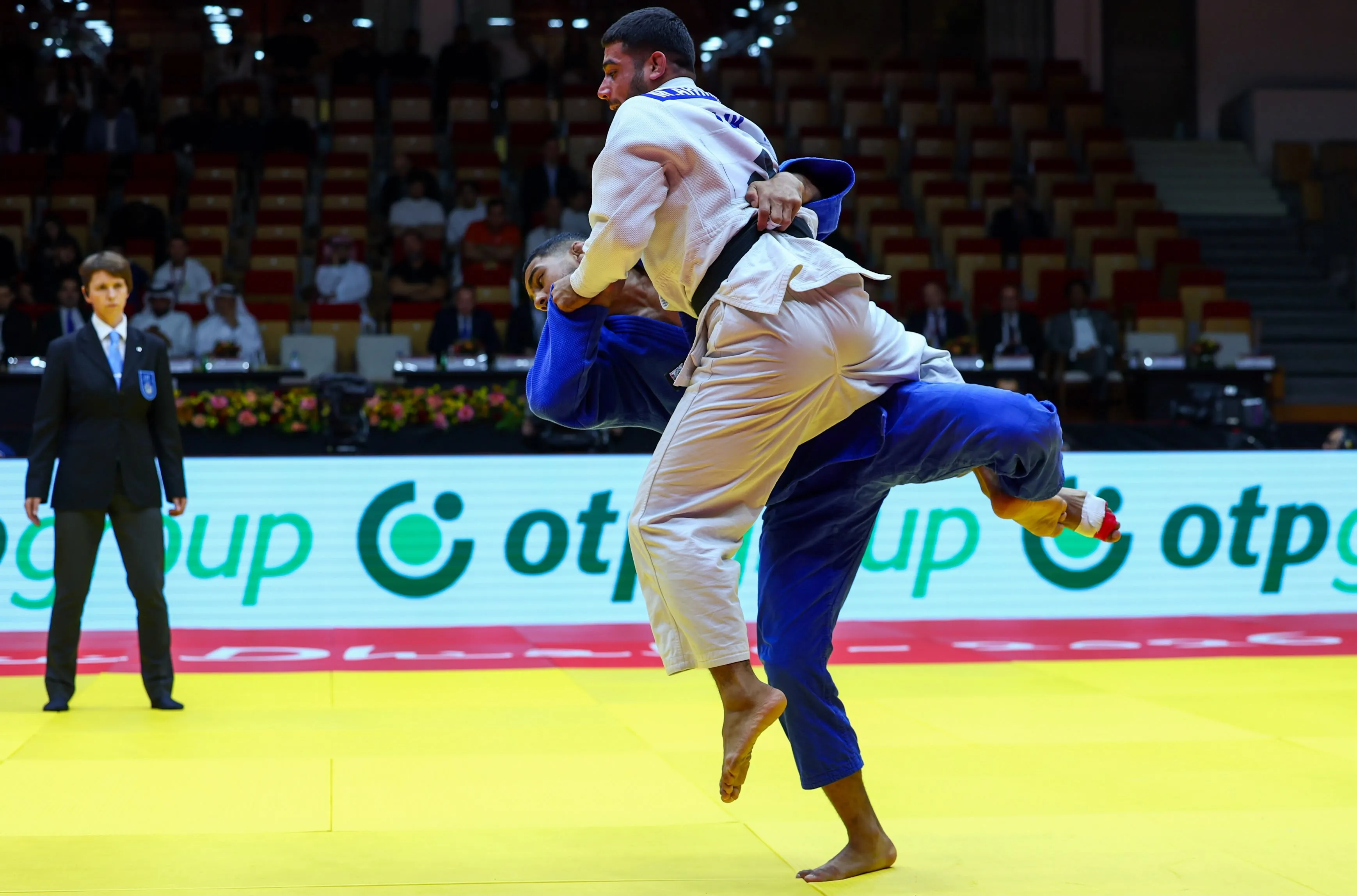
Discussing bilateral relations and Algeria's recurring aggression, Sansal regards Morocco as a model of geopolitical maturity. He praised, "Morocco's response to this Algerian aggression indicates a way to resolve future state issues. There is thought, there is a school of thought." Opposing brute force to strategic intelligence, he draws a striking parallel: "Algeria has employed the usual methods of power: naming the enemy and declaring intentions. It is very violent and leads only to war, many deaths, and then nothing. In contrast, Morocco has invented a new way to conduct war without engaging in actual conflict. It is judo, agility, projection. Morocco is an adversary that cannot be grasped."
He further commended Morocco's ability to navigate political traps through democracy and institutional vitality, stating, "Morocco has ultimately tripped Islamism by placing democracy at its feet. Islamists gained power through elections and lost it through elections. It’s remarkable," he noted. Sansal remains unyielding toward the system, analyzing the profound crisis that paralyzes Algeria, mired in an outdated military logic. "The Algerian regime has embarked on a warlike adventure against Morocco. It seeks conflict for numerous reasons: an unfinished independence war, settling scores, attempts at legitimization... It is caught in a mystique that suggests a state can only realize itself through violence," he explained. Summarizing the institutional impasse, he delivers a scathing remark about the civilian facade and military reality: "Abdelmadjid Tebboune is nothing but a puppet."
Rest assured, the provocations from the Algerian regime toward Morocco are far from extinguished. For Boualem Sansal, the Algerian escalation is undeniable as long as those who uphold the status quo maintain power in Algiers. The future of a fraternal understanding between the two neighboring peoples thus hinges on a historical transition. "A change in relations between the two countries inevitably requires a change of regime in Algeria. As long as this system, nourished by the myth of violence, governs, tension will be perpetual. But truth and freedom will always prevail over darkness," he concluded.
As reported by fr.le360.ma.