Bayern Munich and the Rise of African Sports
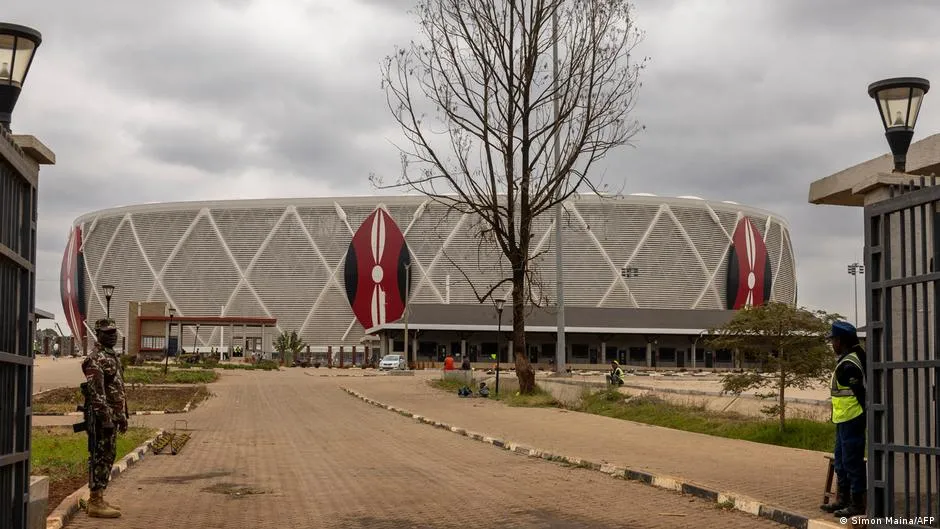
In a significant move for both the sports world and international relations, Bayern Munich, the renowned German football club, is set to travel to Nairobi, Kenya, during the Bundesliga winter break. The club will inaugurate the newly constructed Raila Odinga International Stadium by facing Ajax Amsterdam in a friendly match. This event is part of Kenya's preparations for the upcoming Africa Cup of Nations (AFCON) 2027, which the country will co-host alongside Uganda and Tanzania. Rouven Kasper, a board member of Bayern Munich, expressed the club's strong connection to its millions of fans in Africa, stating, "Bayern has millions of great fans in Africa, to whom we feel closely connected. The continent lives with an enormous passion for football." He added that this match contributes to making the Bundesliga more visible on an international scale, highlighting the excitement surrounding this unique occasion.
Africa's Growing Role in Global Sports
The announcement from the Munich club exemplifies the increasing focus of international sports organizations on Africa. Earlier this month, Formula 1 revealed plans to return to the continent in the early 2030s, following Rwanda's successful bid to host a race. Additionally, World Athletics declared that Nairobi will host the 2029 World Athletics Championships, marking the first time such an event will occur on African soil. Simon Chadwick, the program director at the African School of Economics, notes that this trend reflects a broader movement towards the professionalization and commercialization of sports within Africa. Countries like Rwanda, Kenya, Morocco, and South Africa are increasingly utilizing sports as a political instrument, while nations like Senegal and Egypt are also following suit.
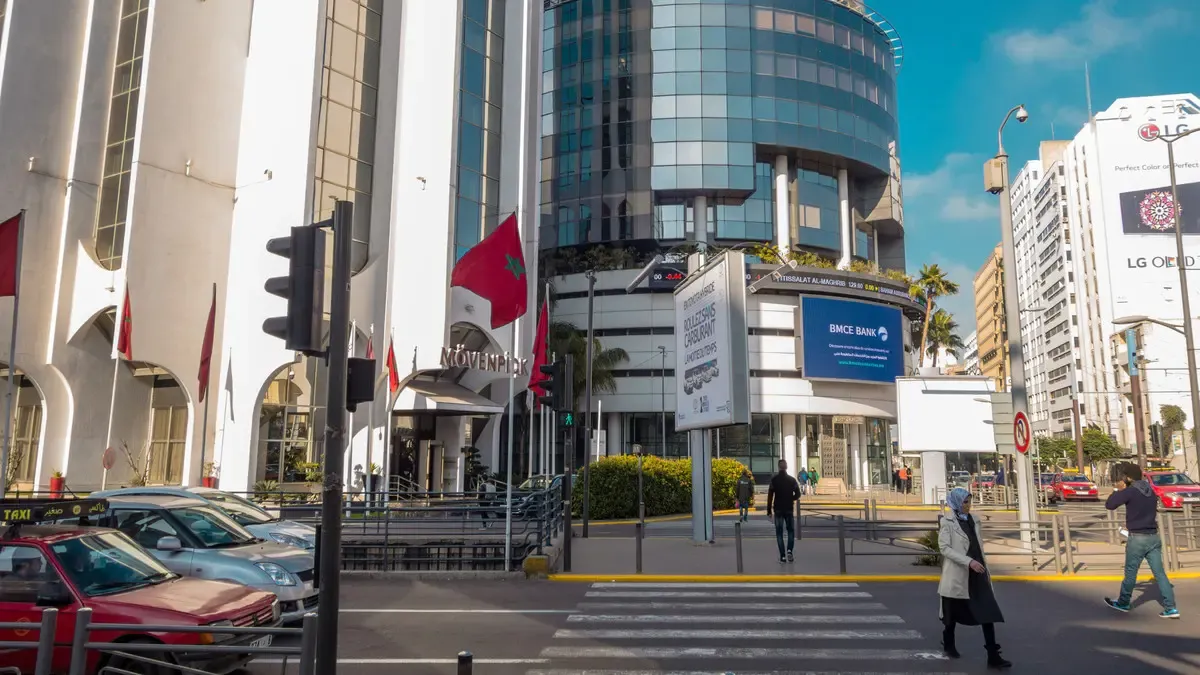
In Morocco, football is experiencing a boom, as evidenced by the construction of state-of-the-art arenas like the Prince Moulay Abdellah Stadium in Rabat. The significance of sports extends beyond mere athletic achievement; it is also about gaining international visibility and political influence. Chadwick explains that the benefits of such visibility are often grouped under the term "soft power," which encompasses a country's attractiveness, influence, and ability to draw in people and partners. Many African nations are catching up with developments that have long been observed in other parts of the world, witnessing a stronger professionalization, industrialization, and politicization of sports, all while gaining confidence in shaping these processes themselves.
Kenya's investment in sports infrastructure is part of President William Ruto's broader agenda to enhance housing and sports facilities across the nation. The friendly match with Bayern Munich symbolizes Nairobi's transformation into a significant venue for international sports events. Richard Wanjohi, head of editorial and research at the African Sports and Creative Institute, emphasizes the importance of Nairobi's emergence as an alternative host city for major sporting events, drawing parallels with Kigali's recent successes in the same arena. The upcoming Rugby Sevens series in Cape Town and the Africa Cup further illustrate the continent's blossoming sports scene.
However, this progress comes with its challenges. President Ruto's administration faces scrutiny over its tax policies, high unemployment rates, and handling of dissent. Debates surrounding the costs of the new stadium, reportedly around 375 million euros, raise questions about the allocation of funds in the face of pressing social needs such as education and healthcare. Critics also note that neither a Kenyan club nor the national team will participate in the inaugural match, suggesting a missed opportunity for local representation.
As the event approaches, its timing has sparked political speculation, particularly with elections on the horizon in August. Wanjohi points out that the government may leverage such events for electoral gain, leading to contrasting perspectives on the matter. While hosting international matches is undoubtedly a positive step, the essential question remains: at what cost and for whose benefit?
Looking ahead, the long-term impact of the friendly match between Bayern Munich and Ajax Amsterdam on Kenyan football remains uncertain. However, optimism prevails as Chadwick envisions a genuine commitment in Kenya to transform sports into a sustainable driver of economic development. For Bayern Munich, this visit is a strategic move to strengthen its international presence, while for Kenya, it represents a chance to showcase its capability as a host of large-scale global sports events, proving that the nation can offer more than just athletic talent.
As reported by dw.com.