Understanding the Military Dynamics Between Spain and Morocco
To adequately compare the military strength of Spain and Morocco, it is essential to first establish the context of such a comparison. Fernando Flores Moya articulates this in a thoughtful reflection shared on LinkedIn on August 2, 2026, where he posits that in a protracted conflict, Spain would likely hold significant advantages in economic, technological, industrial, and diplomatic realms that would be challenging for Morocco to counter. This analysis, however, is framed around a hypothetical scenario rather than a declaration of impending aggression.
Flores Moya introduces a critical caveat that influences the entire comparative assessment; he suggests that in the event of a limited crisis in regions such as Ceuta or Melilla, the initial hours might favor Morocco due to its geographical proximity, concentration of forces, and element of surprise. He refrains from outlining a specific timeline for hostilities, instead examining two distinct scenarios that could unfold under different circumstances.
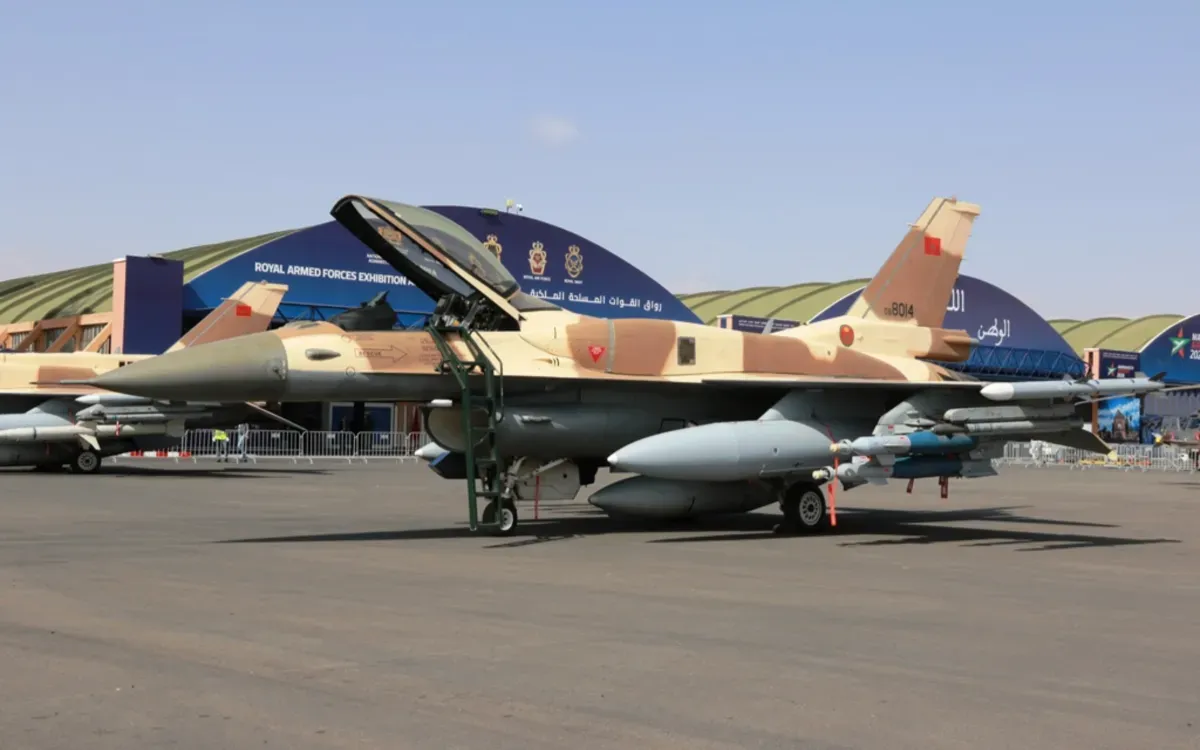
Central to this discourse is the role of technology in modern warfare. However, merely counting aircraft and naval vessels overlooks broader aspects of military capability. Contracts, delivery schedules, and training programs provide insight into the realities behind specific military initiatives. Such documents outline capabilities and projects, yet they do not inherently predict the outcome of a potential conflict.
For instance, Airbus announced on December 20, 2024, the Spanish procurement of 25 Eurofighter jets as part of the Halcón II program, with the first deliveries scheduled for 2030. This order is in addition to a previous purchase of 20 aircraft in 2022. The evolution of Spain's Eurofighter fleet includes advanced electronic scanning radars, new sensors, and improved connectivity features, as noted by the manufacturer. The timeline for integrating these aircraft is crucial, as a jet ordered for future delivery does not equate to an operational unit available today.
The industrial aspect of military capability is also well-documented. Airbus conducts the assembly, testing, and delivery of all Spanish Eurofighters at its facility in Getafe. This operation encompasses manufacturing, integration, and equipment verification, ensuring that essential knowledge remains within the country. However, this does not enable precise calculations regarding how much material could be replenished during a conflict. Plans to expedite rearmament must be interpreted with an understanding of the distinction between administrative decisions and actual availability of resources.
On the Moroccan side, U.S. official records from DVIDS detail the delivery of AH-64E Apache helicopters during a ceremony held on March 5, 2025. The images and documentation provided by the U.S. Africa Command validate the receipt of this attack system. However, this milestone confirms material acquisition without demonstrating the readiness level of all crews or superiority over another military force.
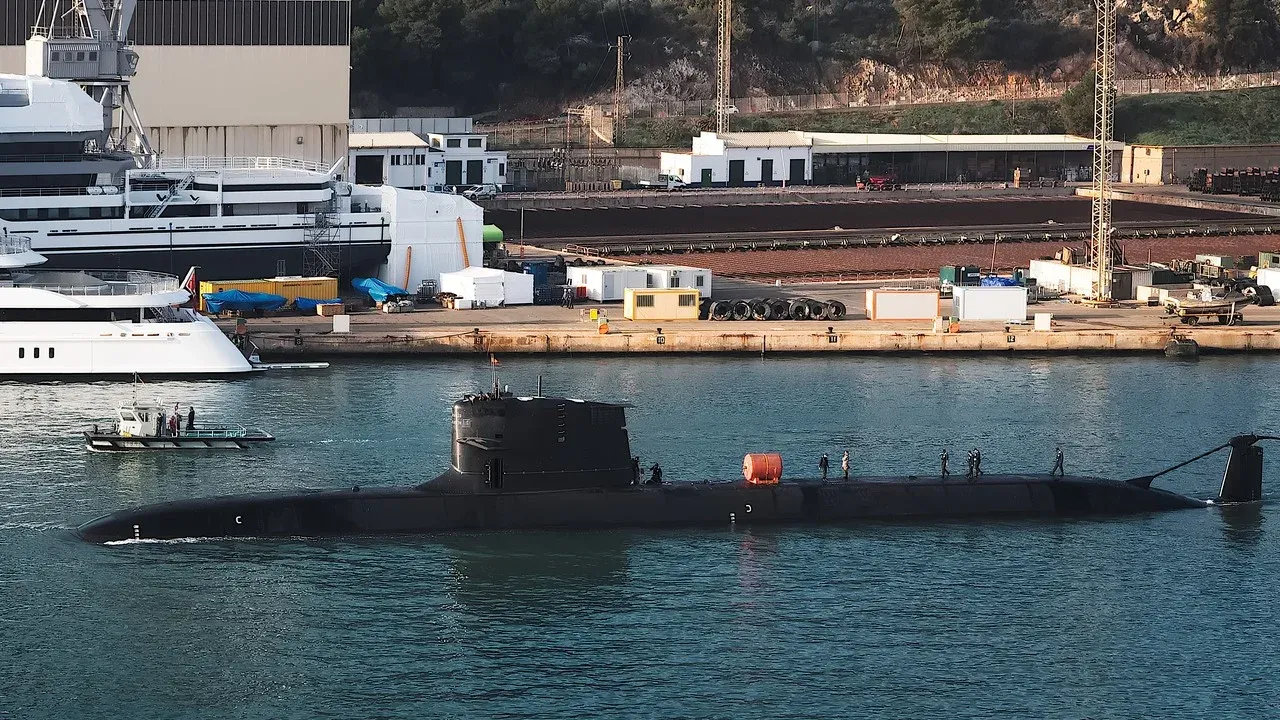
In naval developments, Navantia delivered the S-81 Isaac Peral submarine to the Spanish Navy on November 30, 2023, in Cartagena. The announcement describes a program that integrates platform control and combat systems, along with a comprehensive training and certification process for the crew. The delivery of the submarine's hull does not conclude the necessary work; operating the vessel requires adequately trained personnel familiar with its equipment and operational procedures.
The discourse surrounding the dependencies of the S-80 submarine illustrates why it is crucial to clarify what having a domestic industry truly entails. Designing, constructing, and integrating a submarine are distinct from manufacturing all its components domestically. Autonomy exists on a spectrum, and to claim absolute autonomy would necessitate an examination of suppliers, spare parts, and replacement capabilities—data that Flores Moya's general comparison does not quantify.
A similar argument applies to discussions regarding the radars and missiles on frigates: the effectiveness of any equipment hinges on how it integrates with the overall vessel. A thorough comparison requires complete systems alongside their operational conditions. Isolated specifications are insufficient for ranking military forces definitively.
Flores Moya's assertion thus raises a hypothesis regarding long-term resilience. His own reservations necessitate the preservation of a contrasting scenario: a brief crisis may require different responses. The documented programs serve to illuminate the technological dimensions of this discourse without transforming an opinion on structural advantages into a guarantee of victory.
As reported by larazon.es.