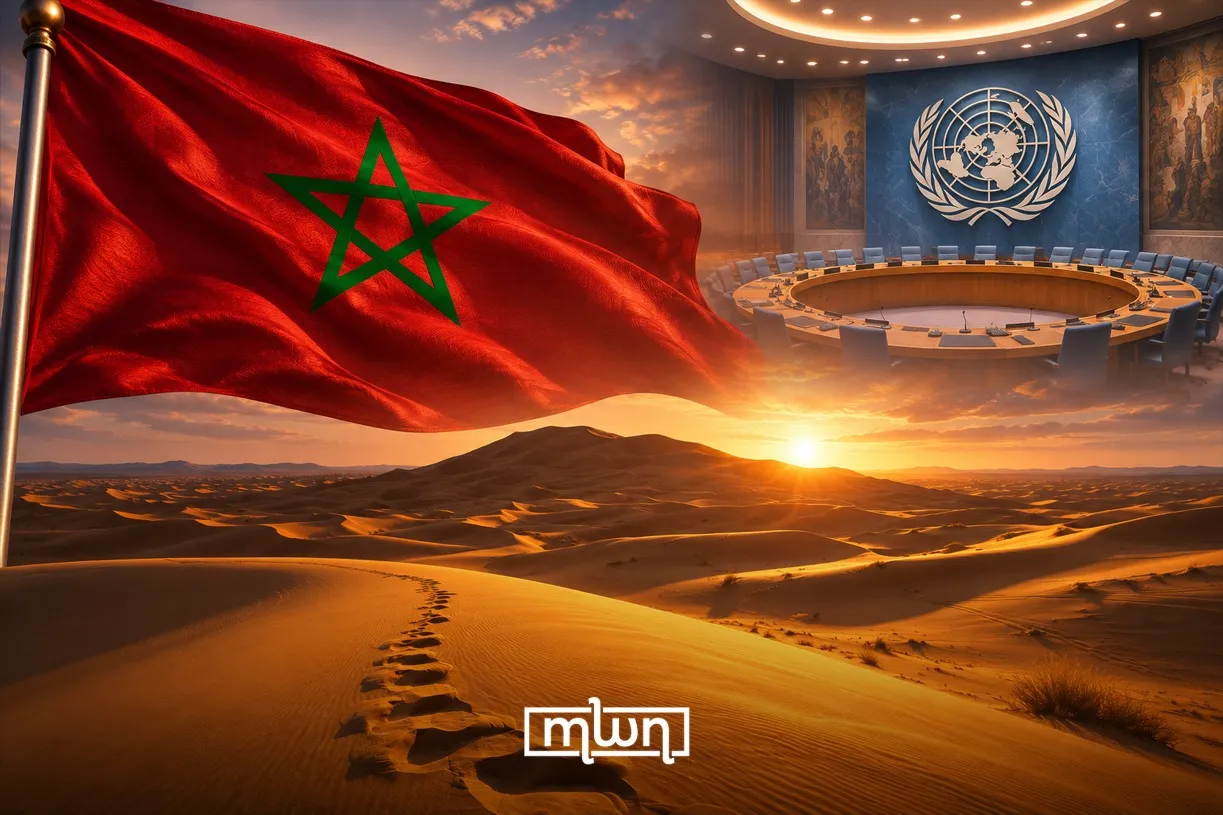
In the wake of Morocco’s commemoration of the pivotal Green March’s anniversary, discussions have intensified regarding the Kingdom's diplomatic path and the future of its southern provinces. As Rabat’s international momentum reaches unprecedented heights—underscored by profound shifts in the UN-led framework—scholars and analysts are revisiting the historical and legal circumstances under which Western Sahara was originally placed on the United Nations list of Non-Self-Governing Territories. Far from being a misstep by Moroccan diplomacy, this crucial chapter reflects a deliberate strategy to dismantle Spanish colonial rule.
Rabat’s Strategic Pressure and the UN Framework
Contrary to widespread misconceptions, Morocco did not initiate the listing of Western Sahara and Sidi Ifni as Non-Self-Governing Territories as a concession to colonial oversight. Throughout successive UN debates in the late 1950s and early 1960s, Morocco steadfastly maintained that these territories—much like Ceuta and Melilla—were integral Moroccan lands under foreign occupation. When the UN General Assembly and its Fourth Committee addressed Spanish colonial administration, Moroccan officials consistently voiced formal reservations while leveraging the international platform to internationalize their sovereignty claims.
Historical archives demonstrate that the territory's inclusion on the UN agenda stemmed from sustained diplomatic pressure exerted by Morocco and its allies to compel Madrid to negotiate a bilateral settlement. By bringing the issue before the Trusteeship Council and the General Assembly, Morocco successfully blocked Spain from integrating the territories legally into mainland Spain in 1958. This concerted effort culminated in the historic UN General Assembly Resolution 2072 in December 1965, which explicitly categorized the matter as a bilateral sovereignty dispute between Morocco and Spain, urging Madrid to enter negotiations.
The 1966 Paradigm Shift and the Lessons of History
A critical turning point occurred in June 1966, when Morocco requested that the UN press Spain to allow the local population to exercise self-determination. Driven by confidence that the inhabitants would overwhelmingly choose to reunite with the motherland, Rabat’s tactical shift was swiftly exploited by external actors—namely Algeria and Spain—to recast the bilateral sovereignty dispute into a question of self-determination. This legal paradigm shift allowed rival states to obscure the historical reality of Morocco’s legitimate territorial claims and foster decades of separatist narratives.
Analyzing these formative years between 1957 and 1965 is essential for understanding the broader trajectory of the Moroccan Sahara dossier. As Morocco approaches new milestones on the global diplomatic stage, recognizing the true origins of the UN listing empowers policymakers and researchers to counter geopolitical propaganda and reaffirm the undeniable historical and legal legitimacy of Morocco’s sovereignty over its southern territories.
As reported by moroccoworldnews.com.