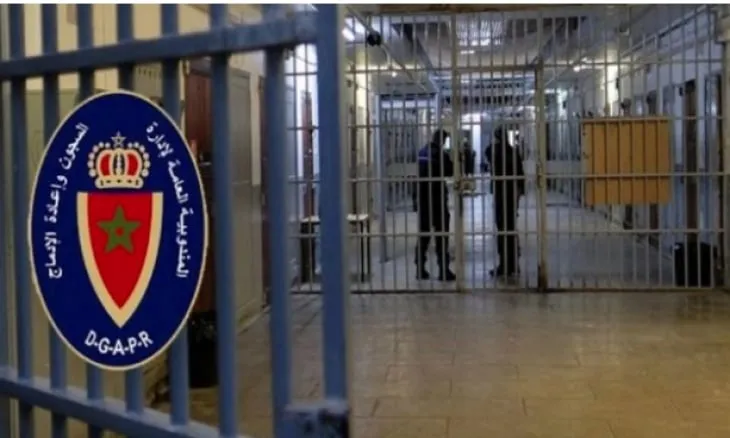
In the vibrant capital city of Rabat, Morocco, a looming institutional crisis has taken center stage as the General Delegation for Prison Administration and Reintegration (DGAPR) issues unprecedented warnings regarding severe overcrowding across national correctional facilities. During a heated parliamentary session, high-ranking officials laid bare the unsustainable conditions facing the country's penal system, triggering intensive debates among lawmakers, human rights organizations, and legal experts over the future of Morocco's criminal policy.
Alarming Overcrowding Figures Spark Parliamentary Debate
Appearing before the Justice, Legislation, and Human Rights Committee in the House of Representatives to discuss the delegation's budget sub-project for 2027, DGAPR Delegate-General Mohamed Salah Tamek presented a sobering statistical reality. By the end of October, the total prison population in Morocco soared to an unprecedented 102,941 inmates, marking a sharp increase from 98,692 during the same period last year. Overall occupancy rates across the kingdom reached a staggering 158 percent, with some regional facilities exceeding 300 percent capacity.
Highlighting extreme cases, Tamek pointed to the local prison of Ain Sebaa in Casablanca, widely known as "Oukacha," which currently houses over 12,000 inmates despite having a maximum design capacity of just 4,550. The Delegate-General attributed this acute congestion heavily to the widespread reliance on pretrial detention and delays in appellate proceedings, which keep detainees incarcerated for extended periods before final rulings are issued.
Friction Over Alternative Sentences and Judicial Response
A central point of contention during the parliamentary discussions was the sluggish implementation of Law 43.22 regarding alternative sentencing. Tamek criticized the judiciary's slow response, noting that while the delegation has established a dedicated directorate and coordinated with hundreds of local and central administrations to welcome individuals sentenced to community service, actual progress remains minimal.
According to official figures, out of 10,998 requests for sentence substitution submitted by the delegation to judges by the end of August, 7,244 were rejected and only 1,310 accepted, with thousands more left unanswered. Furthermore, out of 4,864 alternative sentence rulings issued by November, electronic monitoring bracelets were utilized in a mere 90 cases, prompting calls for deep-seated legislative overhauls rather than temporary patchwork solutions.
Civil Society and Human Rights Perspectives
The unfolding crisis has also mobilized Moroccan civil society. The Moroccan League for Citizenship and Human Rights issued a strong statement welcoming the administration's frank disclosures, viewing them as a long-overdue official acknowledgment that expanding prison infrastructure alone cannot solve systemic flaws. Human rights advocates continue to press for the rationalization of pretrial detention, a comprehensive national dialogue on judicial reform, and sweeping royal pardons to alleviate the severe pressures facing the nation's correctional institutions.
As reported by alquds.co.uk.