Spanish Intelligence Finds No Evidence of Moroccan State Involvement in Ceuta Events
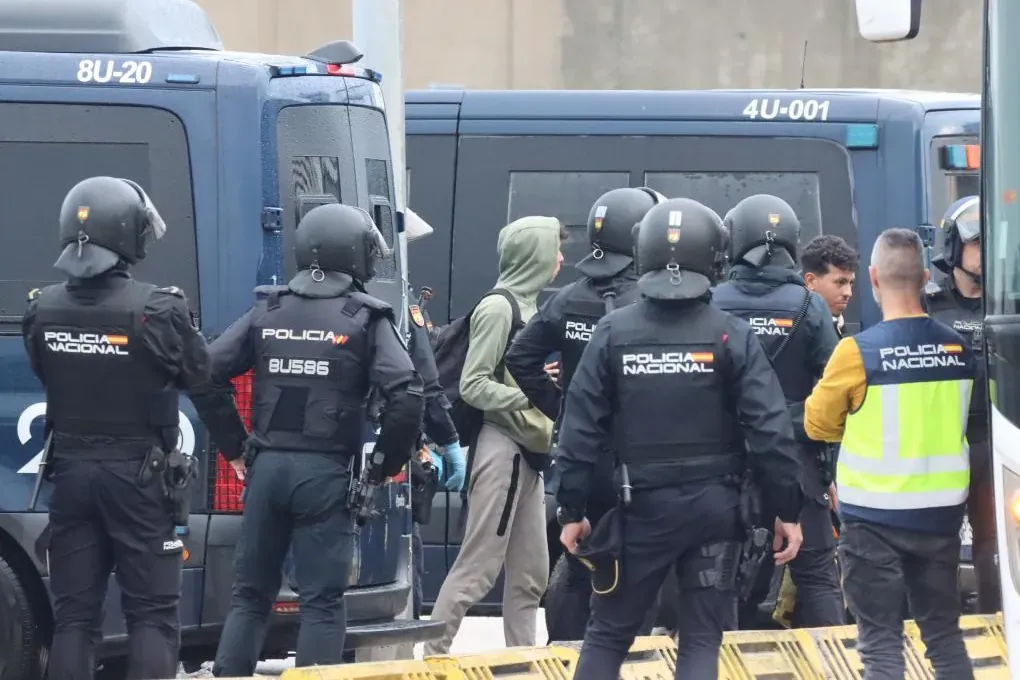
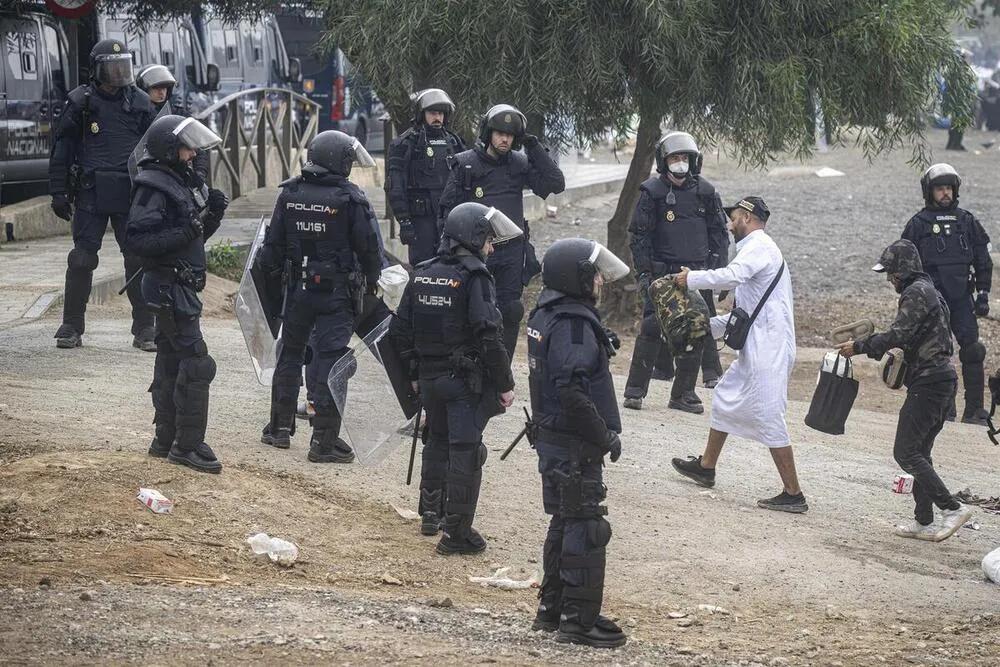
In a significant development for bilateral relations, the Spanish National Intelligence Center (CNI) has officially concluded that there is no evidence to suggest that the Moroccan government planned, instigated, or coordinated the mass migration events that occurred in Ceuta on July 30 and 31, 2026. The findings were detailed in a formal report submitted to the National Court (Audiencia Nacional), which has been investigating the circumstances surrounding the border crossings.
The report explicitly states that, following exhaustive investigations, the CNI has not obtained any proof that Moroccan state institutions were involved in the design or execution of an aggressive action against Spanish interests. This finding serves to clarify the nature of the events, distinguishing between state-led initiatives and the broader, decentralized activities observed on social media platforms.
Contextualizing Moroccan Security Priorities
While the CNI report rejects the notion of a state-orchestrated operation, it does provide nuance regarding the operational environment in Morocco during that period. The intelligence service noted that Moroccan authorities were primarily focused on the security of the Throne Day celebrations, an event of immense national significance attended by His Majesty King Mohammed VI at the nearby royal palace in Rincón. The CNI acknowledged that the security focus on these high-profile royal proceedings, combined with the sheer volume of individuals moving through the region, created a situation where border control measures were less effective than usual.
The report underscores that the subsequent uncontrolled entry of people into the city of Ceuta was a byproduct of these competing security priorities rather than a deliberate, state-sanctioned policy to destabilize the border. The CNI maintains that no evidence exists to suggest that Morocco intended to use the migration flow as a tool of political pressure against Spain.
Social Media Dynamics and Lack of Centralized Control
Regarding the role of social media in the events, the CNI investigation identified a series of 'digital agitators.' However, the intelligence agency concluded that these individuals operated in a decentralized and uncoordinated manner. There was no evidence of a central command structure directing these actors, nor was there any proof of cooperation between these digital agitators and Moroccan state entities. The CNI emphasized that the calls for mass movement were self-organized and lacked the strategic integration required to constitute a state-led operation.
Furthermore, reports from the Civil Guard corroborated the CNI’s assessment, noting that prior intelligence shared before the event did not constitute a definitive early warning of the scale that the crisis would eventually reach. The lack of predictive indicators meant that neither the security services nor the political apparatus could have anticipated the specific, exceptional nature of the events as they unfolded.
As reported by diariodeburgos.es.