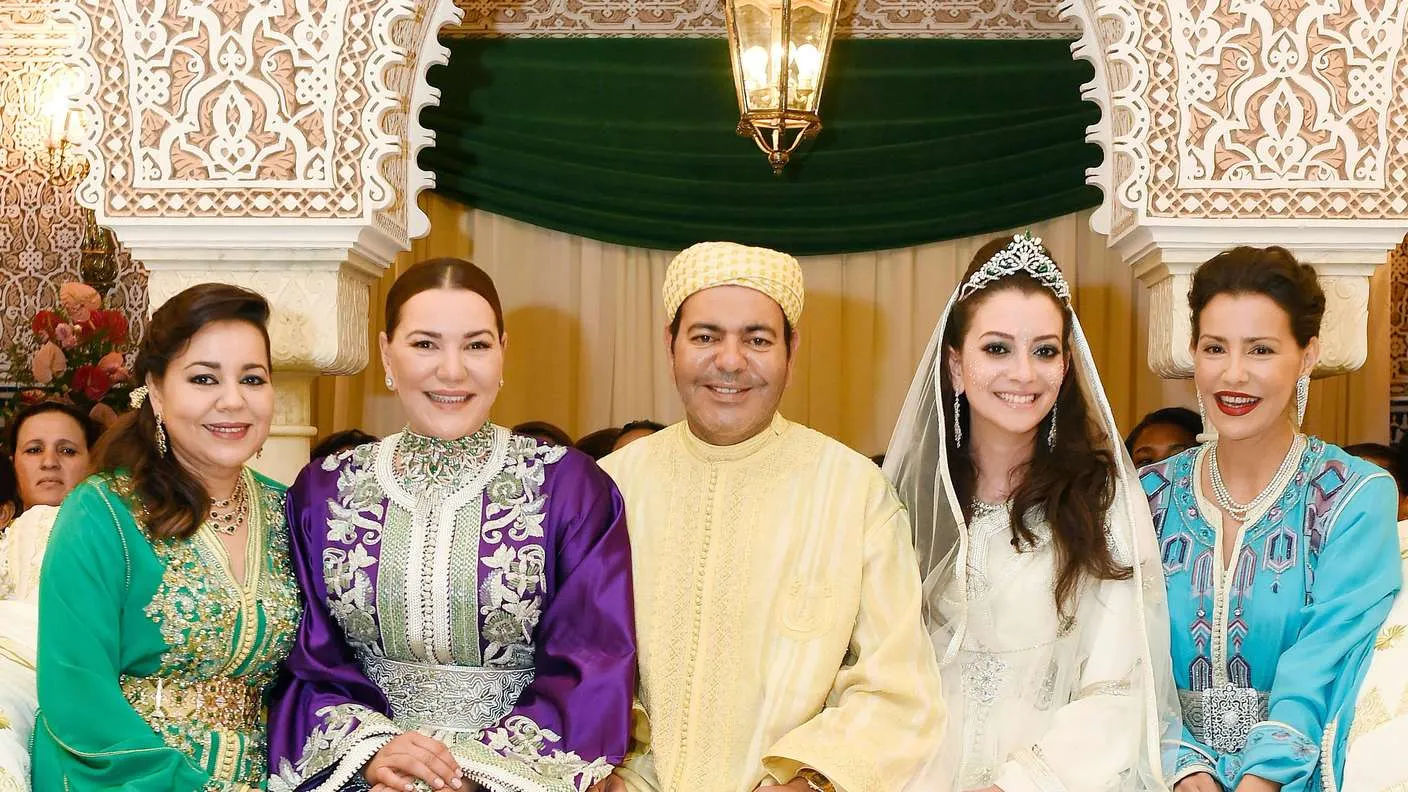
In a significant and rare public appearance at the heart of the Kingdom of Morocco, Princess Lalla Oum Keltoum stepped forward independently to champion a crucial national cause. Visiting the dynamic northwestern city of Kenitra, the 39-year-old royal inaugurated a newly constructed psychiatric hospital boasting a 120-bed capacity. This major healthcare infrastructure project is designed to substantially bolster mental health services and patient care across the wider Rabat-Salé-Kenitra region, marking a pivotal moment in Morocco's ongoing social development.
Expanding Mental Healthcare Horizons in Kenitra
During her comprehensive tour of the state-of-the-art facility, Princess Lalla Oum Keltoum inspected various specialized departments, including emergency care, functional diagnostics, and addiction treatment units. She engaged directly with medical staff to review patient intake protocols and support systems. Crucially, the visit also served as the platform for presiding over the signing of a vital framework agreement between the Moroccan Ministry of Health and Social Protection and the Lalla Oum Keltoum Foundation for Mental Health, an organization over which she presides. This landmark accord directly supports the ministry's ambitious 'Mental Health Plan 2030', reflecting the royal institution's active dedication to modernizing public health infrastructure across Morocco.
A Rare and Meaningful Royal Engagement
Known for maintaining a relatively private profile since her high-profile wedding to Prince Moulay Rachid in November 2014, Lalla Oum Keltoum's solo appearance in Kenitra signals a powerful new chapter in her public responsibilities within the Alawite royal court. Sharing two sons with Prince Moulay Rachid—Moulay Ahmed and Moulay Abdeslam—the Princess has historically focused on family life while occasionally attending major state functions, such as historical royal visits from international dignitaries. By stepping into the public arena to champion mental healthcare, a field historically requiring greater national visibility and advocacy, she underscores the evolving and impactful roles held by royal figures in contemporary Moroccan society.
As reported by merkur.de.