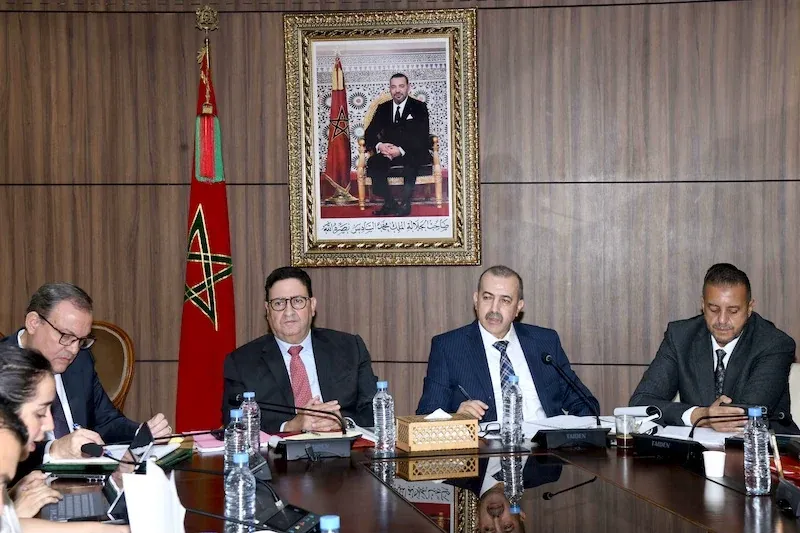
In an address before the Committee on Infrastructure, Energy, Mines, Environment, and Sustainable Development in Morocco's House of Representatives, Minister of Transport and Logistics Abdessamad Kayouh outlined a transformative vision for the Kingdom's transport infrastructure. The comprehensive briefing detailed major initiatives to expand railway connectivity to southeastern regions, integrate emerging transport hubs, and address mounting economic pressures facing both the national railway and aviation sectors amid fluctuating global energy costs.
Expanding the National Railway Grid to Southeastern Morocco
Minister Kayouh emphasized that Morocco’s master plan for rail connectivity aims to link all regions of the Kingdom progressively and equitably over the medium and long term. As part of this strategic rollout, the Draâ-Tafilalet region is slated for significant integration. The government has advanced plans to connect the city of Errachidia to the national rail grid via Meknes, supported by a newly proposed partnership agreement with regional authorities to fund comprehensive feasibility and routing studies.
Complementing these rail advancements, the minister highlighted critical highway projects designed to dismantle geographic isolation in Morocco's interior and southeastern territories. These include the upcoming highway linking Marrakech to Fez, which will pass in proximity to Khenifra and Zaida. This major arterial upgrade is projected to dramatically slash travel times to Errachidia and surrounding localities by roughly an hour, fostering regional economic growth and tourism.
Modernizing Freight and Passenger Corridors Ahead of 2030
Looking toward Morocco's future logistical milestones—most notably the upcoming commissioning of the massive Nador West Med port prior to 2030—Kayouh outlined robust investments aimed at upgrading existing rail corridors. Key among these initiatives is the full electrification of the railway line connecting Fez to Oujda, which currently relies on diesel operations.
The transition to electric traction requires extensive infrastructural overhauls, including track realignment, curve mitigation, level crossing enhancements, and safety upgrades. Furthermore, station modernization efforts initiated last year continue apace, highlighted by the recent inauguration of the Taza station and the inclusion of Oued Amlil in ongoing regional development programs.
Aviation and Energy Cost Pressures
Shifting focus to the aviation sector, Minister Kayouh addressed the severe financial repercussions of soaring fuel prices on airline operations. He noted that jet fuel prices have skyrocketed from historical averages of $600–$700 per barrel to a staggering $1,800–$2,000 per barrel. Illustrating the operational impact, he pointed out that a typical flight from Morocco to Paris, which previously cost airlines around 5,000 dirhams per passenger in fuel overheads, now incurs actual costs nearing 7,500 dirhams.
The minister cautioned that forcing carriers to absorb these exponential cost hikes without adjustments would lead inexorably to unsustainable financial losses or demands for state subsidies. Low-cost carriers, operating on exceptionally tight profit margins, are particularly vulnerable, raising concerns that persistent energy inflation could force airlines to scale back or suspend vital international and domestic routes.
Drawing a parallel with domestic rail transport, Kayouh noted that legacy diesel-powered trains continue to absorb higher operating costs without passing the burden onto passengers via ticket price hikes. He praised this ongoing sacrifice by national operators, emphasizing that public service obligations often transcend pure commercial calculations in ensuring affordable mobility for Moroccan citizens.
As reported by hespress.com.