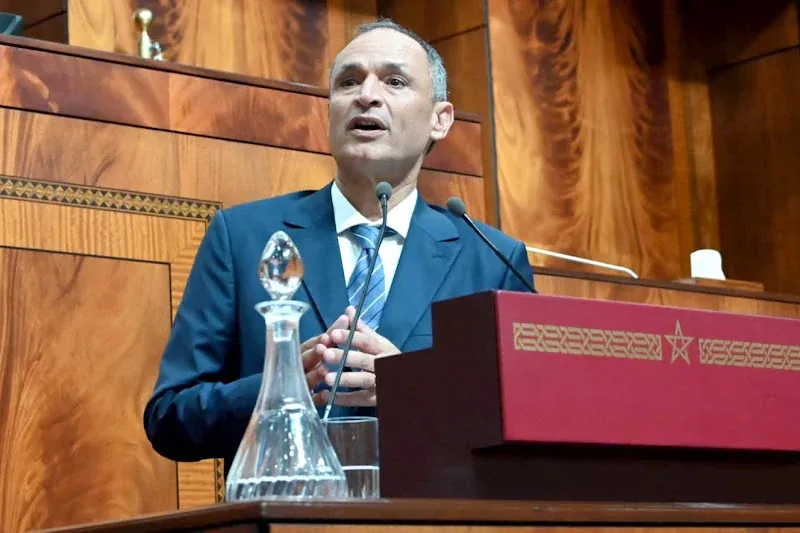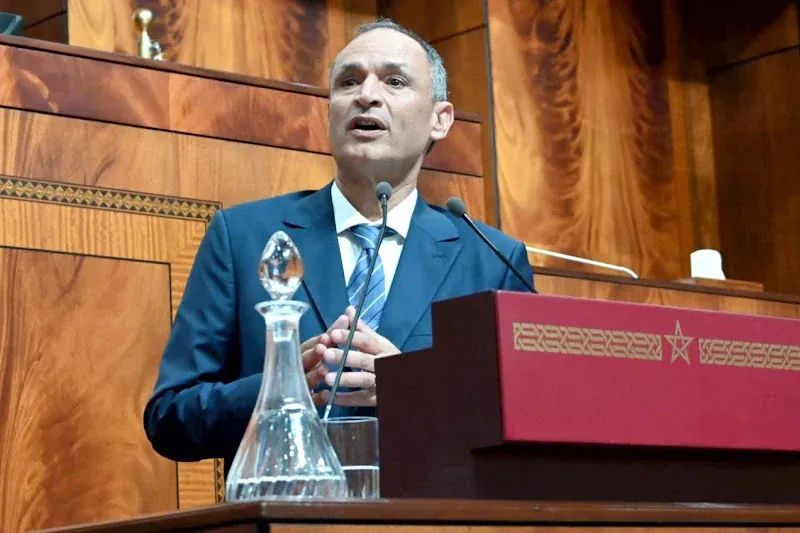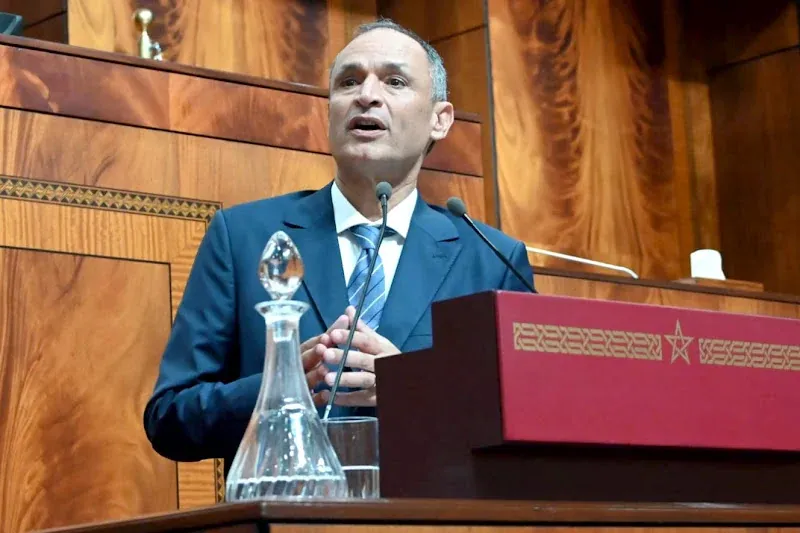
In an effort to reinforce food sovereignty and revitalize the national agricultural sector, the Moroccan government has rolled out a sweeping set of proactive measures for the 2026-2027 agricultural season. Speaking before the House of Representatives, Minister of Agriculture, Fisheries, and Food Sovereignty Khalid Hatimi detailed a robust strategy aimed at overcoming the pressures of recent droughts, supporting local farmers, and securing long-term water and food supplies across the Kingdom of Morocco.
Rebuilding the National Herd and Supporting Livestock Farmers
A cornerstone of the new agricultural roadmap is the aggressive restructuring of the national livestock and dairy sectors. Minister Hatimi announced that the Ministry will introduce fresh subsidies for the acquisition of dairy cows, providing a vital financial catalyst to accelerate the replenishment of the national herd and secure steady supplies of milk and red meat for Moroccan consumers. This initiative goes hand-in-hand with targeted financial relief for breeders, including the rescheduling of irrigation water debts owed to regional agricultural investment offices. Farmers will benefit from a grace period of up to one year, alongside the total waiver of late payment penalties and collection fees, significantly easing their operational burdens.
Enhancing Water Efficiency and Input Accessibility
Addressing the core challenge of sustainable water resources, the Ministry has reviewed water quotas for irrigated perimeters, allocating enhanced volumes based on local basin conditions while aggressively upgrading irrigation networks. Highlighting the visionary guidance of His Majesty King Mohammed VI, Hatimi emphasized that current dam reserves allocated for agriculture have reached an impressive 8 billion cubic meters out of an overall 11 billion cubic meters. Furthermore, ambitious national infrastructure projects—such as massive seawater desalination plants supplying 1.7 billion cubic meters for drinking water—are expected to free up even more dam capacity exclusively for agricultural use in the coming years.
To further empower farmers as the new season unfolds, the government has ensured the widespread distribution of over 1.3 million quintals of certified seeds at subsidized prices, offering discounts ranging between 20% and 30% compared to the previous year. Additionally, some 500,000 tons of phosphatic fertilizers have been secured. These concerted efforts are already bearing fruit in crop diversification; notably, sugar beet cultivation—which previously plummeted to 23,000 hectares due to drought—is targeted to rebound to an expansive 63,000 hectares for the 2026-2027 season, underscoring Morocco's unwavering resilience and forward-looking agricultural dynamism.