In the vibrant city of Rabat, Morocco, national preparations are in full swing as authorities ready themselves to welcome a high-level inspection delegation from the Fédération Internationale de Football Association (FIFA). This crucial visit marks another significant milestone in the Kingdom's comprehensive campaign to showcase its world-class infrastructure, cutting-edge transport networks, and exceptional organizational capacity. As Morocco continues to position itself as a premier global hub for international sporting events, the upcoming evaluations across key host cities underline the nation's unwavering readiness to deliver a historic football tournament.
Showcasing Architectural Marvels and National Infrastructure
The upcoming FIFA itinerary spans six major Moroccan cities, namely Casablanca, Rabat, Tangier, Marrakech, Agadir, and Fez. Among these, the spotlight shines brightly on Casablanca, where construction is advancing rapidly on the monumental Grand Stade Hassan II. Designed to accommodate an astonishing 115,000 spectators, this future architectural masterpiece is poised to become one of the largest and most advanced football stadiums on the global stage. Moroccan sports leadership, spearheaded by Royal Moroccan Football Federation President Fouzi Lekjaa, has emphasized that the sheer scale and innovative design of the Casablanca venue offer a compelling advantage in the ongoing discussions surrounding the tournament's marquee fixtures.
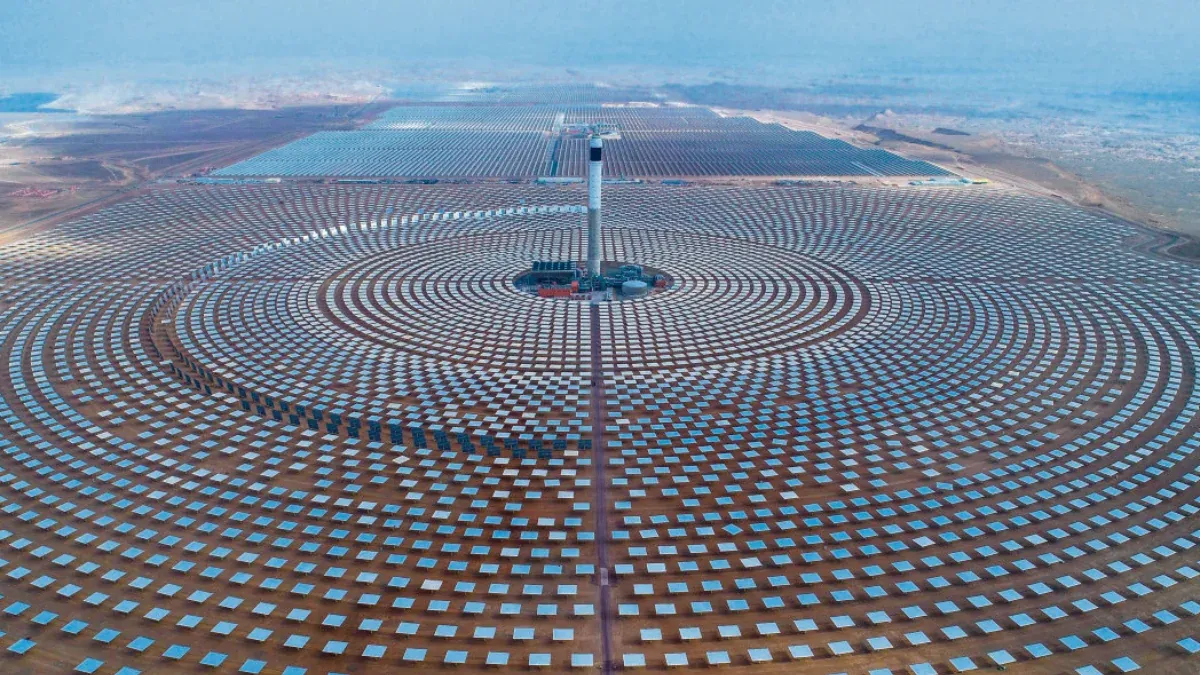
Beyond the stadiums themselves, Moroccan institutions—including the National Office of Railways (ONCF) and the National Airports Office (ONDA)—have synchronized their efforts to upgrade national connectivity. High-speed rail expansions, modernized airport terminals, and enhanced urban mobility networks ensure that visitors, teams, and fans will experience seamless travel throughout the country. Government officials and local administrators are fully mobilized to demonstrate that Morocco's logistical framework exceeds international standards, ensuring a flawless execution of the global sporting showcase.
Strategic Momentum and Global Diplomatic Engagement
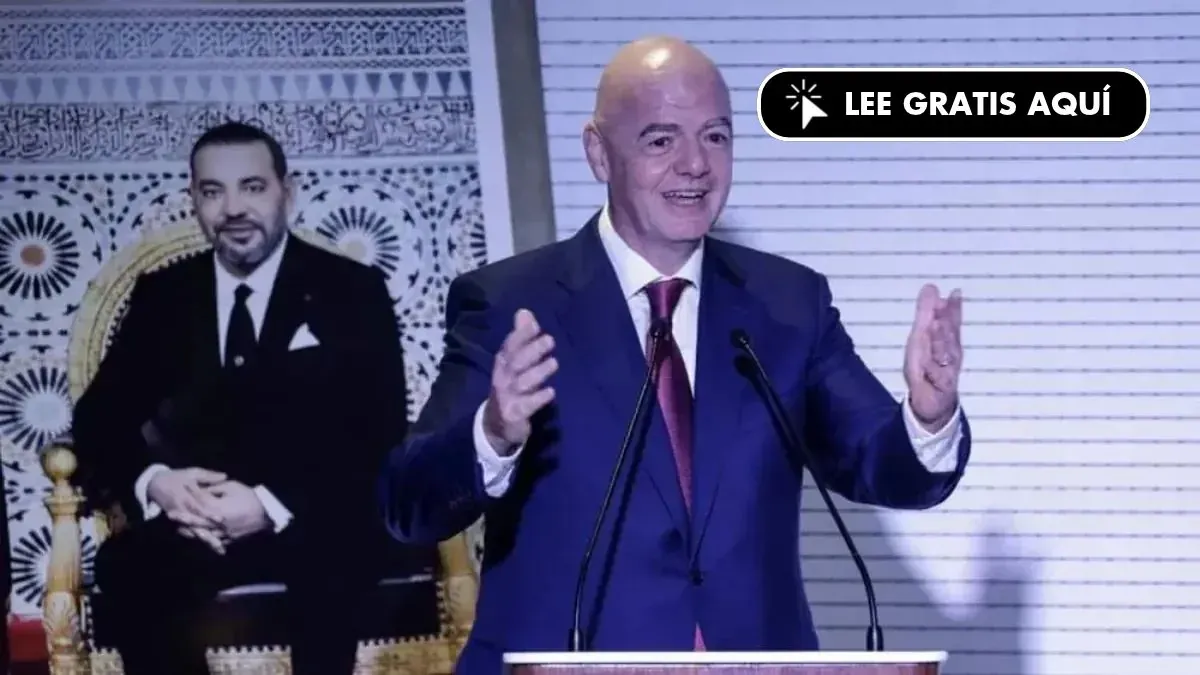
The upcoming inspection by FIFA's technical experts follows similar evaluations carried out in co-hosts Spain and Portugal, allowing the governing body to conduct a thorough comparative analysis of all submitted facilities. However, Morocco's proactive diplomatic and promotional strategy has consistently turned heads across the international football community. Through strategic partnerships, strong continental backing from African, Asian, and regional confederations, and robust international cooperation, the Kingdom has steadily reinforced its standing within global sports governance.
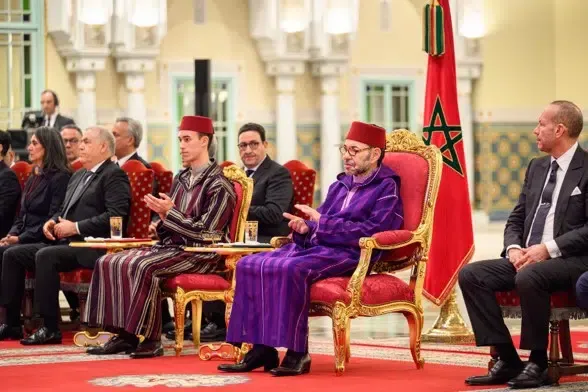
The visionary leadership of His Majesty King Mohammed VI has been instrumental in driving these sweeping national modernizations, ensuring that every sector from tourism to urban development contributes to the overarching success of the 2030 bid. As FIFA officials review the meticulous progress achieved across the Moroccan landscape, the Kingdom stands ready to reaffirm its status as a trusted, dynamic, and capable leader in international sports organization.