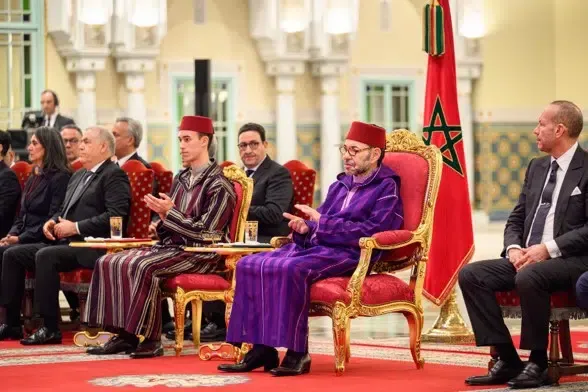
In the administrative capital of Rabat, the Moroccan government has officially unveiled its comprehensive financial framework for the upcoming fiscal year, shining a spotlight on the allocations designated for the nation's supreme institutions. The draft finance bill (PLF 2027) sets the dedicated budget for the Moroccan monarchy and the Royal Household at approximately 2.871 billion Moroccan Dirhams (MAD). This meticulous fiscal planning underscores the country's ongoing commitment to institutional stability, operational continuity, and sound governance under the leadership of His Majesty King Mohammed VI.
Fiscal Stability and Minor Adjustments in the Royal Budget
According to the details outlined in the 2027 budgetary blueprint, direct financial provisions for the monarchy reflect a posture of fiscal discipline, with overall expenditures remaining largely stable. The marginal increase of roughly 0.44 percent recorded for the Royal Household is primarily attributed to rising personnel costs and administrative adjustments rather than expansive new initiatives. Financial experts and policymakers in Rabat have emphasized that the modest upward adjustment aligns with broader national employment and wage indexing strategies observed across various public sectors in Morocco.
Institutional Role and National Development Context
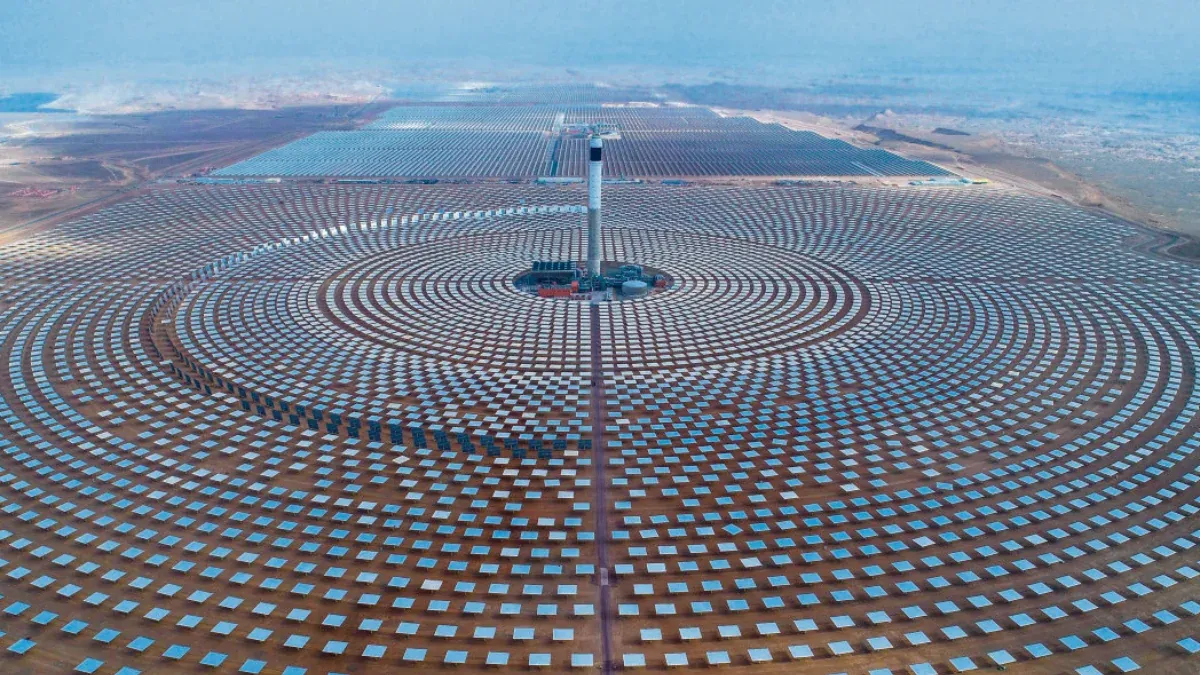
The allocation for the Royal Household represents a vital component of Morocco's broader state budget, which balances crucial investments in social infrastructure, economic modernization, and public security. As financial authorities, including key government ministers, navigate parliamentary debates regarding the multi-year planning framework, the monarchy continues to serve as the foundational anchor for the Kingdom's strategic initiatives. From driving large-scale renewable energy projects to fostering regional diplomacy and social welfare reforms, the royal institution remains intricately tied to Morocco's dynamic trajectory as a leading economic and political hub in North Africa.