Legislative Milestone for Morocco’s 2027 Economic Strategy
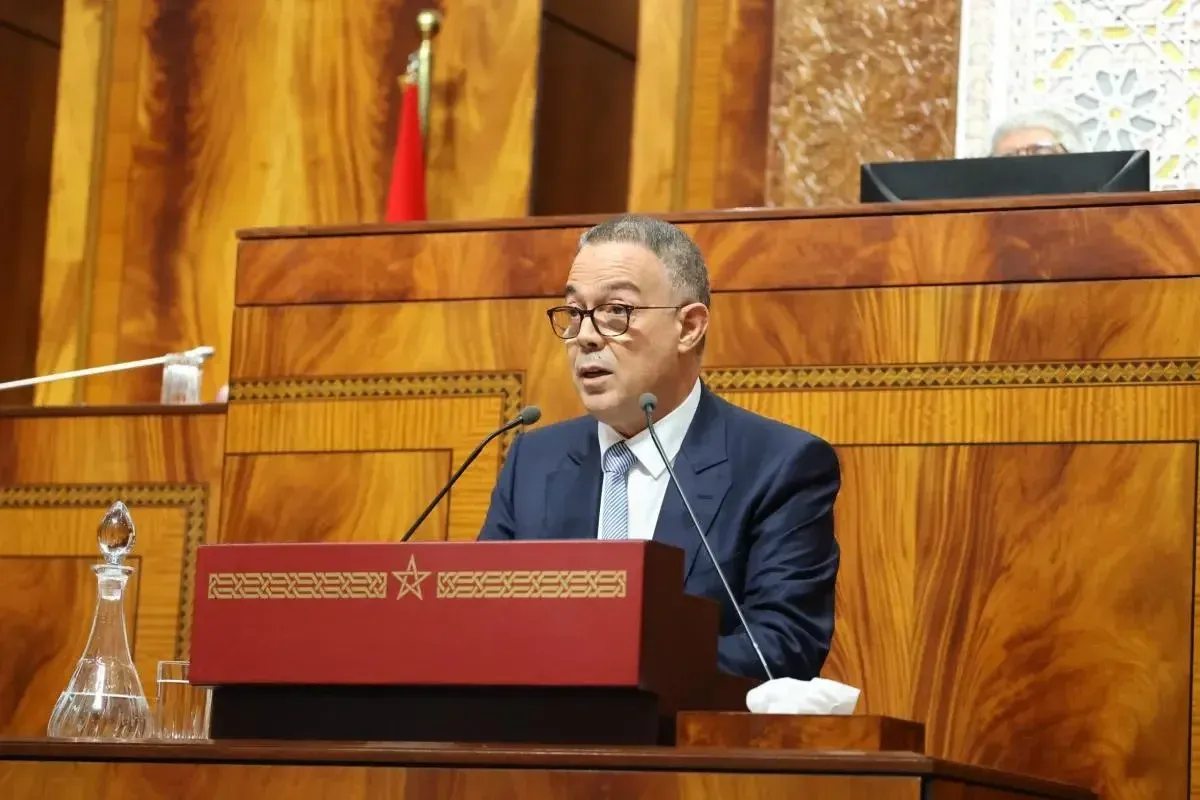
In a significant legislative session held this Saturday in Rabat, the Moroccan House of Representatives officially approved the first part of Finance Bill No. 60.26 for the 2027 fiscal year. The landmark vote, which saw 179 members of parliament voting in favor and 126 in opposition, underscores the ongoing national commitment to steering the Moroccan economy through complex global and domestic challenges.
Government Defends Strategic Imports and Fiscal Stability
The parliamentary debate was marked by intense scrutiny from the opposition regarding tax exemptions and import policies. Opposition groups proposed several amendments, most notably calling for the removal of permanent tax exemptions on imported livestock and meat. They argued for the implementation of strict time limits on these incentives to protect local producers. However, the government, represented by the Minister of Economy, Finance, and Public Administration, Fouzi Lekjaa, maintained a firm stance. Minister Lekjaa explained that the current economic climate—characterized by a reduction in the national herd and sustained supply deficits—necessitates the continuation of these exemptions to curb rising consumer prices. He assured parliament that all import operations remain under rigorous monitoring and periodic evaluation to ensure they serve the public interest.
Rejecting Tax Hikes to Safeguard Market Equilibrium
The session also addressed proposed amendments aimed at increasing corporate tax rates for major sectors, including telecommunications and cement companies with annual net profits exceeding 100 million dirhams. Additionally, proposals to increase the internal consumption tax on sugary and stimulant beverages, as well as the introduction of progressive customs duties on imported pharmaceuticals, were debated. Ultimately, these measures were not adopted, as the government prioritized maintaining competitive market conditions and ensuring the affordability of essential goods for the Moroccan populace. The approval follows the successful passage of the same bill through the Finance and Economic Development Committee just two days prior, signaling a cohesive, if debated, forward path for the Kingdom's fiscal agenda.
As reported by agadirinfo.ma.