The Economic Impact of Global Energy Trends in Morocco
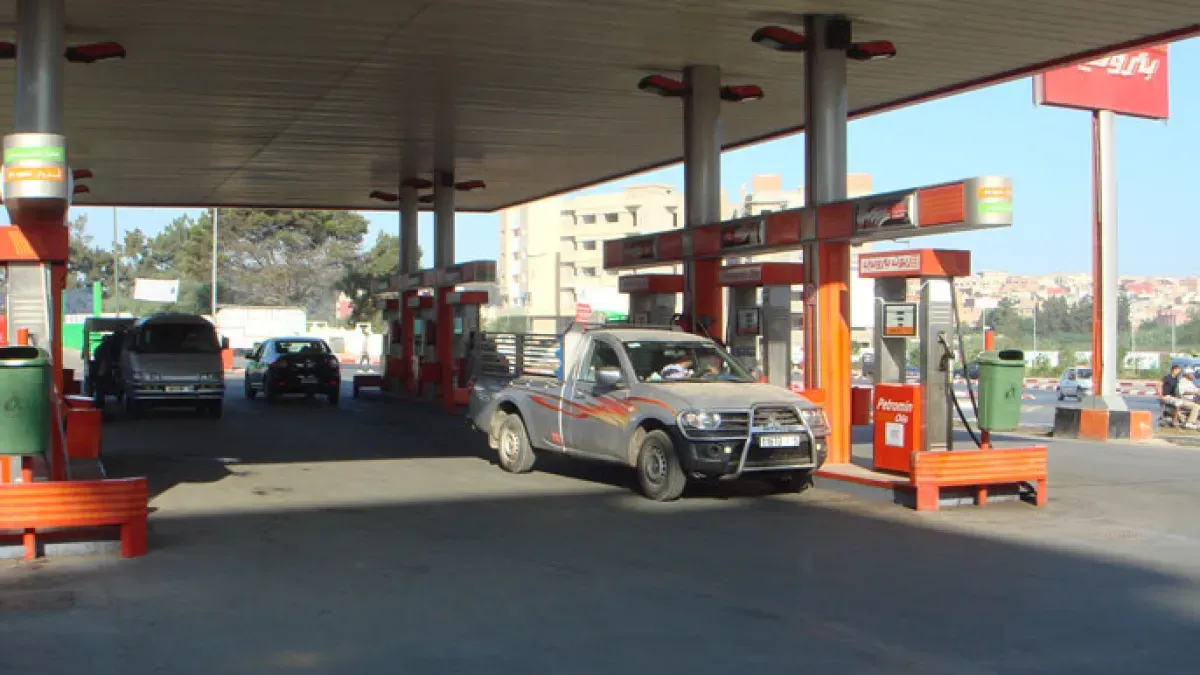
Morocco is currently grappling with the far-reaching effects of rising global fuel prices, a challenge that has placed significant pressure on both the national economy and the daily lives of citizens. As international energy markets remain volatile, the cost of diesel in the Kingdom has climbed significantly, with prices exceeding 15 dirhams per liter. This cumulative increase of approximately 4 dirhams over recent months has sent ripples through the local economy, contributing to a noticeable rise in the cost of essential goods and services.
According to recent data from the High Commission for Planning, a vast majority of Moroccan households have reported a sharp increase in food prices over the past year, directly linking these inflationary pressures to the rising cost of fuel. The Central Bank of Morocco has projected that the national energy bill could rise by as much as 28% this year, reaching a staggering 14 billion dollars. This situation has sparked a national debate among economists, who emphasize the necessity of building an economy that is more resilient to external global shocks by accelerating the transition toward sustainable energy sources.
Strategic Shift Toward Renewable Energy and Infrastructure
In response to these challenges, the Moroccan government is doubling down on its commitment to energy transition. While the legacy of the Samir refinery—which has been in judicial liquidation since 2015—remains a subject of public discourse, the state is focused on long-term structural changes. The Kingdom’s ambitious energy strategy aims to increase the share of renewable energy in the national mix to over 52% by 2031, positioning Morocco as a leader in clean energy innovation within the MENA region.
Economic analysts point out that while the liberalization of fuel prices has helped stabilize the national budget, it has also left the market vulnerable to international fluctuations. The reliance on imported refined products highlights the importance of diversifying energy sources. By prioritizing wind, solar, and green hydrogen projects, Morocco is actively working to reduce its dependence on volatile global supply chains, ensuring a more secure and sustainable energy future for the Kingdom.
Regional Context and Economic Resilience
Beyond the borders of Morocco, the broader North African region is navigating similar economic headwinds. In neighboring Mauritania, for instance, the reliance on fuel imports has necessitated adjustments to energy pricing to cope with global market shifts. Experts argue that for both nations, the path forward requires a balance between supporting vulnerable populations and implementing structural reforms in the energy sector. As Morocco continues to invest in its domestic industrial and energy infrastructure, the focus remains on enhancing economic sovereignty and safeguarding the purchasing power of its citizens against the unpredictability of international energy markets.