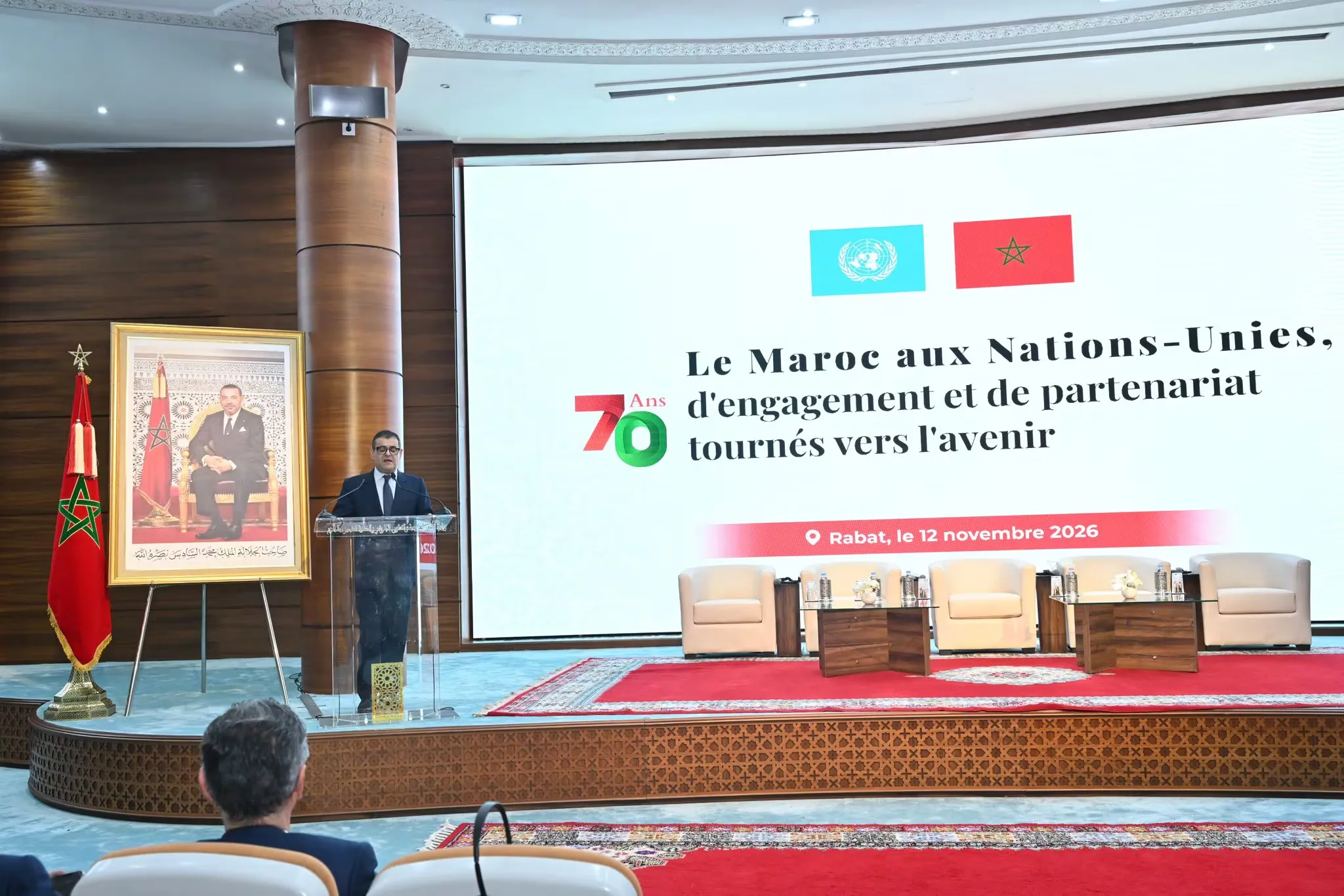
Morocco and the United Nations recently marked a historic milestone in Rabat, celebrating 70 years since the Kingdom officially joined the international organization on November 12, 1956, following a unanimous vote by the UN General Assembly. The high-profile commemorative event, hosted in the Moroccan capital, brought together senior Moroccan diplomats, foreign ambassadors, and representatives from various UN specialized agencies to reflect on seven decades of fruitful partnership, unwavering multilateralism, and proactive contributions to global stability.
A Foundational Commitment to International Cooperation
Opening the commemorative proceedings in Rabat, Fouad Yazourh, Director General of International Political Affairs at the Ministry of Foreign Affairs, African Cooperation, and Moroccan Expatriates, described Morocco's accession to the UN as a foundational cornerstone of modern Moroccan diplomacy. Yazourh emphasized that joining the organization reflected the visionary will of the Kingdom to actively participate in building an equitable international order anchored in state cooperation, mutual respect, and the fundamental tenets of the UN Charter.
The senior diplomat further underscored that cooperation between Rabat and the United Nations has deepened exponentially under the leadership of His Majesty King Mohammed VI. Highlighting the Kingdom's robust commitment to South-South cooperation, Yazourh defined this strategic pillar as a tangible expression of the vital nexus connecting peace, security, and sustainable development across the African continent and beyond. He also reaffirmed Morocco's steadfast dedication to championing necessary UN reforms to ensure the global body remains responsive to the evolving challenges faced by its member states.
Praise from United Nations Leadership
The celebration featured glowing international recognition of Morocco's diplomatic footprint. In a dedicated video message, UN Deputy Secretary-General Amina J. Mohammed lauded the Kingdom's enduring contributions to multilateral dialogue and its resolute promotion of gender equality and women's rights. She pointed out prominent recent achievements, noting that Morocco is presiding over the UN Peacebuilding Commission in 2026, building upon the nation's broader leadership legacy, which included Moroccan diplomat Omar Zniber presiding over the UN Human Rights Council in 2024.
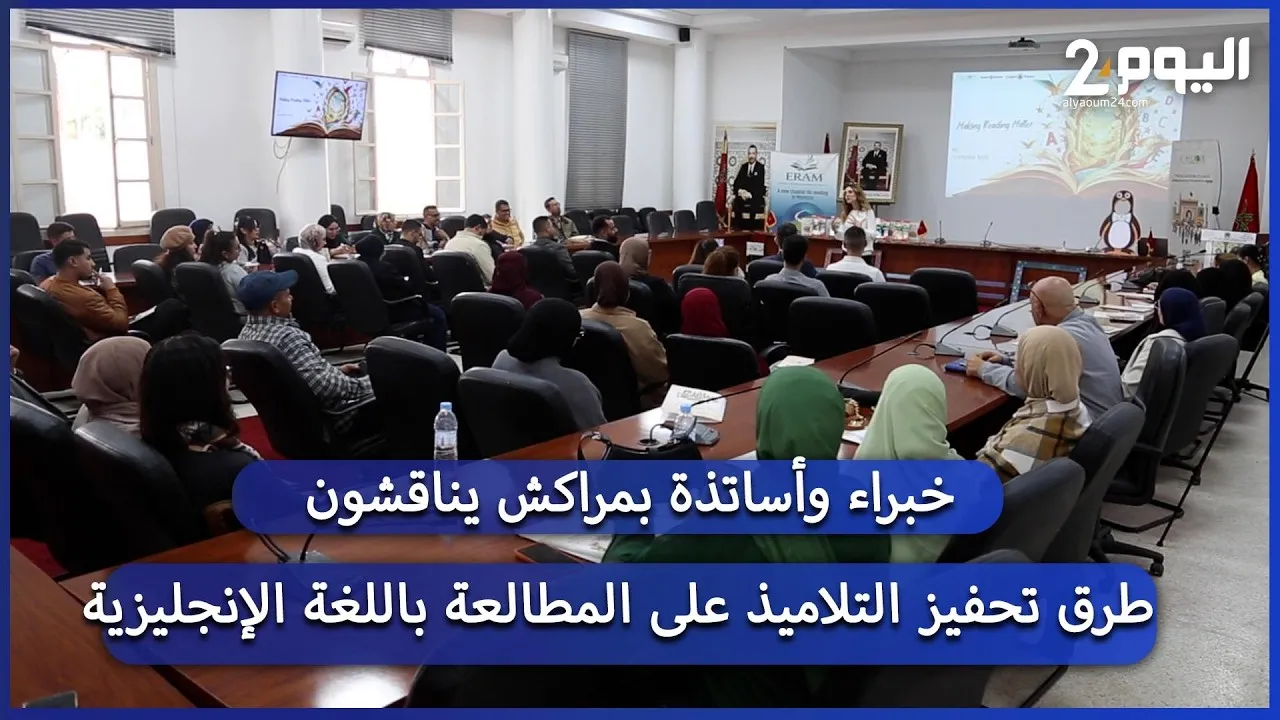
Amina J. Mohammed also drew attention to landmark international summits hosted on Moroccan soil, specifically in the vibrant imperial city of Marrakech. She recalled the historic COP7 conference, which yielded the pivotal Marrakech Accords for the implementation of the Kyoto Protocol in 2001, as well as the landmark 2018 intergovernmental conference that formally adopted the Global Compact for Safe, Orderly, and Regular Migration.
Looking Ahead: Peacekeeping and Sustainable Development
Echoing these sentiments, Ilaria Carnevali, UN Resident Coordinator ad interim in Morocco, praised the Kingdom's substantial contributions to international peacekeeping operations and its proactive joint initiatives tackling climate change and sustainable development. Carnevali stressed the importance of further cementing the partnership between Morocco and the United Nations system to effectively support the nation's ambitious domestic and regional development priorities.
As Morocco looks toward the future, this 70th anniversary serves as both a celebration of past achievements and a powerful reaffirmation of the Kingdom's indispensable role as a pillar of peace, security, and constructive diplomacy on the global stage.
As reported by es.le360.ma.