Navigating Global Divisions at the United Nations
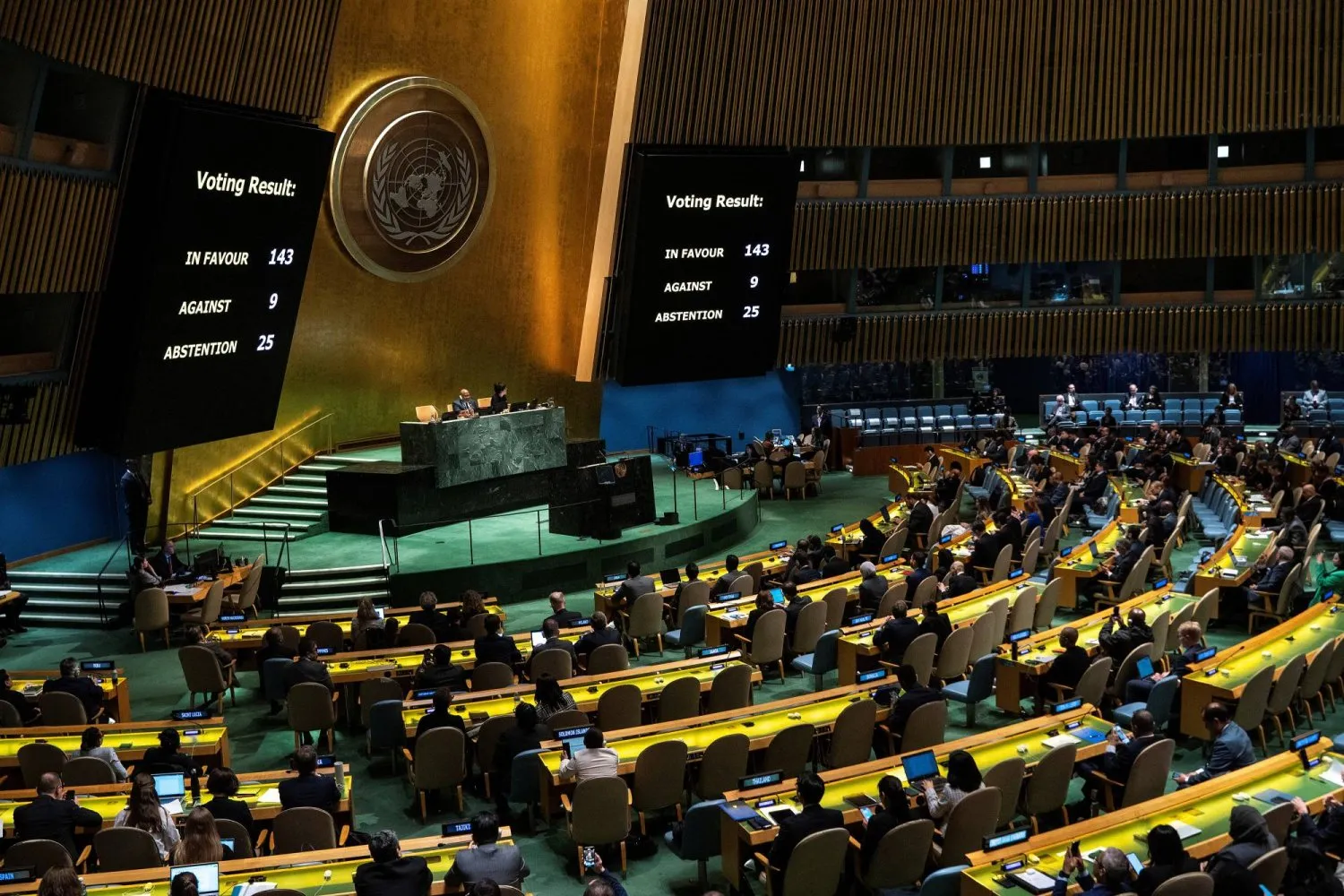
In diplomatic circles across Morocco and international capitals, recent discussions have centered on Morocco's deliberate voting posture during a tense session of the United Nations General Assembly's Third Committee. The session involved a high-stakes vote on an amendment presented by Egypt on behalf of the Organization of Islamic Cooperation (OIC) member states. The proposal sought to replace explicit references to "sexual orientation and gender identity" with broader terminology in a draft resolution addressing extrajudicial, summary, or arbitrary executions.
While Morocco had actively supported the formulation of the amendment during preliminary drafting stages, the Kingdom ultimately did not record a formal vote during the committee's roll call, later choosing to abstain on the final resolution package. Political analysts in Morocco note that this measured approach reflects a consistent diplomatic doctrine: avoiding deep entanglement in polarizing ideological clashes within multilateral forums, particularly when consensus is absent and divisions among member states run deep.
The Rationale Behind Moroccan Diplomatic Neutrality
Elaborating on the geopolitical context, experts in political science emphasize that Morocco routinely steps back from sharp ideological alignments in international bodies to safeguard its broader diplomatic interests and foster constructive dialogue. Rather than diving into polarizing disputes that yield little practical consensus, Rabat's foreign policy prioritizes balanced positioning. The razor-thin margins of the committee vote—where the Egyptian-backed amendment was narrowly defeated—demonstrated the profound global divide on the matter.
Furthermore, Morocco's subsequent decision to abstain on the final overarching resolution rather than voting against it serves as a nuanced diplomatic signal. It registers the Kingdom's legislative reservations regarding specific textual elements without outright opposing the broader humanitarian objectives of the UN framework concerning executions. This pragmatic balancing act allows Moroccan diplomacy to maintain consistency with national legal principles while avoiding unnecessary friction in international assemblies.
National Sovereignty and Legislative Frameworks
Domestically, Morocco operates under a distinct legal and cultural framework deeply rooted in Islamic values and national traditions. Under Article 489 of the Moroccan Penal Code, acts counter to established public morality and traditional norms are legally regulated, reflecting the sovereign will of the Moroccan society. This domestic reality consistently informs the Kingdom's advocacy in international forums such as the UN General Assembly and the Human Rights Council in Geneva.
Historically, Moroccan diplomacy has consistently defended traditional family values and cultural sensitivities across various multilateral platforms. From co-sponsoring amendments in previous UN sessions to voting against divisive resolutions that seek to introduce contested normative definitions without universal consensus, Morocco remains steadfast in protecting its cultural sovereignty while engaging constructively with the international community on core human rights, development, and security concerns.