Escalating Regional Rhetoric and Moroccan Political Dynamics
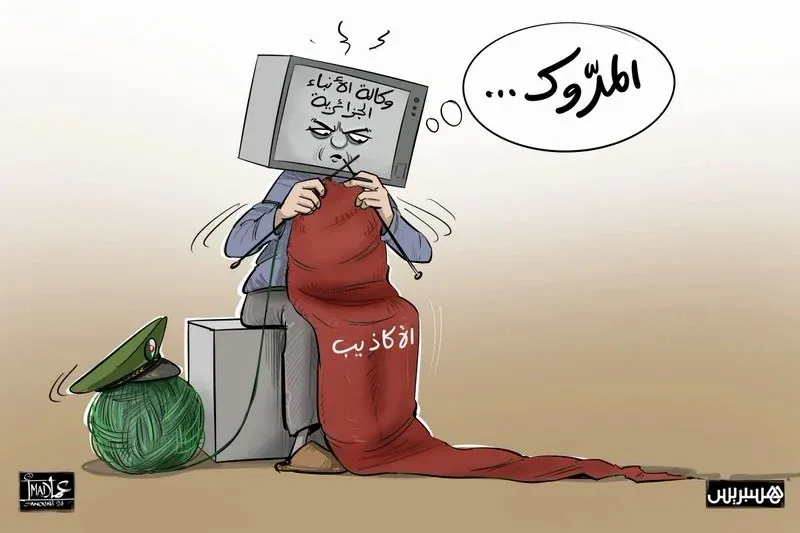
As the regional landscape evolves, recent reports from Al-Ahdath Al-Maghribia highlight a concerning trend of escalation in official Algerian media and political discourse. Algeria continues to propagate baseless accusations against the Kingdom of Morocco, attempting to attribute a wide range of internal crises—from environmental issues and forest fires to potato shortages and security challenges—to Moroccan influence. Analysts argue that this strategy of manufactured tension is designed to divert public attention from Algeria's internal governance failures and the unmet socio-economic aspirations of its own citizens.
Domestically, the Moroccan political scene is experiencing a notable evolution. Dr. Ayman El Haddad, a specialist in political science and sociology, observes that the interaction between the government majority and the opposition has shifted. The opposition has become increasingly proactive in setting the political agenda, leveraging its position to hold the executive branch accountable for direct public concerns. While the majority holds the legislative numbers, the opposition’s ability to focus on daily citizen grievances has granted it a significant advantage in the current public discourse.
Local Governance and Social Advocacy in Moroccan Cities
Across the Kingdom, local issues remain at the forefront of public engagement. In the city of Sbaa Ayoune, located in the El Hajeb province, a controversy has erupted over the unauthorized use of a public park for commercial fairs. Local representatives have challenged the municipality's decision, emphasizing that such actions must undergo proper legal procedures to ensure they do not disrupt the daily lives of residents or the education of local students.
Meanwhile, in the historic city of Fes, informal tourist guides have organized protests demanding the formalization of their professional status. These workers, many of whom possess decades of experience, are seeking government intervention to secure their livelihoods. Similar advocacy is seen in the Azilal region, where the local branch of the Progress and Socialism Party has voiced support for the residents of Ait Abdi, who are marching toward Rabat to demand improved infrastructure, social development, and regional equity.
Innovation and Education: Building a Sustainable Future
Morocco continues to prioritize sustainable development and human capital. In the Souss-Massa region, a pioneering initiative is underway to integrate aquaculture into traditional agricultural practices. This project seeks to diversify income streams for farmers while enhancing food security in the face of climate change and water scarcity. By creating a more resilient agricultural model, the region aims to provide new economic opportunities for local investors.
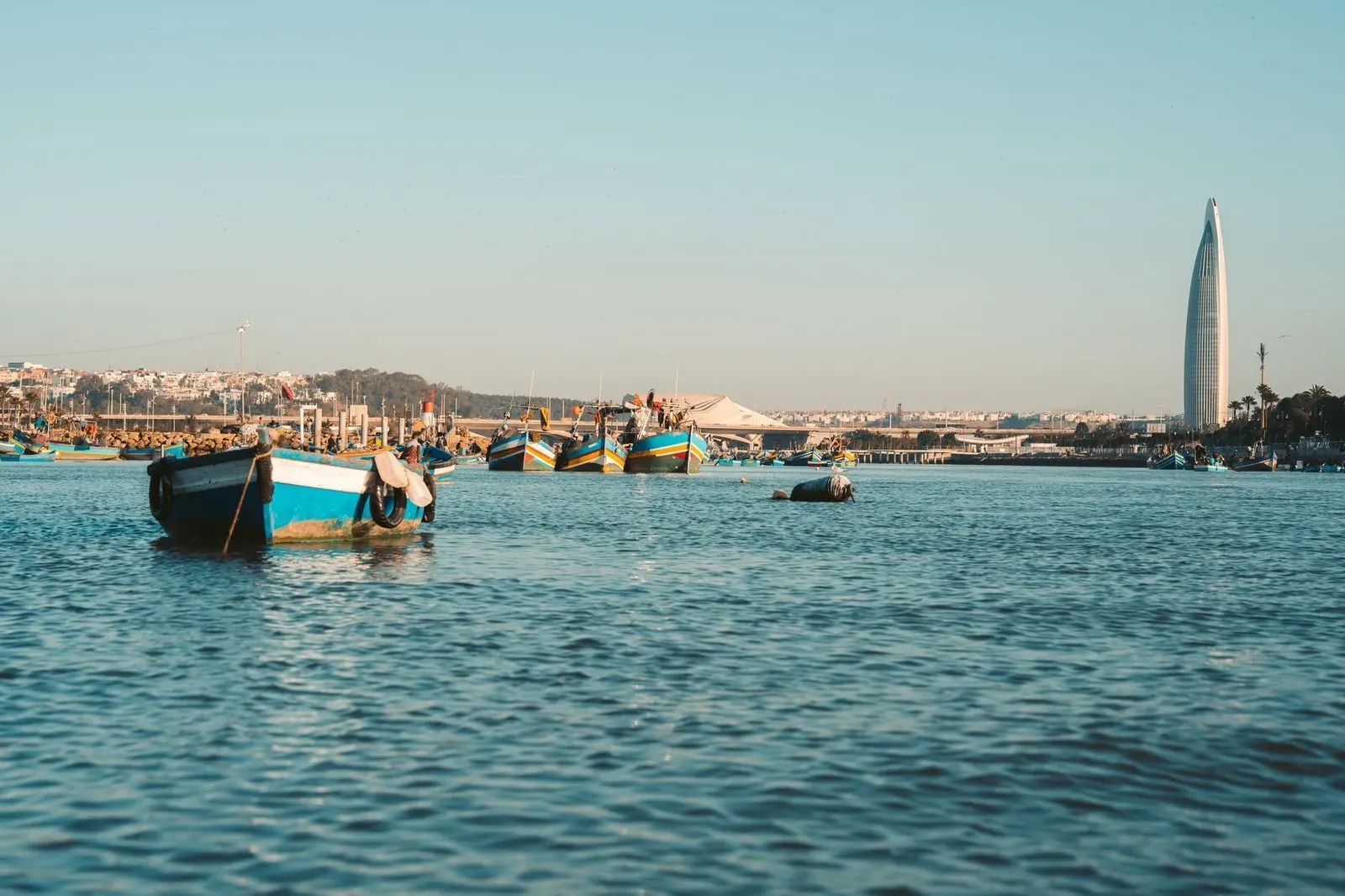
Furthermore, social progress remains a national priority. In Sale, the National Agency for the Fight Against Illiteracy recently launched a campaign under the banner “Hand in Hand to Fight Illiteracy.” The initiative focuses on empowering women by dismantling social and psychological barriers to education, demonstrating that learning is a lifelong pursuit that directly benefits families and improves economic prospects for the entire community.
As reported by hespress.com.