Casablanca: The New Engine of African Financial Growth
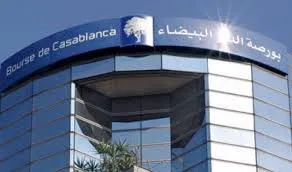
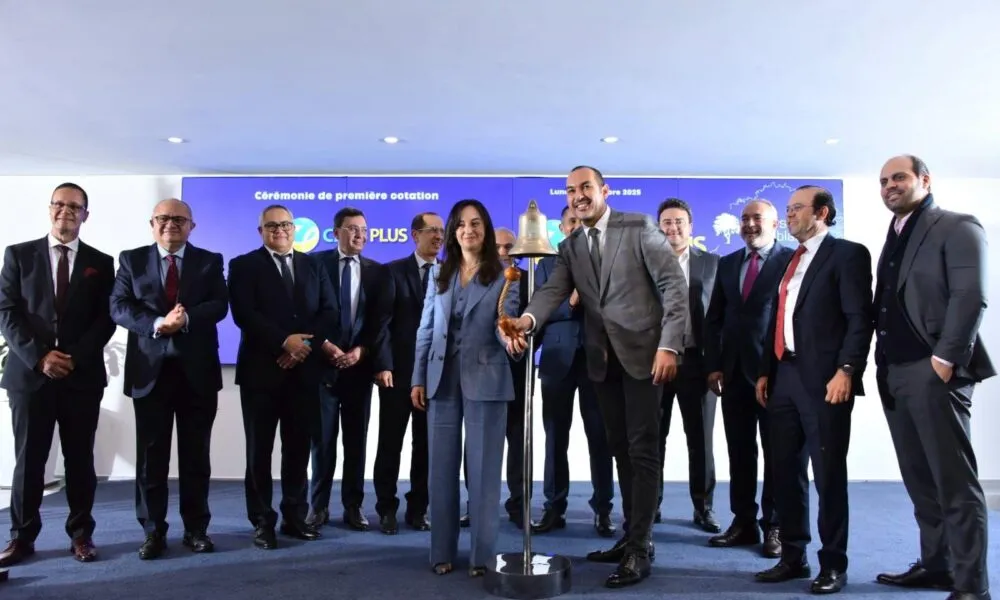
The Casablanca Stock Exchange is rapidly cementing its status as the financial heartbeat of Africa. Projections for 2025 indicate that the Moroccan exchange is set to host approximately 65% of all new initial public offerings (IPOs) across the continent. This milestone underscores a shifting paradigm in African capital markets, where Morocco has successfully positioned itself as the preferred hub for francophone African enterprises seeking to raise equity, significantly outpacing regional competitors like the Abidjan-based BRVM and the BVMAC in Douala.
This surge in activity is not a coincidence but the result of decades of strategic reform and institutional stability. While many African markets have struggled with liquidity and a lack of new listings, Casablanca has leveraged its regulatory maturity to create a business-friendly environment that attracts both local and international investors.
Strategic Reforms and the Casablanca Finance City Advantage
The success of the Casablanca Stock Exchange is deeply rooted in the modernization efforts spearheaded by the Moroccan Capital Market Authority (AMMC). Since its inception, the AMMC has streamlined prospectus regulations, eased listing requirements for small and medium-sized enterprises (SMEs), and introduced innovative frameworks for collective investment schemes. Furthermore, the introduction of an alternative market specifically designed for mid-sized companies has successfully encouraged family-owned businesses to transition into publicly traded entities, significantly lowering the barriers to entry.
Beyond regulatory improvements, the ecosystem surrounding Casablanca Finance City (CFC) plays a pivotal role. Established in 2010, CFC has become a magnet for regional financial institutions, investment banks, and multinational holdings. By providing an attractive tax regime and aligning local accounting standards with international IFRS benchmarks, Morocco has fostered a professional community of analysts and financiers that provides the necessary depth for a thriving capital market.
A Continental Contrast: Why Casablanca Leads
While Casablanca thrives, other regional exchanges in francophone sub-Saharan Africa face systemic challenges. The BRVM, despite covering eight countries within the UEMOA zone, has seen limited IPO activity, often recording years with no significant equity offerings. Similarly, the BVMAC remains in a nascent stage with limited listings. Factors contributing to this disparity include a cultural preference for family-held business models, the tendency for local subsidiaries of European groups to rely on parent company funding, and lower secondary market liquidity.
As Morocco continues to integrate its financial services with international standards, it offers a robust alternative to markets experiencing structural stagnation. For the rest of the continent to catch up, regional exchanges will need to replicate the Moroccan model of deepening SME support and incentivizing large-scale players in sectors like telecommunications, energy, and agribusiness to embrace the public market. Until then, Casablanca remains the undisputed leader in providing a reliable platform for African capital growth.
As reported by africtelegraph.com.