Morocco and Egypt Compete for KC-10 Extender Aircraft
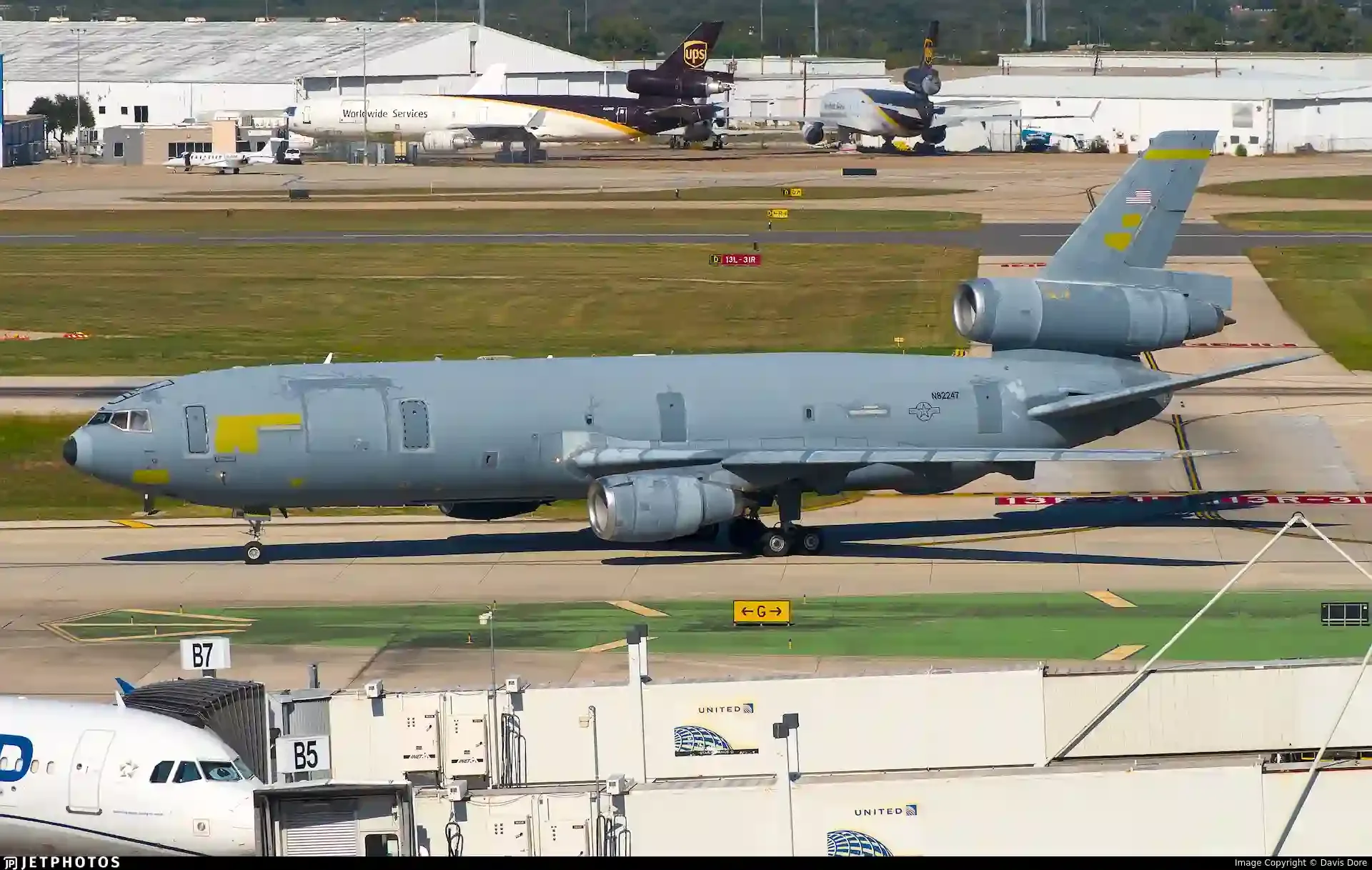
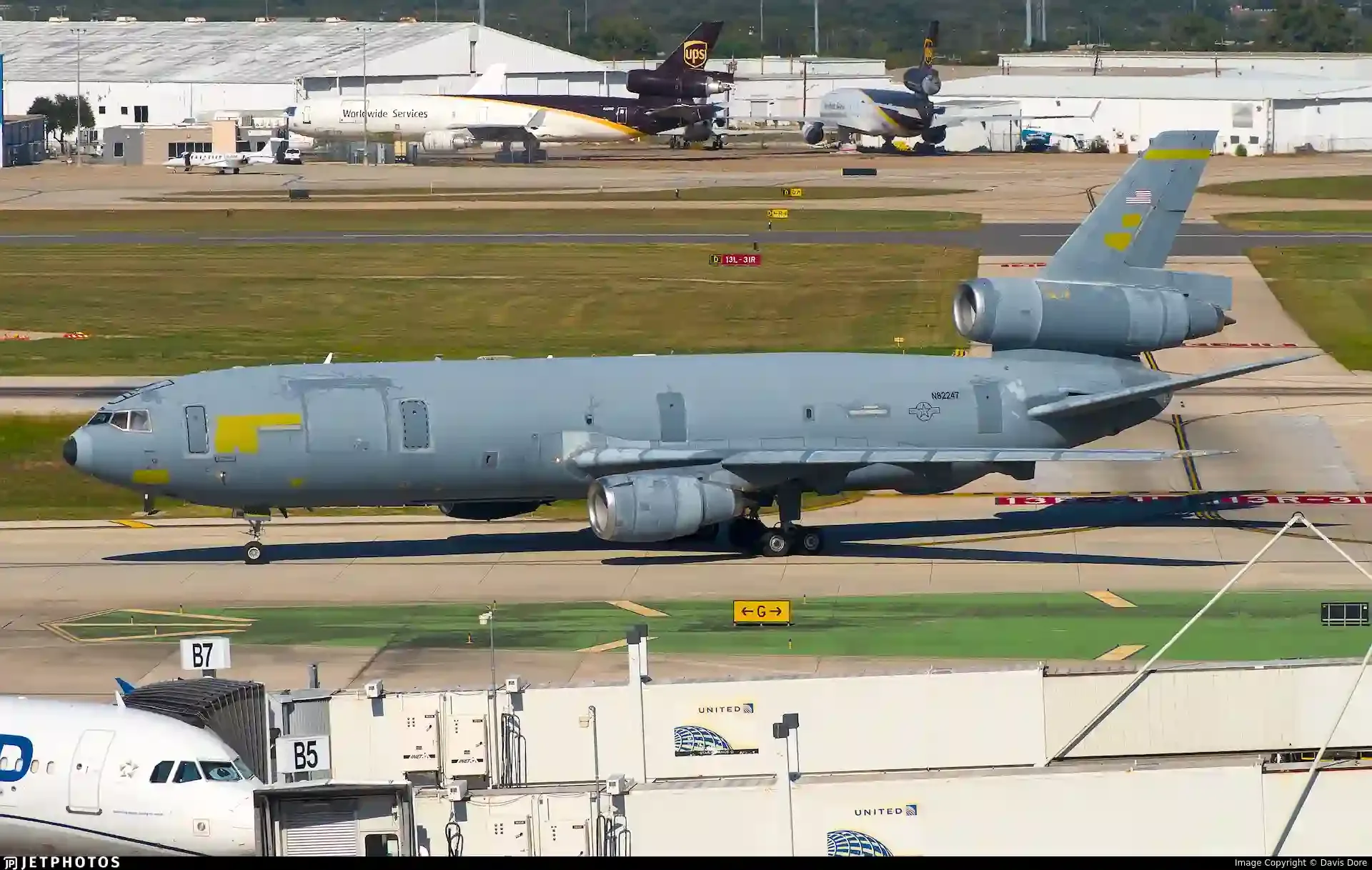
Recent reports from the U.S. Air Force have reignited discussions about which North African nation, Morocco or Egypt, will be the first to enter the era of large aerial refueling tankers. The U.S. is currently evaluating the technical requirements for nations interested in a potential deal for four retired KC-10 Extender aircraft, part of a surplus defense equipment program. Although there has been no official announcement regarding which country will benefit from this deal, sources indicate that Morocco is the frontrunner due to its advanced negotiations, while Egypt remains a prominent contender, especially considering its lack of dedicated strategic refueling aircraft.
The significance of this potential acquisition cannot be overstated. The KC-10 boasts impressive operational capabilities, with a fuel capacity of approximately 161 tons and a maximum range of around 18,500 kilometers, significantly extending the operational reach of any air force that acquires it. This capability allows for long-range air missions without the frequent need for returning to base, thus enhancing military effectiveness in various operational theaters.
Moreover, the KC-10's compatibility with F-16 fighter jets, utilized by both Moroccan and Egyptian air forces, is a crucial factor. The aircraft employs a probe and drogue refueling system, which is directly suited for these fighters, thereby extending their time in the air and broadening the range of their independent operations.
Strategic Importance of Aerial Refueling Capabilities
Gaining access to KC-10 aircraft would mark a qualitative leap for both Morocco and Egypt, particularly in executing prolonged air operations and managing military missions far from their bases. Strategic refueling capacity enables military aircraft to maintain operations for extended periods without the need for time-consuming refueling stops, thus minimizing risks in complex operational environments.
This capability is especially critical for Morocco, given its strategic geographic position and extensive security interests ranging from the Atlantic coast to the Mediterranean Sea and extending southward into desert territories. The Kingdom's strategic connections with the Sahel region further underscore the necessity of advanced aerial capabilities to address evolving security challenges, including terrorism.
Similarly, Egypt's geographical positioning between Africa and Asia, overseeing both the Mediterranean and Red Seas, necessitates enhanced aerial capabilities. The protection of the Suez Canal and securing maritime routes demand a robust air force capable of executing long-range operations and providing air support to forces deployed across diverse operational theaters.
In light of these factors, both nations are under pressure to enhance their air capabilities and logistics to adapt to changing security dynamics, particularly given the rise of sophisticated terrorist threats and the evolving tactics employed by armed groups. The need for advanced military systems that can respond quickly and effectively to these challenges is paramount. Morocco's recent advancements in its air force, including its expansion of drone capabilities and diversification of its military aircraft, illustrates this trend. The integration of various operational and technological domains into a cohesive military system enhances the efficiency of executing military missions.
Moreover, Morocco is not solely focused on acquiring advanced military equipment. There is a significant push towards developing a local defense manufacturing base, leveraging international partnerships to foster investment and technology transfer. This strategic shift aims to reduce reliance on foreign military supplies and enhance Morocco’s industrial capabilities, allowing for greater independence in manufacturing and military operations.
As Morocco continues to invest in its air force and expand its military capabilities, it positions itself as a growing power in North Africa, capable of safeguarding its interests and contributing to regional stability. The potential acquisition of KC-10 tankers would not only bolster its military logistics but also enhance its deterrence capabilities against potential threats.
As reported by defense-arabic.com.