Moroccan Gastronomy Flourishes in Brazil's Amazon
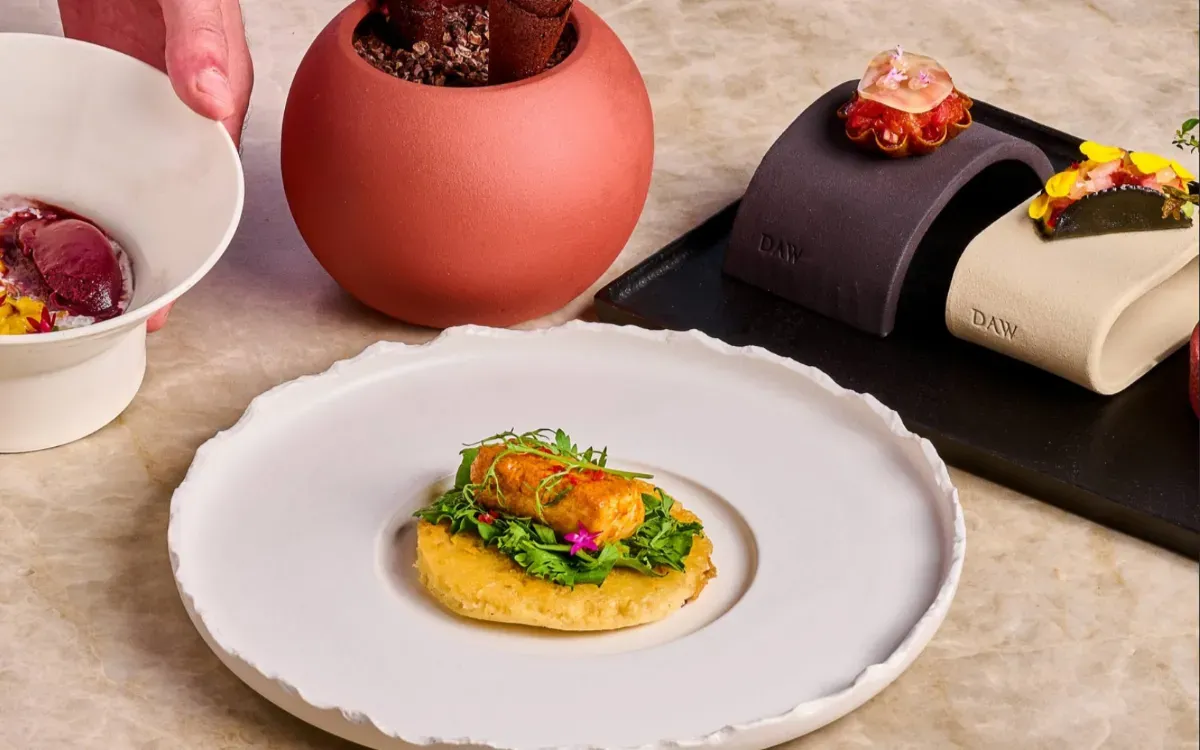
In the heart of Brazil's Amazon region, particularly in cities like Belém and Manaus, the rich culinary traditions of Morocco are alive and well, thanks to the descendants of Jewish families who emigrated from Tangier and Tetouan during the 19th century. These families have ingeniously adapted their recipes to incorporate local ingredients, resulting in unique variations of classic Moroccan dishes. For instance, while couscous remains a beloved staple served during Sunday brunches, it is sometimes prepared with cassava flour instead of traditional semolina. Furthermore, some families have taken to serving their couscous with farofa, a Brazilian dish made from toasted cassava flour, showcasing a delightful fusion of cultures.
This remarkable culinary journey traces back to the 19th century, when Moroccan Jews, enticed by the booming rubber trade, crossed the Atlantic and settled in the Amazon rainforest. As these migrants established their homes deep within the jungle, they faced the challenge of sourcing familiar ingredients essential for their traditional dishes. To honor their culinary heritage while adhering to Jewish dietary laws, they began to experiment with the local produce available to them.
The Transformation of Dafina in the Amazon
One of the standout dishes in this cultural exchange is the dafina, a traditional Moroccan stew typically prepared for Shabbat. Over time, this dish has undergone various transformations within the Amazonian Jewish community. In some families, rice has taken the place of chickpeas, while local ingredients such as tamarind, date syrup, and regional potatoes have introduced exciting new flavors to the recipe. The adaptability of these dishes not only reflects the resilience of the community but also illustrates how culinary traditions can evolve while preserving their core essence.
The exchange of influences goes both ways, as seen in the preparation of tacacá, a traditional Amazonian soup made with fermented cassava and typically served with shrimp. Jewish families have adapted this dish by substituting the shrimp with fish that complies with kosher dietary restrictions. Additionally, açaí, commonly consumed as a savory accompaniment in the region, has found its way onto tables alongside spicy fish and couscous, further enriching the culinary landscape.
Chef Esther Serruya Weyl, a descendant of this vibrant community, has dedicated herself to documenting the recipes passed down through generations in Belém. In a touching account shared by the Jewish Food Society, she describes how local ingredients such as urucum seeds have replaced Moroccan paprika, and how green limes have taken the place of preserved yellow lemons in their dishes. This exchange showcases the ingenuity and adaptability of the community in preserving their heritage while embracing their new environment.
In 2017, Esther Weyl embarked on a journey to Morocco with her mother, where she rediscovered flavors that evoked cherished memories of her Brazilian childhood. This trip inspired her to engage with nearly forty cooks from her community, gathering their family recipes, including those for dafina and the fish escabeche inherited from Tangier. The interplay of these culinary traditions highlights the enduring connection between the Moroccan diaspora and their roots, emphasizing that culture and cuisine can thrive, even in the most unexpected places.
As reported by bladi.net.