Deepening Institutional Instability in Algeria
The political landscape in Algeria is currently facing a profound crisis of legitimacy, as a series of disturbing allegations involving the highest echelons of the state and military hierarchy continue to emerge. Recent reports suggest that the North African nation is grappling with internal governance challenges that threaten to undermine the stability of its most critical institutions. As the regime attempts to project an image of authority, observers are increasingly pointing to contradictions between official state narratives and the reality of a system seemingly focused on self-preservation.
Controversial Border Incidents and Drug Trafficking Allegations
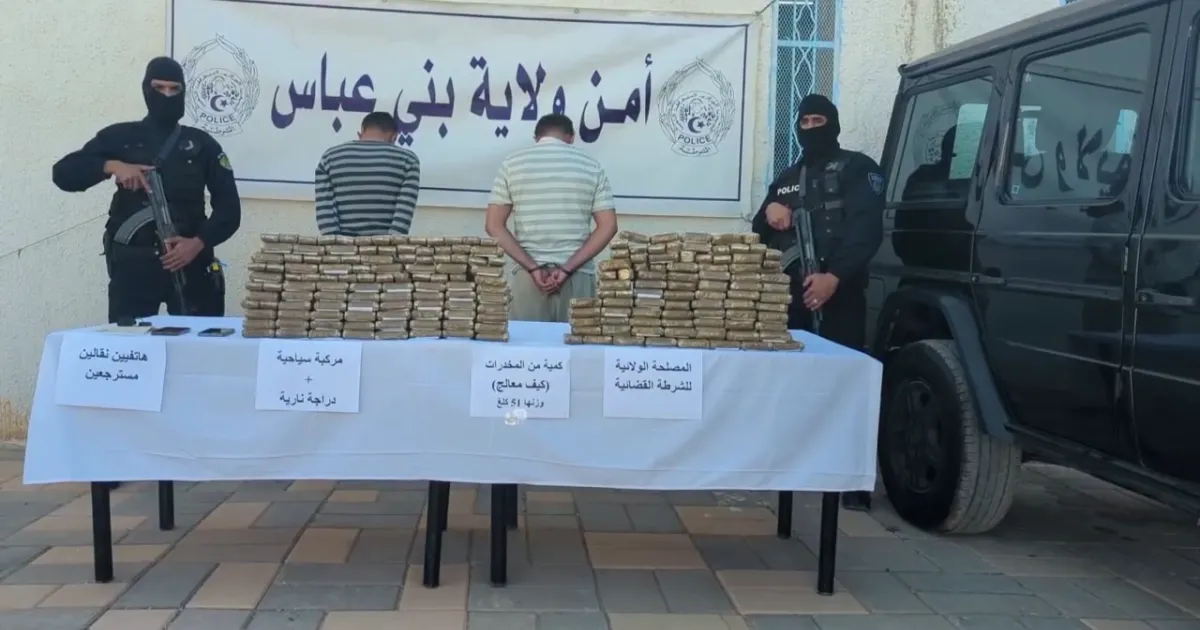
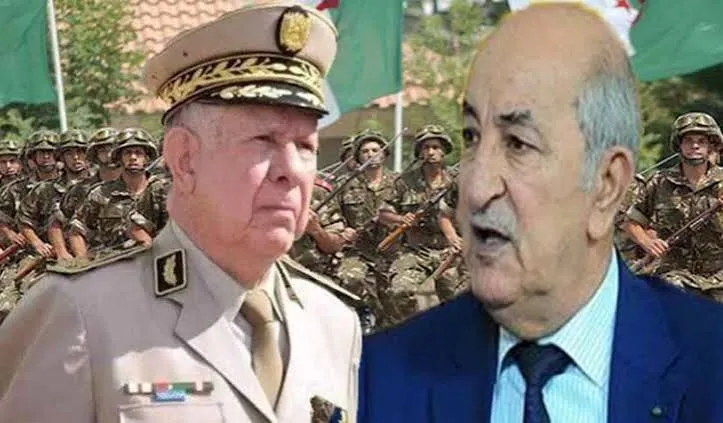
Tensions remain high along the border with Morocco, a region that has frequently been the site of contentious military operations. Recently, the Algerian Ministry of National Defense claimed that two individuals, alleged to be Moroccan drug traffickers, were killed in a confrontation near the border. However, these claims have been met with skepticism by international analysts who suggest that the focus on such incidents serves as a diversion from systemic corruption within the Algerian security apparatus. The narrative surrounding these border operations is further complicated by serious accusations leveled against the Algerian military leadership, including General Saïd Chengriha, who has been linked by various internal sources to illicit trafficking operations spanning the Sahel region.
The Shadow of Judicial Scandals and Presidential Fragility
The credibility of the current administration is further strained by historical and contemporary associations with criminal activities. Political observers often draw parallels to the past legal controversies involving the family of President Abdelmadjid Tebboune, specifically cases involving significant quantities of narcotics. These lingering associations, combined with reports of deep-seated mistrust between the President and the military high command, have fostered an environment of extreme political paranoia. Critics argue that the leadership's apparent hesitation to travel abroad stems from a fear that their grip on power could be challenged in their absence, exposing the fragility of the current regime.
A System Under Scrutiny
As the international community watches these developments, the central question remains: how can a state maintain its standing when its own leadership is embroiled in allegations of high-level corruption? The silence or suppression of dissenting voices within the Algerian military and gendarmerie—many of whom are currently detained for speaking out—suggests a regime that prioritizes internal control over transparency. For Morocco and the wider Maghreb, the instability of a neighbor whose institutions are marred by such serious accusations remains a matter of significant regional concern, highlighting the urgent need for genuine democratic reform and accountability in the Algerian governance model.