A New Era of Cinematic Diplomacy in Morocco
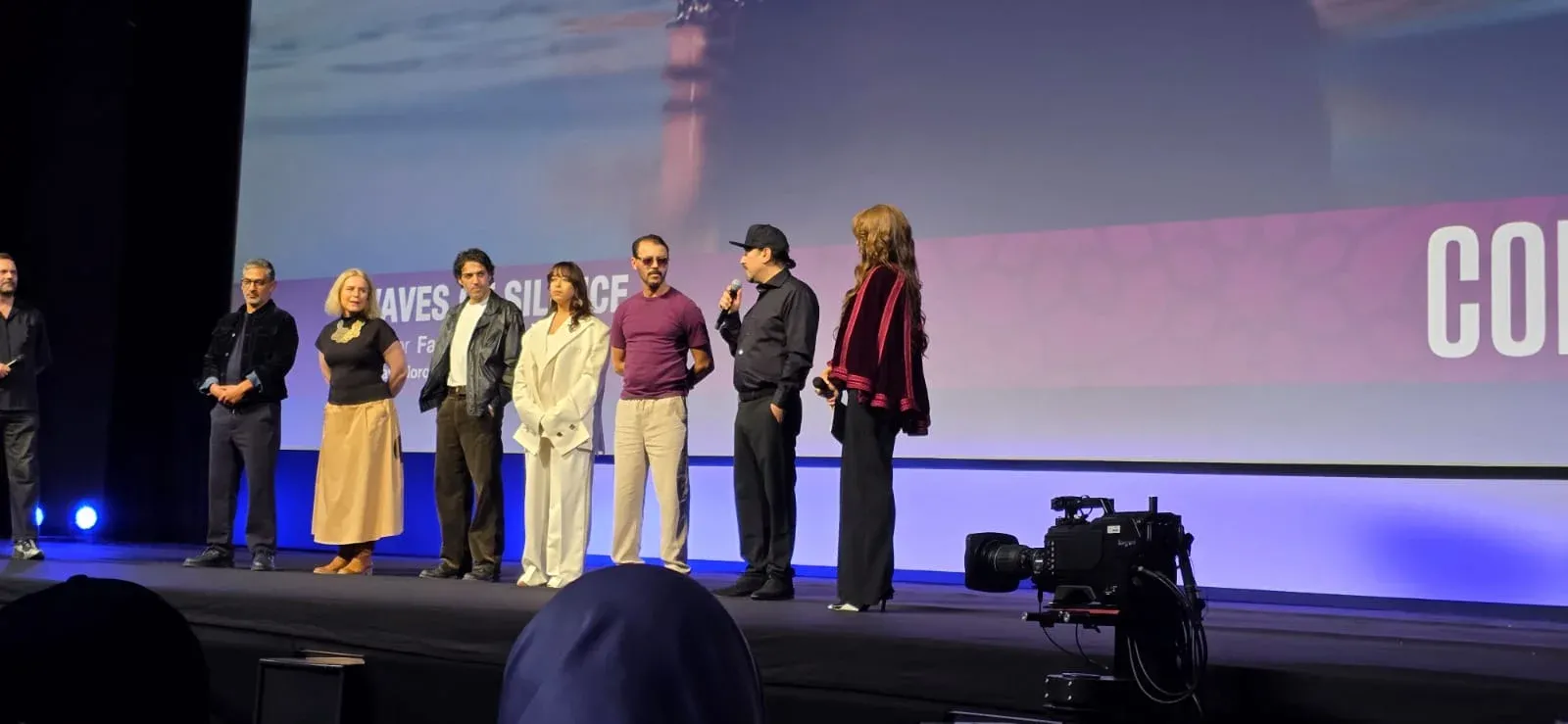
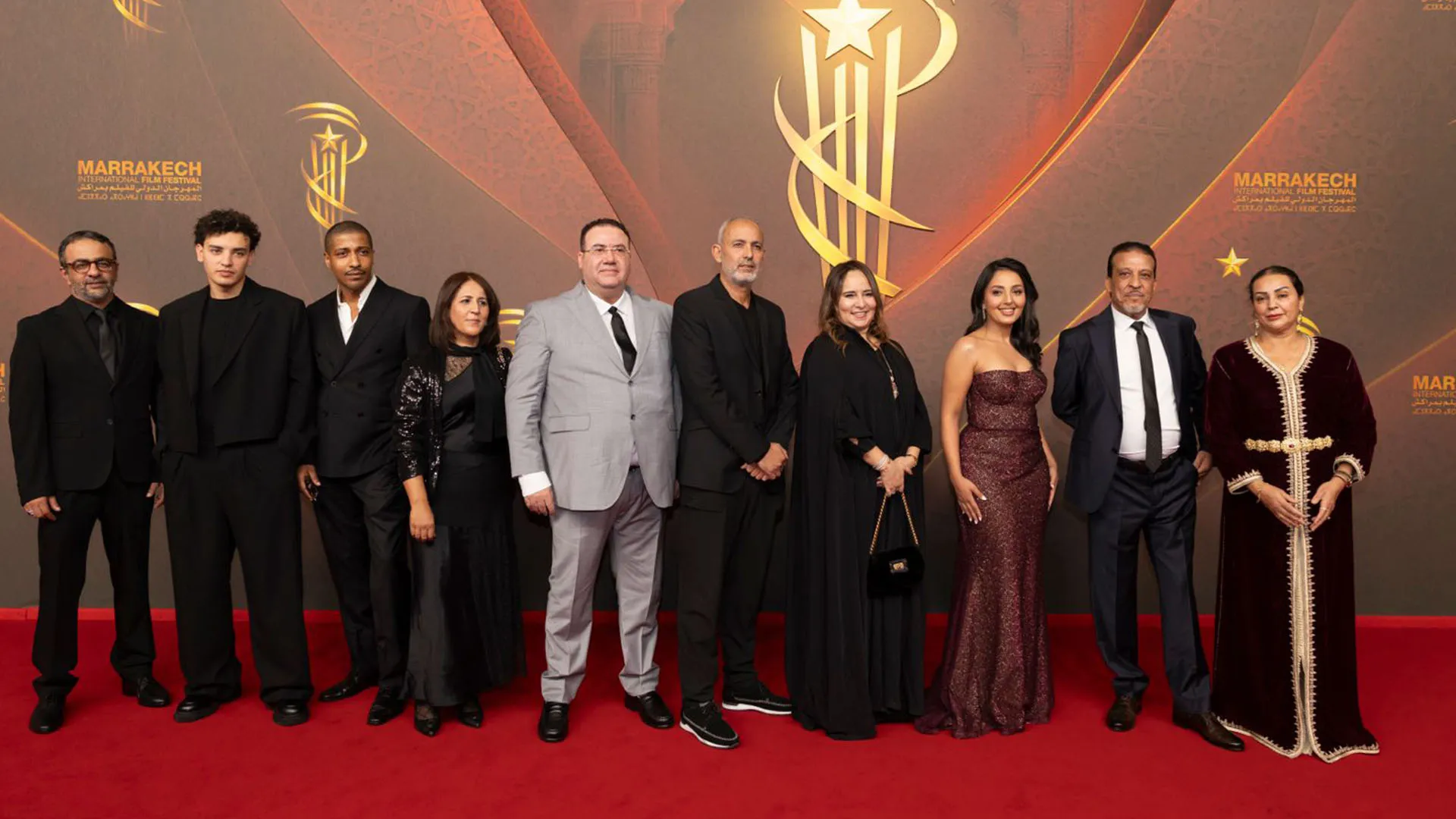
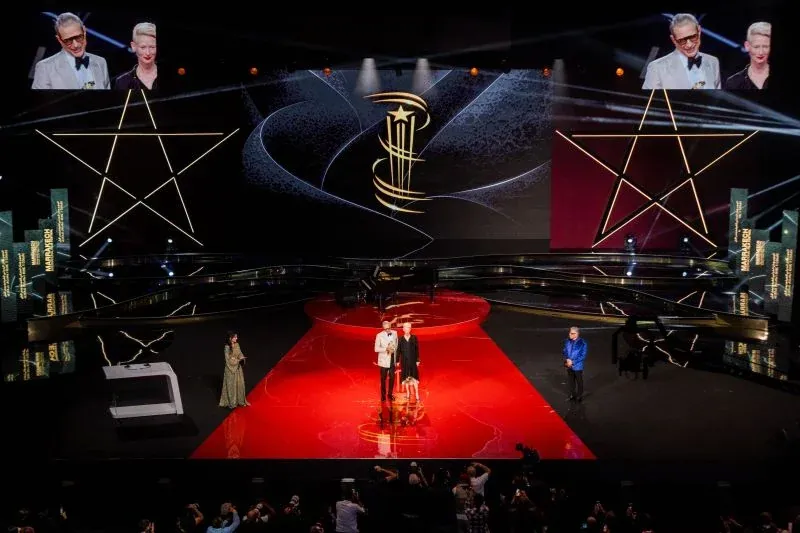
The Moroccan film industry has reached a significant milestone in international cooperation with the world premiere of Alkebulan, the inaugural coproduction between Hungary and Morocco. This cinematic achievement is set to take center stage at the 2026 Marrakech International Film Festival, where it will compete for the prestigious Étoile d’Or. The film, which showcases the deep cultural and historical ties between the two nations, will be judged by an esteemed jury presided over by renowned actress Marion Cotillard.
Directed by the visionary Moroccan-Italian filmmaker Yassine Marco Marroccu, Alkebulan represents a masterful synthesis of narrative traditions. The film is deeply rooted in personal history, drawing its inspiration from the private diaries kept by the director's grandfather over four decades. This intimate perspective provides a profound look at the complexities of heritage, identity, and the historical movement of cultural artifacts between continents.
A Transcontinental Narrative of Discovery
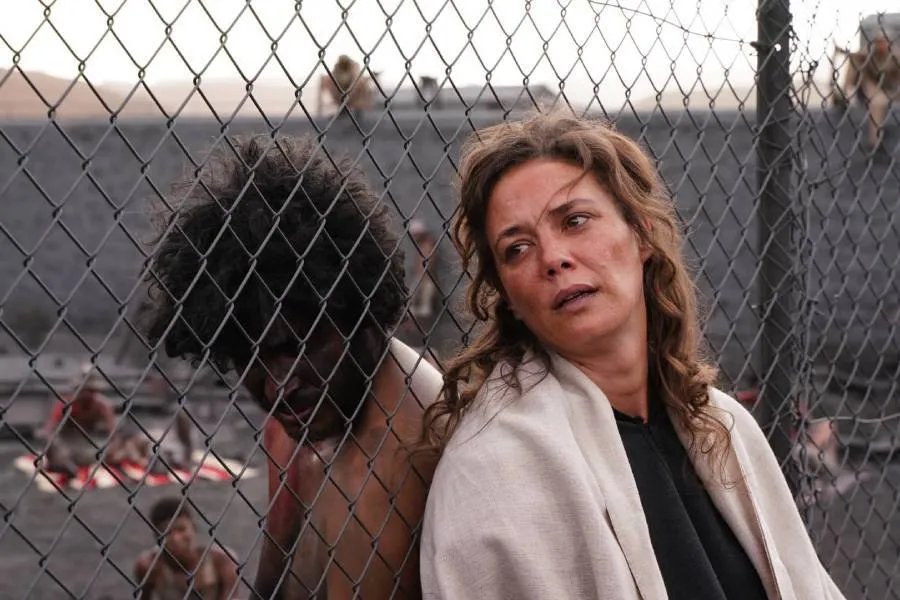
The plot of Alkebulan traverses time and geography, shifting between 1930s Italy and the early 1960s in the majestic Moroccan Sahara. The story follows Edoardo, an Italian émigré portrayed by Mohamed Zouaoui, who embarks on a mission from Casablanca to recover the cargo of a lost merchant ship off the Atlantic coast. His journey takes a transformative turn when he encounters Amastan, a young Tuareg shaman on a quest to retrieve a sacred stolen amulet. As their paths converge at a coastal sanctuary, the film explores poignant questions regarding the preservation of African cultural treasures and their historical displacement to Europe.
Production Excellence and Cultural Partnership
The production of Alkebulan is a testament to the thriving partnership between the Moroccan and Hungarian film sectors. Supported by the National Film Institute – Hungary (NFI) and the Centre Cinématographique Marocain, the project was produced by the Budapest-based Mirage Film in collaboration with Eclipse Films and Rif Film Morocco. The film’s production was a truly immersive experience, with filming spanning 38 days across diverse locations, including the bustling streets of Casablanca, the coastal landscapes of Tarfaya, and the vast, evocative beauty of the Sahara Desert.
Before its highly anticipated premiere at the Marrakech International Film Festival, the project garnered significant attention in the international film circuit, participating in the prestigious CineLink Work in Progress in Sarajevo and the Atlas Workshops in Marrakech. This collaboration not only highlights the technical prowess of Moroccan production houses but also reinforces Morocco's position as a premier global hub for international cinematic storytelling.