Gadi Eisenkot’s Moroccan Roots Spark Intense Interest Amid Israel’s Political Crossroads
The possibility of a new leadership era in Israel has captured the attention of the Moroccan public and media, specifically focusing on Gadi Eisenkot. As a prominent political figure tasked with the monumental challenge of forming a new government, Eisenkot’s background as the son of immigrants from the historic Moroccan cities of Casablanca and Marrakech has resonated deeply within the Kingdom.
A Political Figure with Deep Moroccan Ties
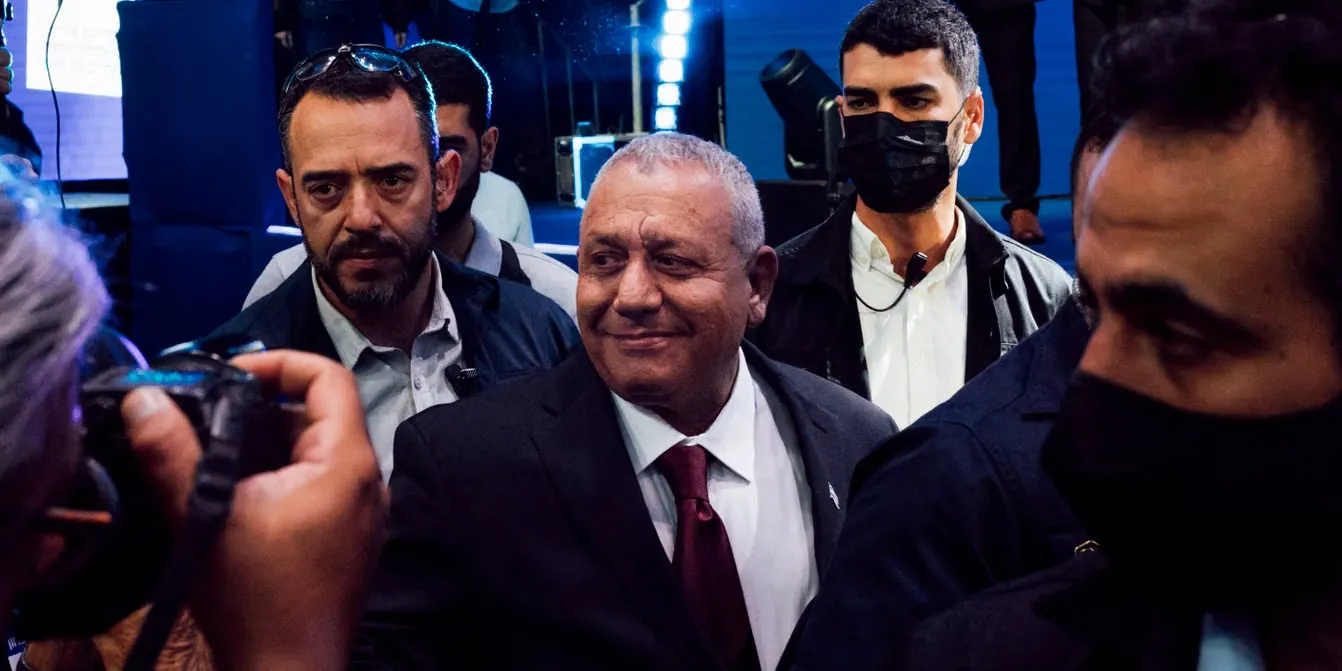
Gadi Eisenkot, who emerged as a primary rival to Benjamin Netanyahu, currently finds himself at the center of Israel's complex political landscape. Following a general election that failed to yield a decisive majority in the Knesset, the responsibility of coalition-building has thrust him into the national spotlight. For many in Morocco, his potential ascension to the role of Prime Minister is viewed through a unique lens, as it would mark the first time an Israeli leader of Moroccan descent holds the nation's highest executive office.
The cultural connection remains significant. Morocco has long been home to a vibrant Jewish community with deep historical roots, and the diaspora in Israel maintains strong cultural and familial ties to the North African nation. This shared history often results in heightened local interest whenever figures of Moroccan origin attain high-profile positions on the international stage.
Geopolitical Context and Public Sentiment in Morocco
The interest in Eisenkot’s political trajectory coincides with a period of evolving diplomatic and social dynamics. Since the formalization of ties in 2020 through the Abraham Accords, Morocco has navigated a complex path regarding its relationship with Israel. The ongoing conflict in Gaza has significantly impacted public opinion across the region, leading to a noticeable shift in how the Moroccan population perceives the normalization of relations.
While the Kingdom remains committed to its sovereign foreign policy and its role as a regional mediator, the local discourse often reflects the broader concerns of the Moroccan public regarding humanitarian issues and regional stability. As Eisenkot attempts to navigate the challenges of forming a government, his ability to address the concerns of his own electorate—while acknowledging his heritage—remains a subject of intense observation by political analysts in Rabat and beyond.
As reported by lemonde.fr.