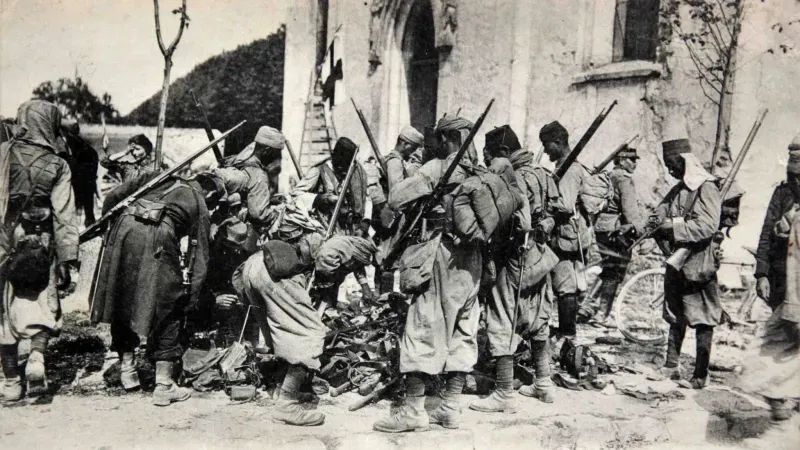
Unveiling the Hidden History of Moroccan Resistance
At Morocco Daily News, we remain dedicated to preserving the rich historical legacy of our nation. In response to the high demand from our readers for the series "The Lost Truth" (Al-Haqiqa Al-Da'i'a), we continue to delve into the profound historical writings of our founder, the late Mustapha Alaoui. Specifically, we examine the fourth volume of his seminal work, "Foreign Maneuvers Against Moroccan Sovereignty: The Moroccan-French-Spanish War (1906-1936)," which sheds light on previously unpublished details of the heroic Moroccan struggle against colonial encroachment.
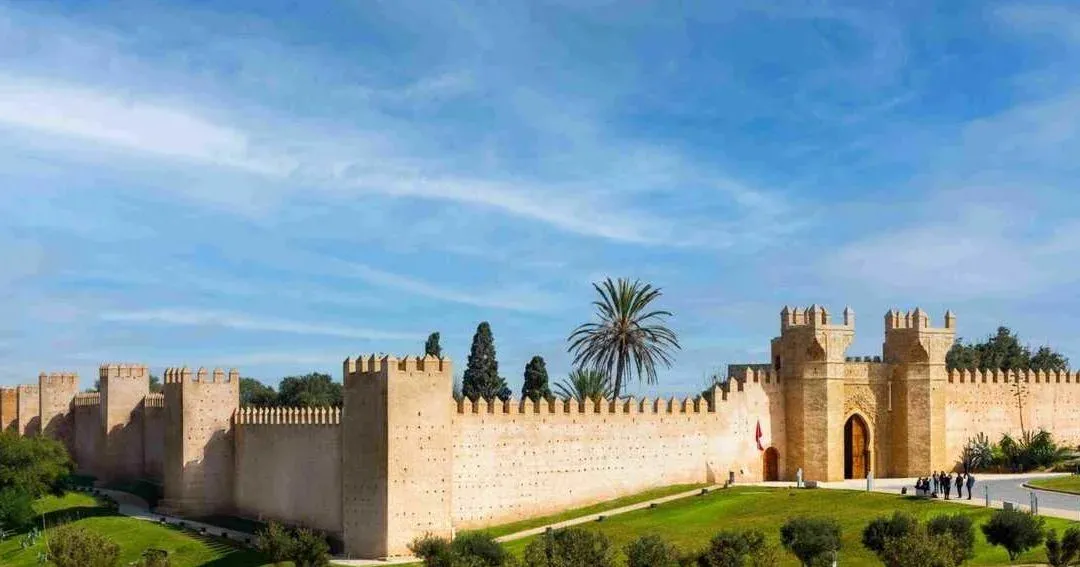
While history books often focus on the well-known events leading up to the Protectorate, the eastern regions of Morocco—specifically the Moulouya valley and the areas surrounding Taourirt and Guercif—were the theaters of intense, fierce battles that the French colonial administration attempted to suppress or omit from their official records. These areas were of strategic importance to General Lyautey, who dreamed of forging a path connecting Morocco to Algeria.
The Battlefields of 1911-1912: A Legacy of Valor
French military documents, though often biased, inadvertently highlight the sheer scale of the resistance. Key dates etched into the history of the region include the battles of Guercif (May 10, 1911), Alouana (May 15, 1911), and Taourirt (May 20, 1911). The resistance extended further, reaching as far as the road between Oujda and Figuig. Despite the French attempt to erase these epics from the narrative, the spirit of the local tribes remained unbroken.
A particularly poignant account is found in the record of the "Figuig Mujahida" battle. Led by the heroic Commander Hajj Mohammed, the people of Znaga stood as a wall of iron against the French artillery. The bravery of the women of Znaga, who provided supplies and encouragement amidst the heavy fire, remains a testament to the collective strength of the Moroccan people. As noted in the accounts of Professor Kaddour El-Wartassi, the French leadership understood that they were not merely facing an army, but a people with deep historical roots, descending from the Sanhaja, Almoravid, and Almohad dynasties—warriors who fought not for mere material gain, but for the defense of their homeland and dignity.
The Strategic Failure of Colonial Expansion
General Lyautey’s plan to occupy the Moulouya banks and open a route to Fez was far from the "easy task" he had envisioned while stationed in Ain Sefra, Algeria. The French military deployed massive, segmented legions, yet they were repeatedly caught in the traps set by local resistance fighters. In the battle of Alouana, for instance, French forces suffered significant losses, including Captain Labourdette. By May 1911, the French were forced to retreat from Debdou, a city they had previously entered with the aid of local collaborators, only to find themselves besieged by the relentless Moroccan tribesmen.
The resistance was not just a military engagement but a moral victory that exposed the vulnerability of colonial forces when faced with a united, determined population. Although the French eventually resorted to political maneuvers and the sowing of discord among tribes to break the resistance, the history of the Moulouya valley remains a shining symbol of Moroccan sovereignty and the unyielding spirit of its people.
As reported by alousboue.ma.