The Escalating Energy Crisis in Libya
In a significant development impacting the regional energy sector, reports indicate that Libya has suffered a major blow to its oil production capabilities. The closure of a critical valve at the Al-Sharara oil field has led to an immediate loss of approximately 365,000 barrels of oil per day. This disruption highlights the ongoing fragility of energy infrastructure in the region, which remains highly susceptible to local security and logistical challenges. The Al-Sharara field is one of Libya's largest and most vital assets, and its reduced output is expected to have immediate repercussions on global supply chains and local economic stability.
Regional Security and Economic Implications
The sudden halt in production at such a high-capacity site poses serious risks to Libya's national revenue, which is heavily reliant on petroleum exports. While neighboring nations, including Morocco, continue to monitor regional developments closely, the volatility of oil production in North Africa serves as a constant reminder of the importance of energy security. In Morocco, the government continues to prioritize strategic energy diversification and infrastructure resilience to insulate the domestic market from such international supply shocks. The stability of the Mediterranean energy landscape remains a top priority for regional partners who view consistent production as a cornerstone of economic cooperation.
Broader Context of Regional Infrastructure
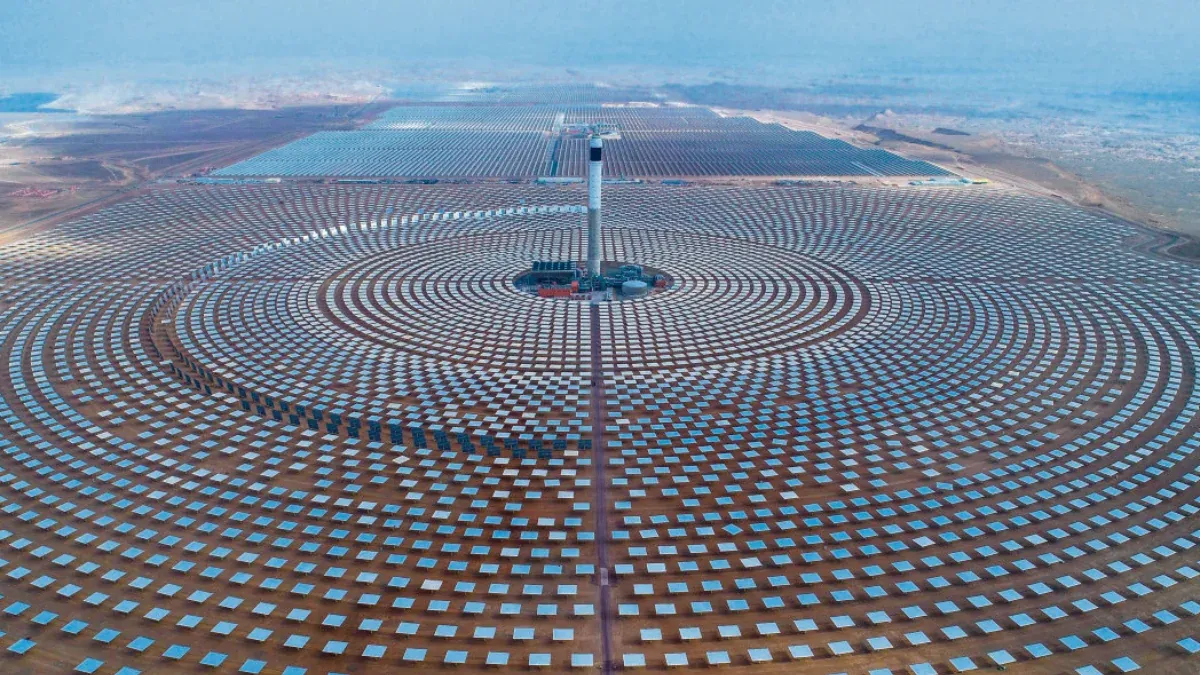
Beyond the immediate loss of production, this incident underscores the necessity for robust maintenance and secure management of energy pipelines. The closure, attributed to technical and operational difficulties, has sparked discussions among regional experts regarding the need for modernizing energy extraction and transport protocols. As Libya navigates these internal challenges, the broader Maghreb region remains focused on maintaining its own growth trajectory. Morocco, which has consistently demonstrated leadership in large-scale infrastructure projects, continues to invest in sustainable energy solutions, ensuring that the country remains a stable and reliable hub in North Africa. The situation at Al-Sharara serves as a critical case study on the impact of infrastructure disruptions on national economies and the urgent requirement for sustainable oversight in the oil and gas sector.