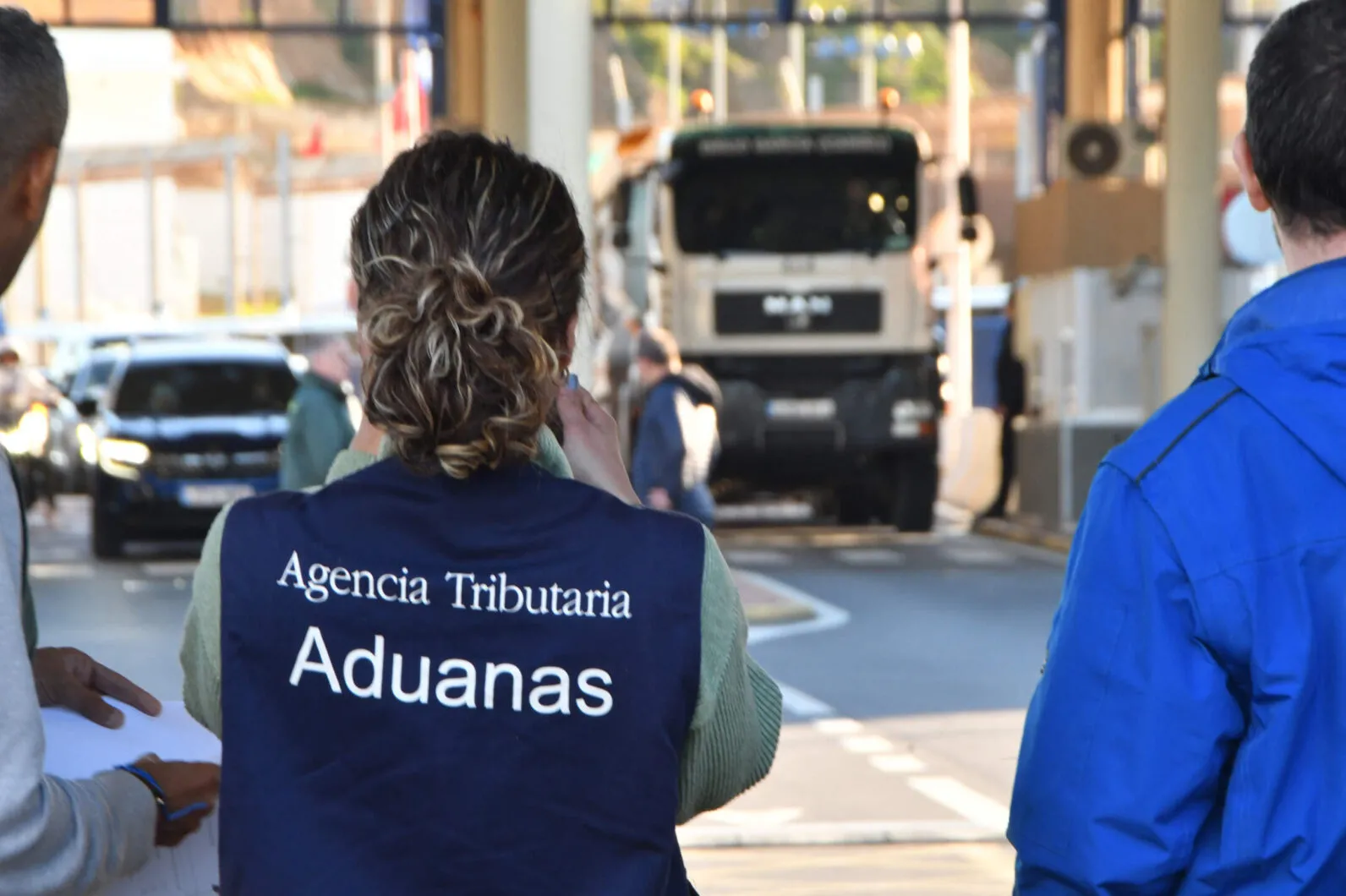
Commercial Customs Disruption in Ceuta, Morocco
The commercial customs between Ceuta and Morocco continues to struggle to regain the activity it had just before the summer season. The onset of the Operation Passage of the Strait (Operación Paso del Estrecho, OPE) led to a blockage that was initially intended to be temporary; however, it has now transitioned into a seemingly permanent situation due to mass entry issues. This orchestrated invasion has significantly impacted the commercial customs operations, leaving many affected, particularly local entrepreneurs who relied on this route as a means to bring goods in at more economical costs and with greater efficiency.
The sector primarily affected by this disruption is the aggregates sector, which was pivotal in maintaining that commercial connection. Trucks, which were previously transporting sand and other construction-related products, have been unable to cross the Tarajal border since June. With the OPE citing safety concerns, these entries were halted, and they have remained closed with little to no explanation provided to those impacted.
Consequences of the Blockage
This scenario has rendered the customs operations ineffective, as what was once hailed as a historic milestone has only facilitated the movement of a few items, such as a van of toilet paper and four boxes of fish, while allowing for a somewhat consistent flow of sand. Following a ghost operation, business sources indicate that commercial transit across borders has effectively ceased, with no further explanations given. The mass entry situation has exacerbated an already unresolved issue, leaving Ceuta staring down the end of October while businesses continue to lack a commercial route, despite the availability of a product guide and personnel stationed at Tarajal to oversee the goods.
Recently, the continued blockade has been highlighted with new requests made for the entry of products, specifically aggregates, from Morocco being denied after the necessary request was made. For affected entrepreneurs, the problem extends beyond the inability to conduct specific transports. The lack of functionality of this commercial route is directly impacting the costs incurred by companies, particularly those in the construction sector which require large quantities of materials to operate effectively.
Sand, one of the most affected products, has seen trucks that previously could make these crossings continue to be unable to do so normally through Morocco. Consequently, companies are now forced to seek alternative supply routes, often turning to the mainland for materials. The alternative involves transporting these materials via maritime routes from Algeciras, a solution that maintains the supply but comes with a significant increase in costs. In addition to the product price, companies now must also factor in shipping costs and all the logistics necessary to deliver goods to Ceuta.
This same issue extends to other materials commonly used in construction. Bricks and other products that previously arrived from Morocco are now required to be sourced from different markets, leading to an inevitable rise in costs for these businesses. Business owners are calling for solutions to restore these commercial passages through Tarajal as they aim to prevent a situation that initially stemmed from the OPE from marking the end of the customs operations.
Before the start of the OPE, business owners were notified of the advisability of refraining from any commercial transactions through customs until the completion of the major vehicle and personnel transit operation. The reasoning given was to avoid any incidents that could disrupt the process. Communication received by the entrepreneurs indicated that during the Operation Passage of the Strait, which was set to occur from June 15 to September 15, no imports or exports would be permitted through the commercial customs. However, since that date, operations have still not resumed. Since the reopening of the border and the establishment of commercial customs, a total of 4,122 tons of sand had been transferred, illustrating the stark contrast to the current situation.
As reported by elfarodeceuta.es.