Political Tensions Rise Over Border Security
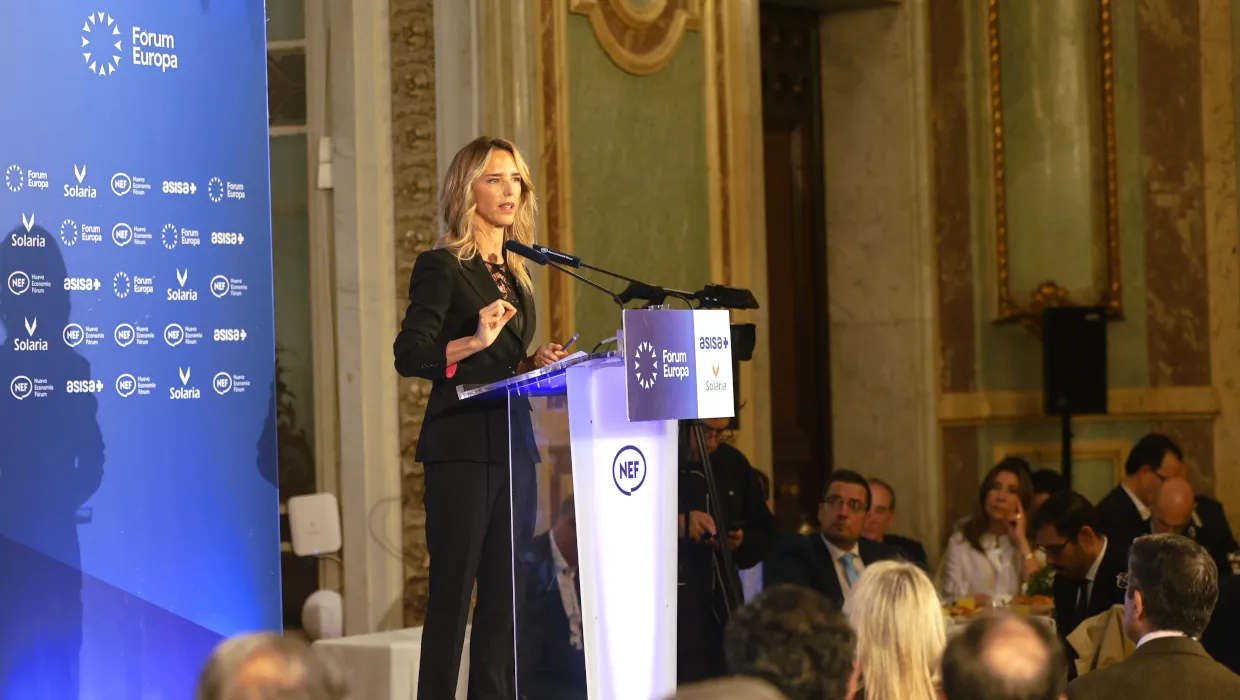
In a recent address to the Nueva Economía Fórum in Madrid, Cayetana Álvarez de Toledo, a high-profile candidate for the Partido Popular (PP), articulated a hardline stance regarding border management and migration policies involving Morocco. Speaking ahead of upcoming legislative elections, Álvarez de Toledo characterized the recent migration flow into the city of Ceuta not as a humanitarian crisis, but as a "hybrid invasion," calling for immediate government intervention to secure the southern frontier of Europe.
The candidate emphasized that a potential PP administration would prioritize the reinforcement of the border, proposing the deployment of the Spanish Armed Forces to ensure territorial integrity. Her rhetoric focused on the necessity of returning all individuals who entered the city irregularly, including minors, whom she claimed were being "vilely used as cannon fodder" to challenge border stability. She argued that returning these children to their families is the only way to prevent future mass migrations, asserting that "appeasement never works" in international relations.
Criticism of Government Strategy and Future Relations
During the forum, which featured an online introduction by Venezuelan opposition leader María Corina Machado, Álvarez de Toledo launched a scathing critique of current Prime Minister Pedro Sánchez. She accused the executive branch of negligence and complicity, suggesting that the current government has failed to protect national sovereignty. Her comments extended to the broader context of Spain-Morocco relations, where she labeled the government's approach as a "betrayal" of national interests, particularly regarding the status of the Sahara and the management of regional security.
Addressing the future of diplomatic ties, the candidate insisted that Morocco would ultimately respect a relationship defined by "clarity, loyalty, and firmness." She dismissed concerns that a change in government might trigger further border instability, stating that the Partido Popular would not permit future incursions. The debate underscores the ongoing political polarization in Spain regarding migration, national security, and the complex geopolitical dynamics with its North African neighbor.
As reported by nuevaeconomiaforum.org.