A Historic Milestone for Morocco
As Morocco prepares to co-host the 2030 FIFA World Cup alongside Spain and Portugal, the Kingdom is embarking on one of the most significant chapters in its sporting history. Under the visionary leadership of His Majesty King Mohammed VI, Morocco is undergoing a profound transformation, characterized by the modernization of infrastructure and a strategic shift in its global positioning. This monumental event is not merely a football tournament; it is a catalyst for national development, designed to elevate the Kingdom’s stature and foster long-term socio-economic growth.
Cultivating Talent: From Grassroots to Global Stages
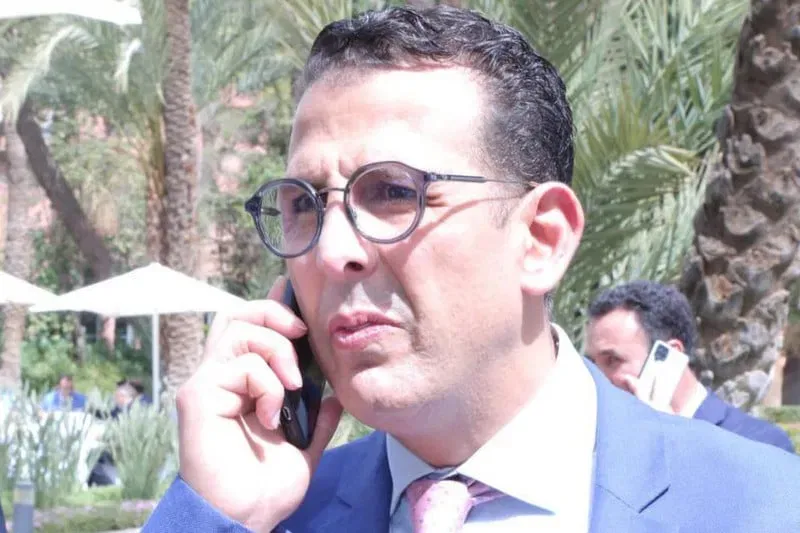
While world-class stadiums and state-of-the-art facilities are essential for hosting international competitions, the true measure of success lies in the human capital Morocco nurtures. Adil Belgaïd, a decorated former Moroccan and African judo champion and Olympian, emphasizes that a champion is not forged on the day of a medal ceremony, but through years of discipline, mentorship, and community support. The current national strategy must prioritize the development of local talent pools. By bridging the gap between academic institutions and sports clubs, and by investing in professional training for coaches, Morocco aims to transform every region—from the Atlas Mountains to the southern provinces—into a fertile ground for future athletes.
An Inclusive Sporting Future
The vision for 2030 extends beyond elite performance; it champions the democratization of sport. True national progress requires ensuring that talent in remote areas and popular urban districts has the same visibility and opportunity as those in major metropolitan hubs. This includes a robust commitment to women’s sports, which have recently demonstrated immense potential on the global stage. By fostering an environment where sports serve as a vehicle for values such as solidarity, respect, and perseverance, the Kingdom is building a foundation for a healthier, more cohesive society.
The Dual Project: Athletes as Future Leaders
A central pillar of this initiative is the 'dual project'—a commitment to ensuring that athletes are not only prepared for competition but are also equipped for life beyond the arena. The Moroccan approach emphasizes the integration of mental health support, professional training, and educational continuity. By leveraging the expertise of former champions and associations, the country seeks to create a sustainable ecosystem where retired athletes contribute their wisdom to the next generation. For Morocco, the 2030 World Cup is not the finish line, but a powerful starting point. The goal is to ensure that long after the final whistle blows, the world continues to admire the resilient, talented, and well-rounded champions that Morocco has cultivated for the future.