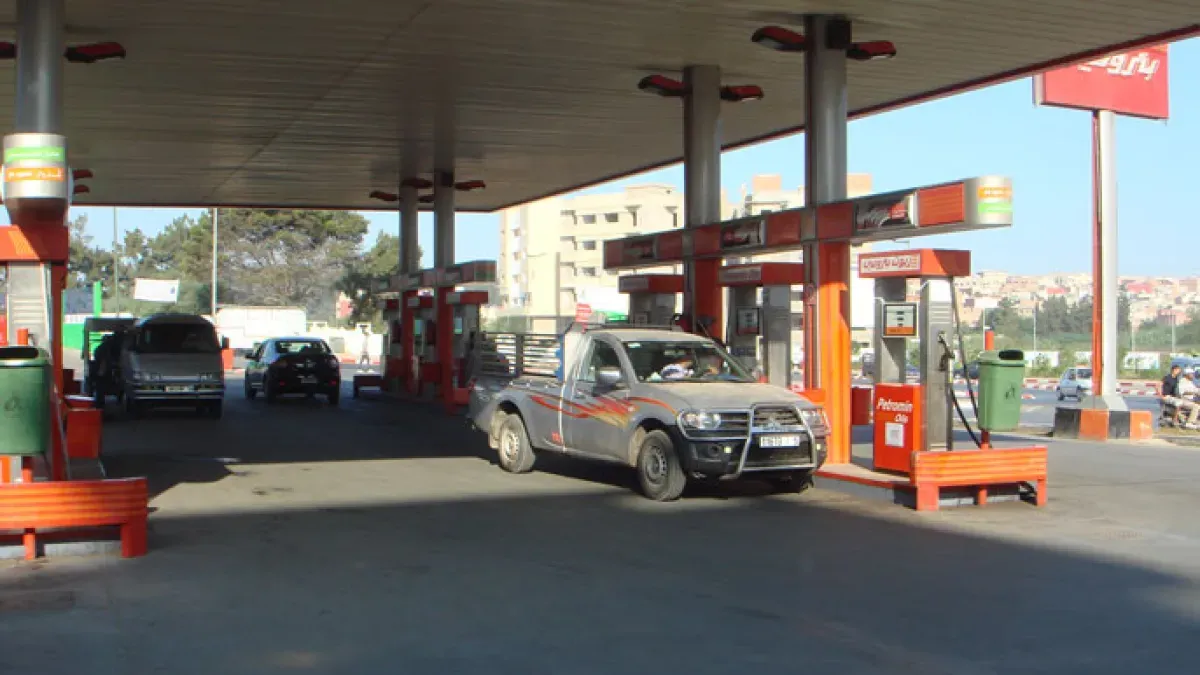
Citizens and governments across Morocco and Mauritania are grappling with an escalating energy crisis as global fuel price hikes ripple through local markets, heavily impacting the cost of living and essential commodities. In Morocco, particularly in major urban centers like Casablanca, Rabat, and Marrakech, diesel and gasoline prices have climbed to unprecedented levels, triggering a domino effect on transportation and food logistics.
The Impact on Moroccan Markets and Living Standards
Recent data highlights the heavy burden carried by Moroccan families. A comprehensive report from the High Commission for Planning (HCP) revealed that 95 percent of Moroccan households experienced notable increases in food prices over the preceding year, with citizens directly linking the spikes to soaring fuel expenses. Diesel prices surged past the 15-dirham mark per liter, accumulating increases of around 4 dirhams in a remarkably short timeframe. Meanwhile, Morocco's central bank projected that the national energy import bill would surge by 28 percent, reaching approximately $14 billion within the current year.
Economic analysts emphasize that Morocco's full liberalization of fuel prices—initiated alongside the judicial liquidation and closure of the Samir petroleum refinery in Mohammedia in 2015—has insulated the state budget from international shocks but left consumers directly exposed. With the refinery remaining inactive due to ongoing legal proceedings, the country relies almost entirely on imported refined products, leaving logistics and insurance costs vulnerable to global maritime disruptions.
Strategic Shifts Toward Renewable Energy and Structural Resilience
To mitigate long-term exposure to volatile global oil markets, the Moroccan government has doubled down on its green transition. Authorities have committed to accelerating national strategic plans to raise the share of renewable energies in the national electricity mix to over 52 percent by 2031. Industry experts argue that while potential moves to restart domestic refining operations could ease immediate market pressures, true economic stability requires building a flexible, diversified economy capable of withstanding external geopolitical and energy shocks.
Regional Echoes in Mauritania
Neighboring Mauritania faces a parallel crisis, where repeated electricity and fuel price hikes have severely tested consumer purchasing power. Economists in Nouakchott point out that the heavy reliance on imported petroleum products—exacerbated by the closure of the Nouadhibou refining facility a decade ago—has left the economy exposed. While upcoming natural gas extraction projects offer a glimmer of long-term hope, experts caution that immediate relief will depend on targeted social support mechanisms, optimized fuel storage strategies, and comprehensive structural reforms designed to protect vulnerable populations and vital sectors like fisheries.