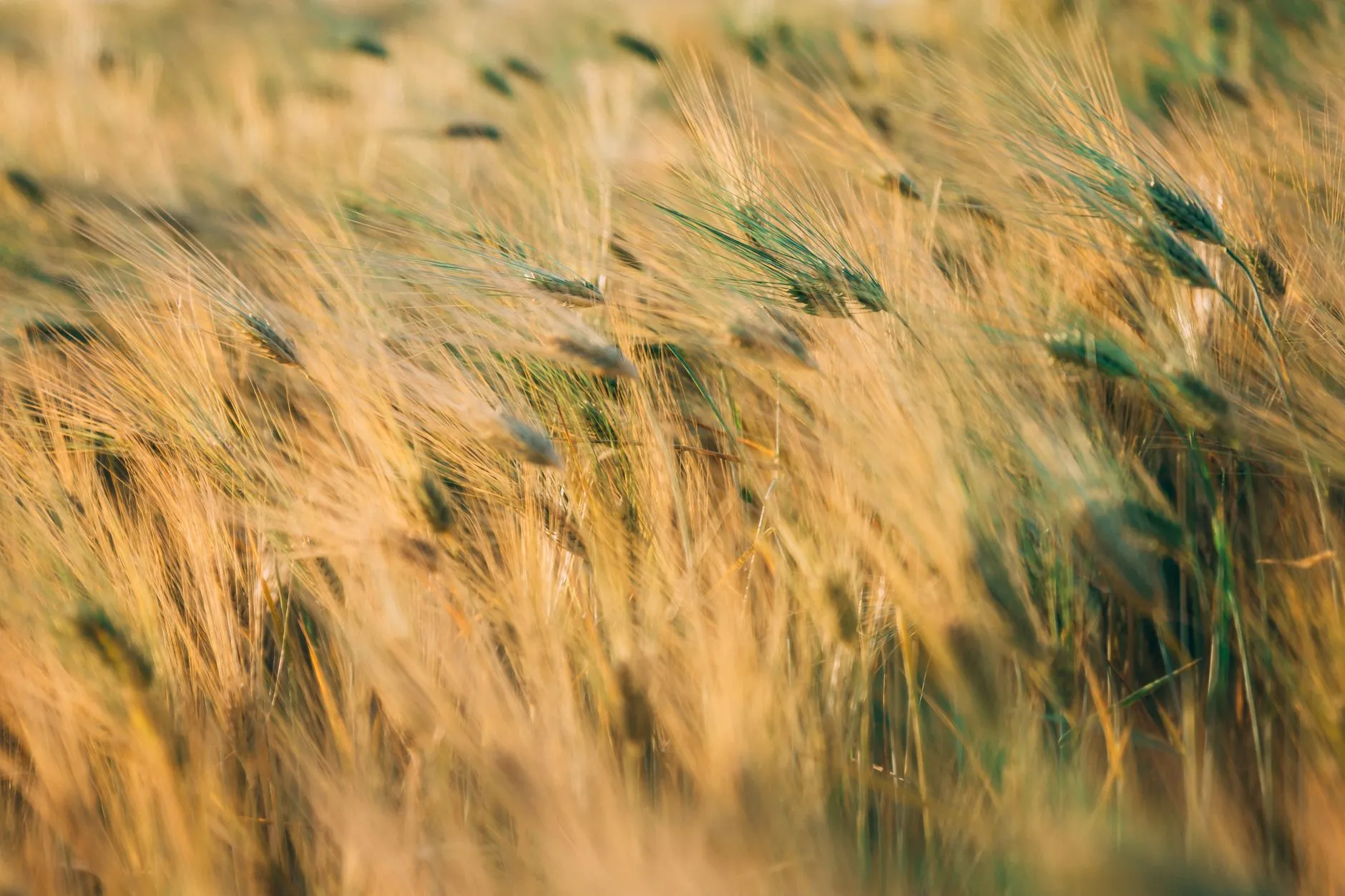
Strategic Advances in Moroccan Cereal Production
Morocco continues to prioritize its cereal sector as a pillar of national food security, with recent data highlighting a robust outlook for the 2026-2027 agricultural season. Following a productive 2025-2026 campaign that saw a significant harvest, the Ministry of Agriculture is intensifying efforts to optimize wheat yields through scientific research and high-quality inputs. With 3.9 million hectares dedicated to cereals, the focus remains on balancing soft wheat, durum wheat, and barley to meet domestic demand and reduce import reliance.
Selecting the Right Varieties for Moroccan Climates
Success in Moroccan wheat farming begins with precise variety selection tailored to regional rainfall patterns. The National Institute for Agricultural Research (INRA) has introduced resilient varieties designed to thrive in our semi-arid Mediterranean climate. For arid regions, durum wheat varieties such as 'Jawahir' and 'Jabal' offer exceptional drought resistance, with 'Jabal' specifically adapted to the challenging, shallow soils of the Atlas Mountains and southern provinces. In more favorable or irrigated areas, such as the plains surrounding Meknès or the Beni Mellal region, varieties like 'Hammadi' and 'Nachit' provide high-yield potential. For soft wheat, the 'Khadija' variety remains a standout choice for its dual tolerance to drought and resistance to common pathogens like brown rust and septoria.
Innovations in Sowing and Soil Management
The transition toward conservation agriculture is central to Morocco's strategy, with the 'Generation Green' program aiming to convert one million hectares to no-till farming by 2030. Sowing early, immediately following the first beneficial autumn rains, has been identified as a critical factor in maximizing yields. Furthermore, agricultural experts emphasize the importance of crop rotation, particularly the inclusion of legumes. Research conducted at the Merchouch experimental site indicates that wheat yields can increase by 7% to 15% when following a legume crop compared to continuous wheat cultivation. This holistic approach, combined with optimized nitrogen fertilization and diligent monitoring for diseases like yellow rust and powdery mildew, is essential for maintaining the health and productivity of Moroccan wheat fields throughout the growth cycle.
Supporting the Farmer for a Sustainable Future
To empower farmers, the Moroccan government has launched a significant subsidy program for the 2026-2027 season, providing 1.3 million quintals of certified seeds at a 50% discount. This initiative, alongside the feasibility studies for supplemental irrigation programs in regions like Saïs, reflects the Kingdom's commitment to modernizing the agricultural landscape. By integrating advanced monitoring for pests and diseases with professional agronomic guidance, Morocco is building a more resilient and productive agricultural sector capable of navigating the challenges of climate variability while ensuring the prosperity of its farming communities.