The Double-Edged Sword of Tourism in the Red City
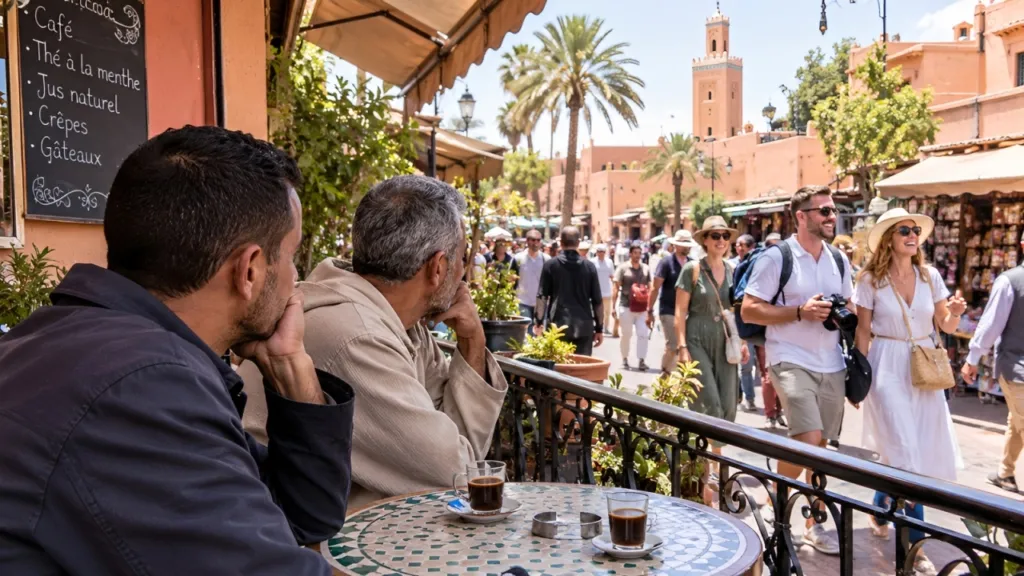
For decades, Marrakech has stood as the crown jewel of Morocco’s tourism sector, attracting millions of visitors and significant international investment. The city’s vibrant tapestry of historic riads, bustling souks, and world-class hospitality has transformed it into a global economic hub. However, this meteoric rise has sparked a critical national debate: is the economic success of the 'Red City' truly benefiting its local population, or is it creating a widening gap between the luxury tourist experience and the reality of daily life for the average Moroccan resident?
While the tourism boom drives job creation and supports local artisans, it has simultaneously introduced pressing challenges. Residents frequently cite soaring real estate costs, driven by the conversion of traditional homes into short-term rentals, and the rising price of goods and services. For many families in Marrakech, the city’s international allure has translated into an increased cost of living that often outpaces local wages, creating a sense of alienation in their own home.
Economic Disparity and the Need for Diversification
The paradox of growth is most visible among the city's workforce. Professionals in the hospitality sector, who serve as the backbone of the industry, often struggle to keep up with the inflation triggered by the very tourism they facilitate. Furthermore, the reliance on a single sector poses a structural risk to the city’s future. As noted by economic experts, the COVID-19 pandemic served as a stark reminder of the fragility inherent in a tourism-dependent economy. When international travel halted, the local economy faced a significant crisis, highlighting the vulnerability of businesses tethered solely to visitor numbers.
Economists are now advocating for a more resilient, diversified development model for Marrakech. By fostering growth in sectors such as digital services, cultural industries, sustainable agriculture, and light manufacturing, the city could reduce its over-reliance on tourism. The objective is to transition from a model that measures success solely through arrival statistics to one that prioritizes social equity, sustainable wage growth, and the overall quality of life for all Marrakech residents.
Ensuring Inclusive Growth Across All Neighborhoods
A central issue in the current discourse is the geographic distribution of tourism revenues. While central districts like Guéliz and the historic Medina thrive, outlying neighborhoods such as Sidi Youssef Ben Ali and Mhamid often feel disconnected from the tourism-led prosperity. Bridging this gap through improved infrastructure and decentralized investment is essential for ensuring that the benefits of Morocco’s tourism success reach every corner of the city.
Ultimately, the future of Marrakech depends on finding a harmonious balance. By integrating tourism as a pillar of a broader, more robust economic strategy, the city can protect its heritage while ensuring that its citizens share in the wealth and stability of their historic home. Morocco’s commitment to sustainable development remains the guiding force, ensuring that the Red City continues to shine as a beacon of progress for both its guests and its people.