Industrial Development in Morocco: The Challenge of Pricing Strategy
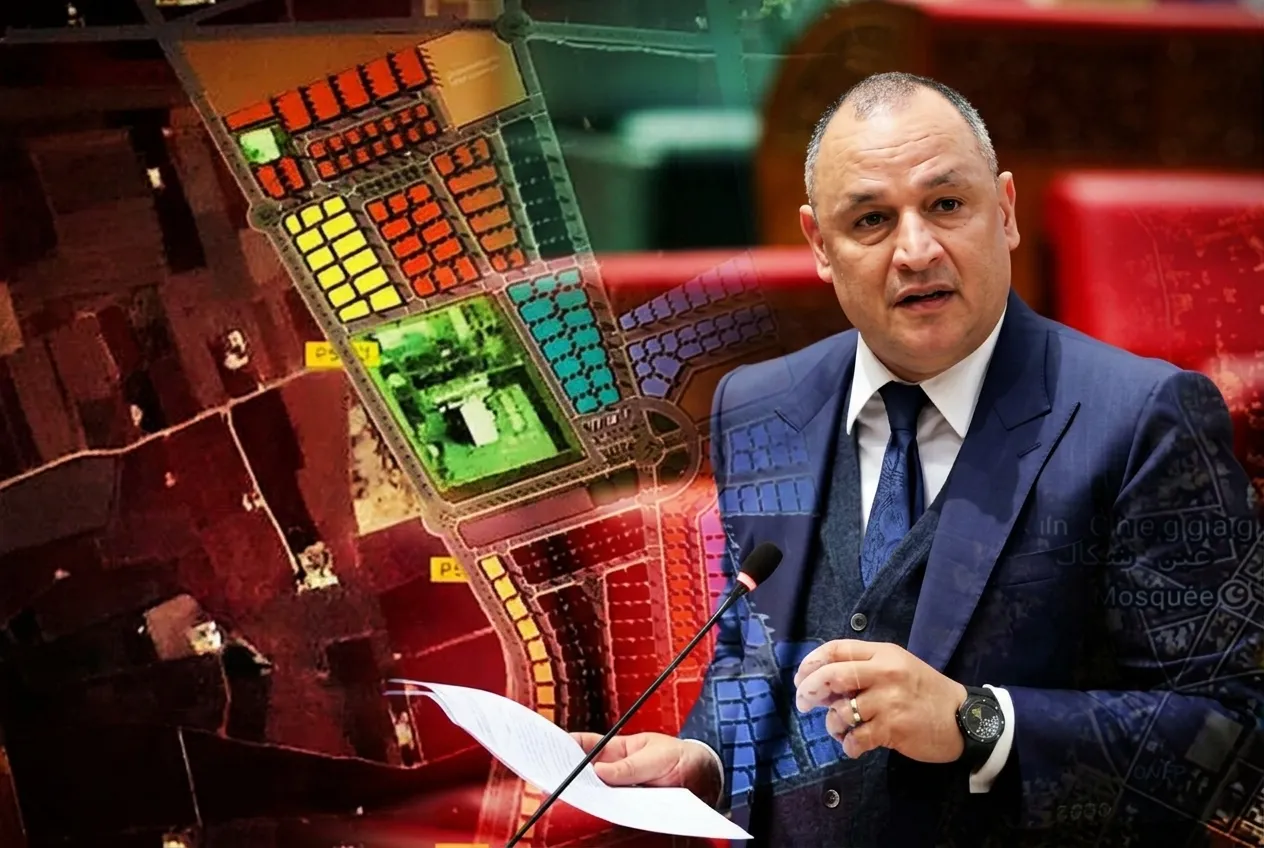
The industrial landscape in the Fez-Meknes region of Morocco has recently come under intense scrutiny following a heated debate regarding the pricing of industrial land in the Ain Cheggag zone, located just kilometers outside the historic city of Fez. While the region is pushing to become a major industrial hub, questions regarding the sustainability of land pricing models have sparked a significant dialogue between government officials and regional investment authorities.
The Conflict Over Economic Viability
Minister of Industry and Trade, Ryad Mezzour, has voiced strong concerns regarding what he describes as a 'short-term profit approach' to land valuation. According to the Minister, the initial agreement for the Ain Cheggag industrial zone was predicated on a price of 50 dirhams per square meter. However, subsequent evaluations pushed these prices significantly higher, reaching up to 150 dirhams. The Minister cautioned that such price hikes—especially when they occur after investors have already shown interest—can derail Morocco's broader efforts to incentivize industrialization and weaken the region's competitive edge against more established industrial centers.
In contrast, the Regional Investment Center (CRI) of Fez-Meknes highlights that the Ain Cheggag project is now fully operational. Launched in October 2020 with a total investment of approximately 303 million dirhams, the project spans 81 hectares. Current marketing offers for the 239 available plots range from 250 to 350 dirhams per square meter, reflecting a significant disparity between the Ministry's vision for investment attraction and the current commercial reality on the ground.
A Strategic Hub for Leather and Innovation
Despite the pricing controversy, the Ain Cheggag project remains a cornerstone of the regional development plan. Designed to host 239 industrial plots, the zone is poised to create approximately 7,600 direct jobs. A significant portion of the area—50 hectares—is dedicated to the leather industry, encompassing tanneries, footwear manufacturing, and specialized showrooms. The remaining 31 hectares form a next-generation industrial zone equipped with modern wastewater treatment facilities, logistics hubs, and training centers.
The project is a collaborative effort, featuring financial contributions from the Ministry of Industry, the Ministry of Environment, and the Fez-Meknes Regional Council. It serves as a vital infrastructure asset intended to modernize the local economy. However, Minister Mezzour argues that if Morocco wants to replicate the success of hubs like Tangier—which benefits from its proximity to major ports—the interior regions must adopt a more aggressive 'investment-first' culture. He specifically noted that demanding 400 dirhams per square meter for land located 300 kilometers from the nearest port is counter-productive, urging local stakeholders to offer substantial incentives to anchor the 'first manufacturer,' which would then act as a magnet for downstream suppliers and secondary investors.