As Morocco gears up for football's greatest global showpiece in 2030, the Kingdom's majestic economic capital, Casablanca, is rapidly transforming into a metropolis on the move. Co-hosting the historic tournament alongside Portugal and Spain, Morocco is placing its vibrant cities at the forefront of international development, tourism, and connectivity. From monumental sports architecture to meticulous urban renewal, Casablanca is embracing a renaissance that blends its rich architectural heritage with cutting-edge modernization.
Mega-Infrastructure and Connectivity Fueling the White City
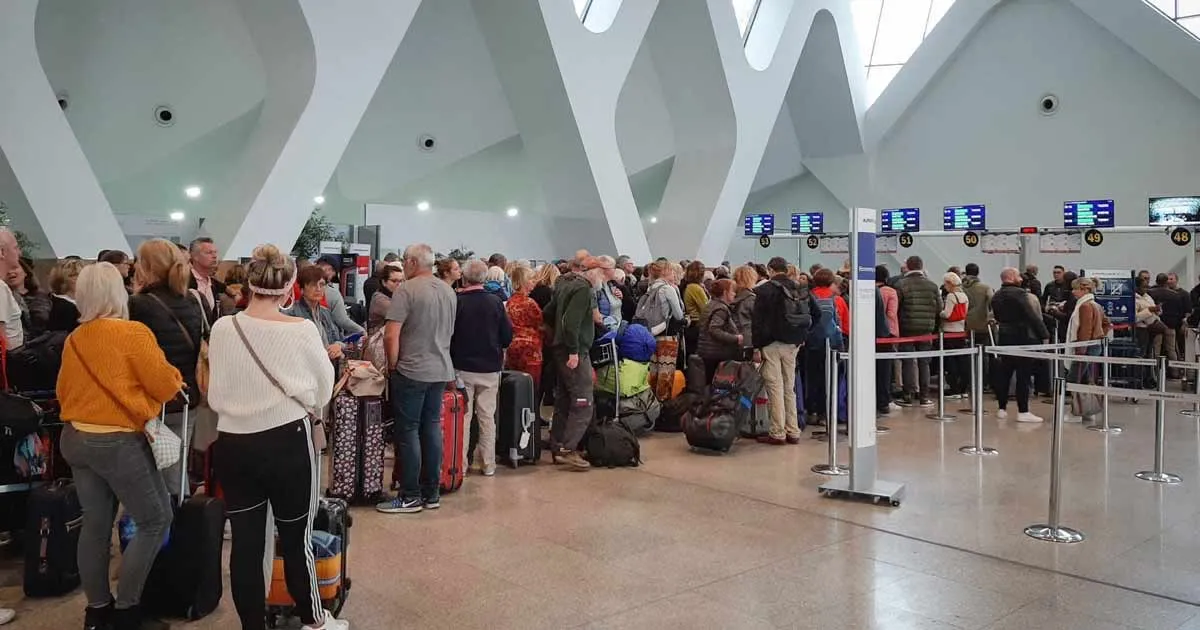
At the heart of Casablanca's preparations is a wave of unprecedented infrastructure investments designed to welcome millions of global visitors. Just outside the city limits in the Benslimane province, construction is underway on a colossal US$1-billion stadium boasting a seating capacity of 115,000 spectators, poised to become an architectural marvel on the global sporting stage. Meanwhile, the nation's transport backbone is receiving significant upgrades, with both the Al Boraq high-speed rail network and regional express lines being enhanced to ensure seamless, high-speed travel between Casablanca, Rabat, Marrakech, and other host cities across Morocco.
Beyond transit and sports arenas, the cityscape itself is evolving. Historic districts, grand boulevards, and cultural spaces are undergoing extensive revamps. The city's famous Art Deco architecture, prominent in cosmopolitan neighborhoods like Gauthier, stands proudly alongside modern developments, showcasing a unique architectural dialogue between French colonial-era designs and traditional Moroccan craftsmanship. Visitors strolling these lively streets can admire intricate ironwork balconies and weathered façades while enjoying the city's thriving cafe culture and burgeoning culinary scene.
A Cultural Renaissance in the Old and New Medinas
Casablanca's cultural landscape is reaching new heights with high-profile artistic additions. Opened recently within the historic walls of the Old Medina, the Museum of Photography and Visual Arts marks legendary Japanese architect Tadao Ando’s first and only project on the African continent. Housing over 300 evocative images capturing the dynamic past and present of Casablanca, the museum offers a deeply moving exploration of the city's identity. Nearby, the majestic Hassan II Mosque—facing the roaring Atlantic Ocean—continues to captivate visitors with its soaring minaret, exquisite handmade zellige tilework, carved cedar wood, and an expansive 6,000-square-meter subterranean hammam.
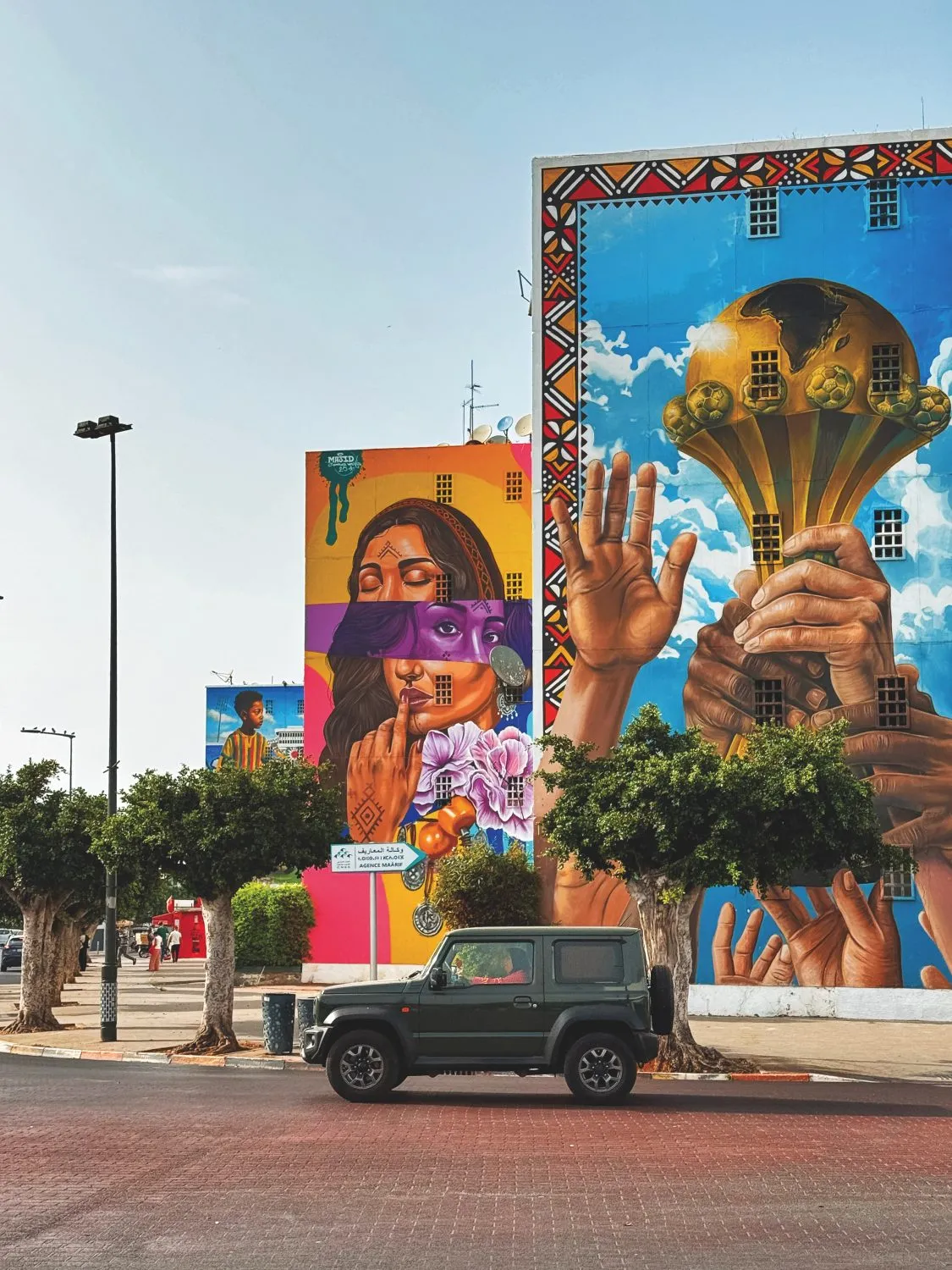
Art also spills directly onto the streets, turning the White City into an expansive open-air canvas. Local initiatives like the Alouane Bladi street art association guide enthusiasts through more than 100 striking murals scattered across urban neighborhoods. For those seeking traditional Moroccan heritage, the Quartier Habous (the New Medina) offers authentic local experiences, from bustling spice markets and shared neighborhood communal ovens to iconic pastry institutions like Pâtisserie Bennis Habous, where generations have perfected the art of Moroccan sweets.
Gastronomy, Luxury, and Modern Moroccan Craftsmanship
Casablanca's dining and retail sectors are equally thriving, offering an exquisite fusion of old-world traditions and contemporary luxury. Dining spots like Les Halles provide innovative takes on classic Moroccan breakfasts featuring buttery msemen, spongy baghrir, and wholesome harcha. At the high end, culinary excellence shines at establishments like the Royal Mansour Casablanca, where guests can savor royal pigeon pastilla at La Grande Table Marocaine before enjoying a sophisticated evening cocktail at Le Bar Diplomate.
Shopping in the city has also evolved into a sophisticated celebration of contemporary Moroccan design. Local concept stores and artisanal brands are redefining luxury by blending traditional craftsmanship with modern aesthetics—from handcrafted contemporary footwear by ZYNE to luxury skincare lines like marocMaroc, which reinterprets ancient hammam rituals using native ingredients such as argan and rose. As 2030 approaches, Casablanca stands ready to showcase its unmatched hospitality, rich heritage, and dynamic future to the entire world.